Optical vs. Mechanical Filament Runout Sensors: How They Detect Jamming
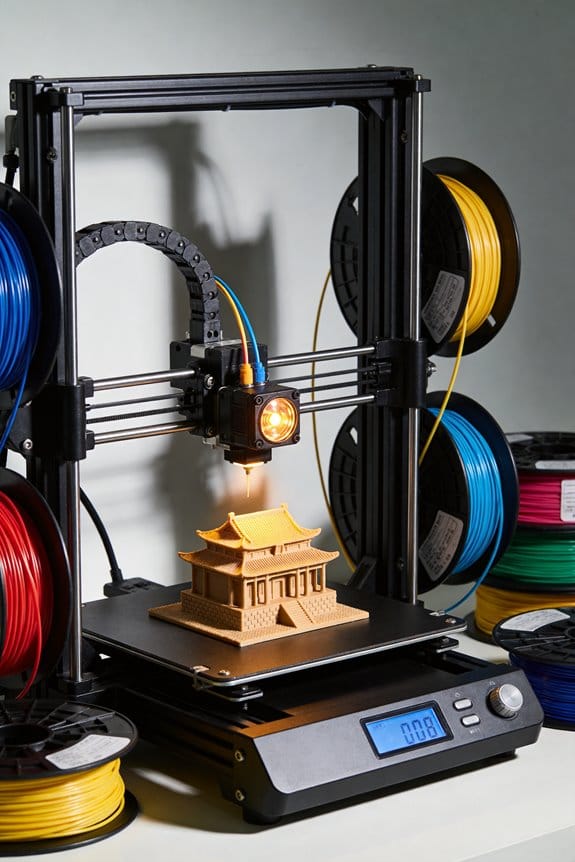
Optical vs. mechanical filament runout sensors: learn which catches jams earlier and which can false-trigger—get setup tips and tweak firmware now.

Optical vs. mechanical filament runout sensors: learn which catches jams earlier and which can false-trigger—get setup tips and tweak firmware now.
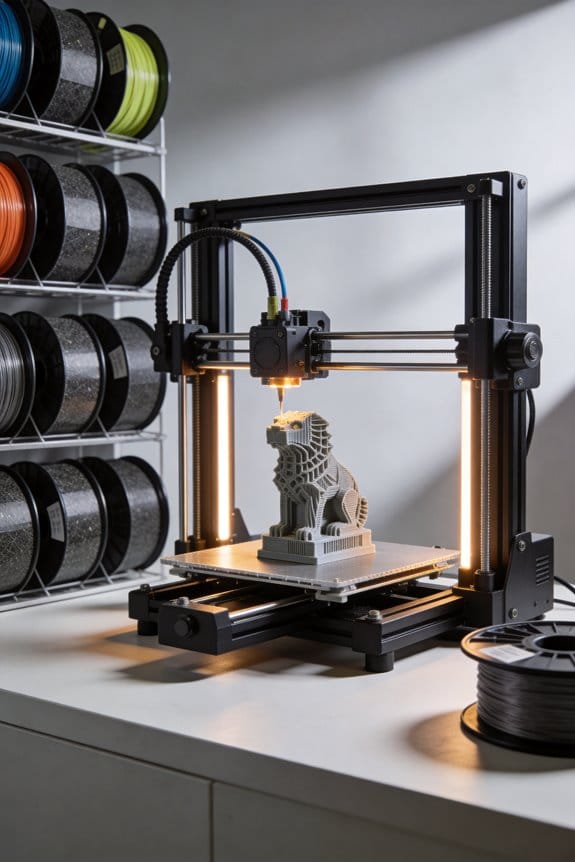
Graphene-doped filaments boost conductivity, heat transfer, and stiffness in 3D prints—learn print tips, trade-offs, and testing. Get started now.
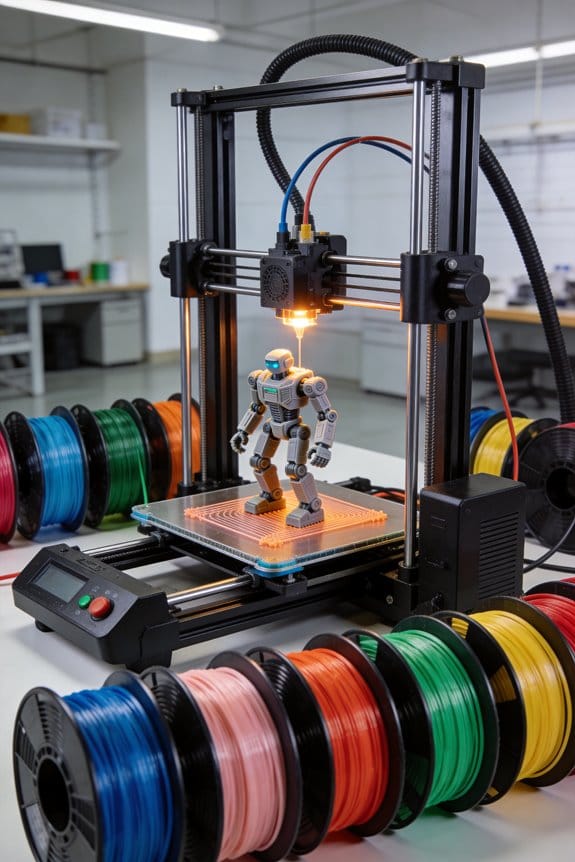
Print-in-place articulations: learn ideal micro-clearances (PLA/PETG ~0.30 mm, TPU +0.10–0.15 mm), orientation tips, fixes, and test steps to perfect prints—start tuning now.
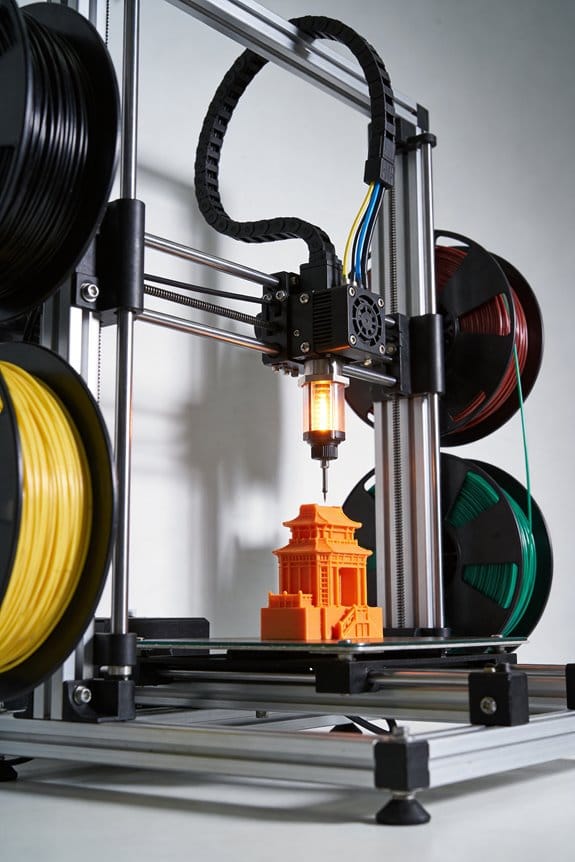
Bi-metallic heatbreak pairs copper melt and titanium/stainless throat to stop heat creep, reduce oozing and clogs for high-temp filaments. Learn how.
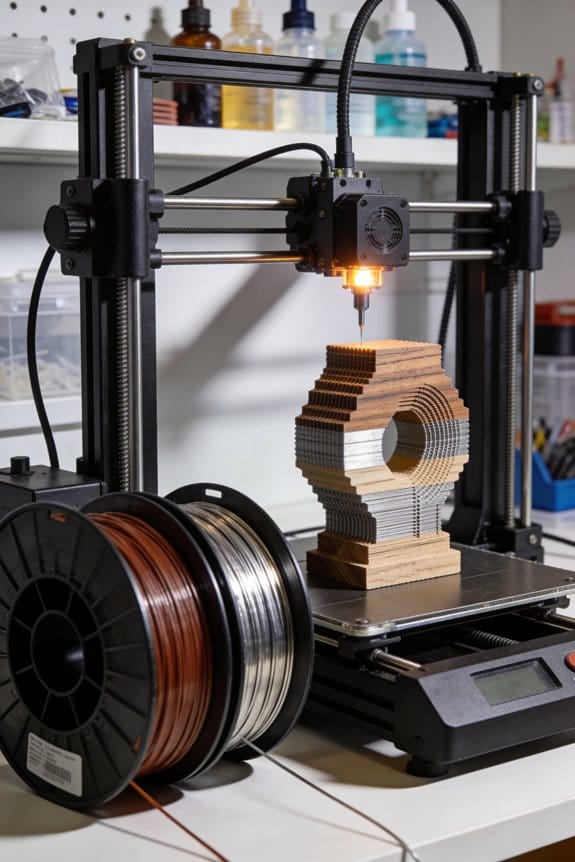
Wood vs metal-filled filament: learn how each looks, prints, and holds up so your parts look great and stay safe—get straightforward tips and start testing.
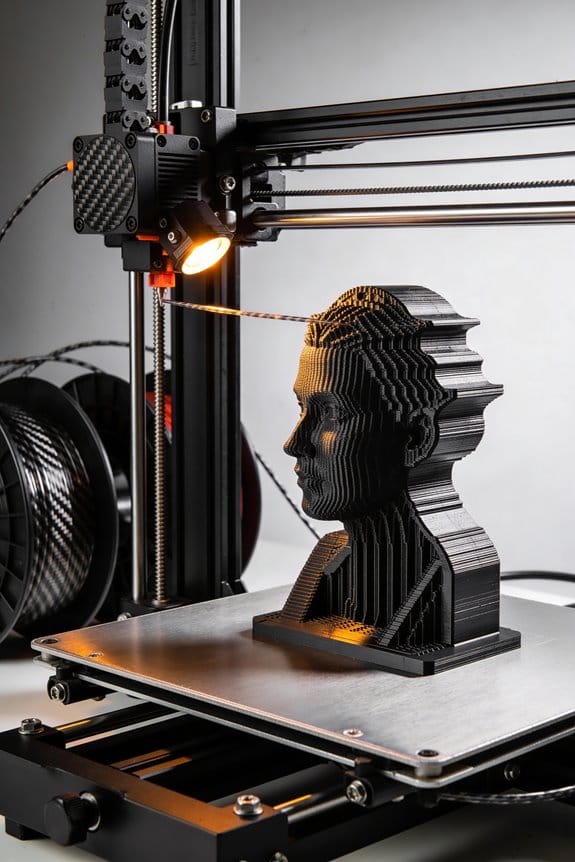
Carbon-fiber filaments boost stiffness and cut weight for load-bearing parts, but wear nozzles—use hardened tips. Learn setup and maintenance now.
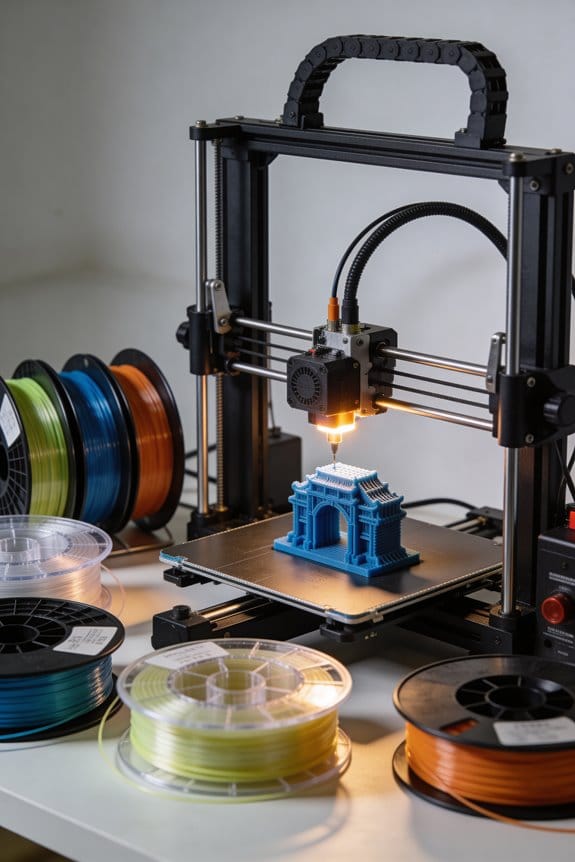
Recycled PETG: turn discarded bottles into near-virgin 3D-print filament — durable, cost-saving, but dry before printing. Learn how to get started.
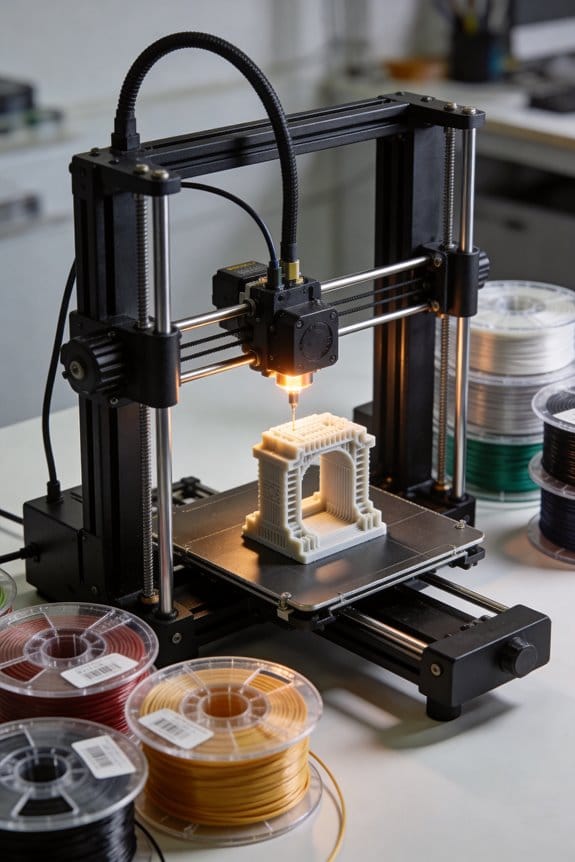
PETG outperforms ABS for functional parts with less warping and tougher layers—easy to print and forgiving. Learn quick tuning tips and trade-offs.