Accelerating Microfluidic Device Prototyping With High-Resolution SLA
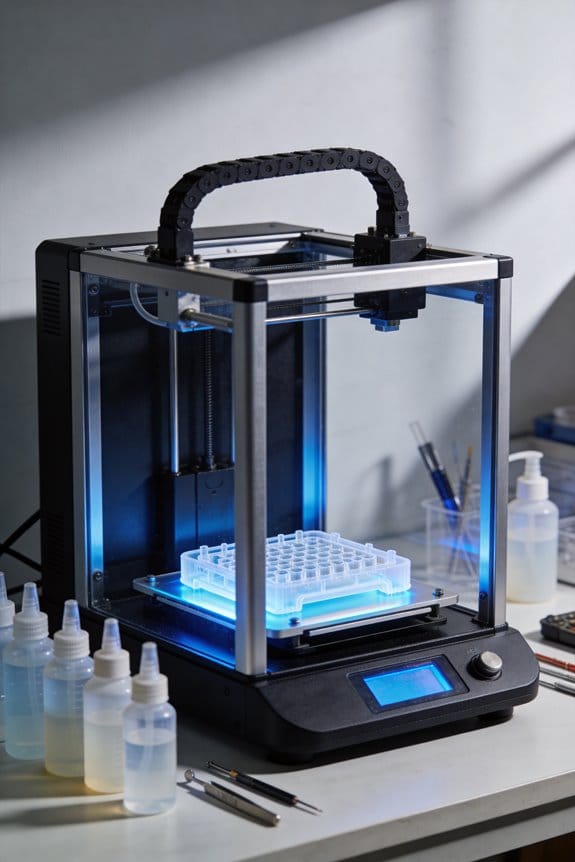
High-resolution SLA speeds microfluidic prototyping to under 3 hours for small chips—print, wash, and iterate fast. Try it on your next design.

High-resolution SLA speeds microfluidic prototyping to under 3 hours for small chips—print, wash, and iterate fast. Try it on your next design.
Resin toxicity risks explained early: learn ventilation, local capture, and PPE to protect your lungs and brain—get practical setup tips now.
Understanding the photochemistry of UV resin polymerization: learn how initiators, oxygen, and formulation affect curing and get practical tips—start testing now.

Anti-aliasing in resin slicers smooths layer lines for cleaner prints but can change fit—test settings per resin/printer, then calibrate and try it.
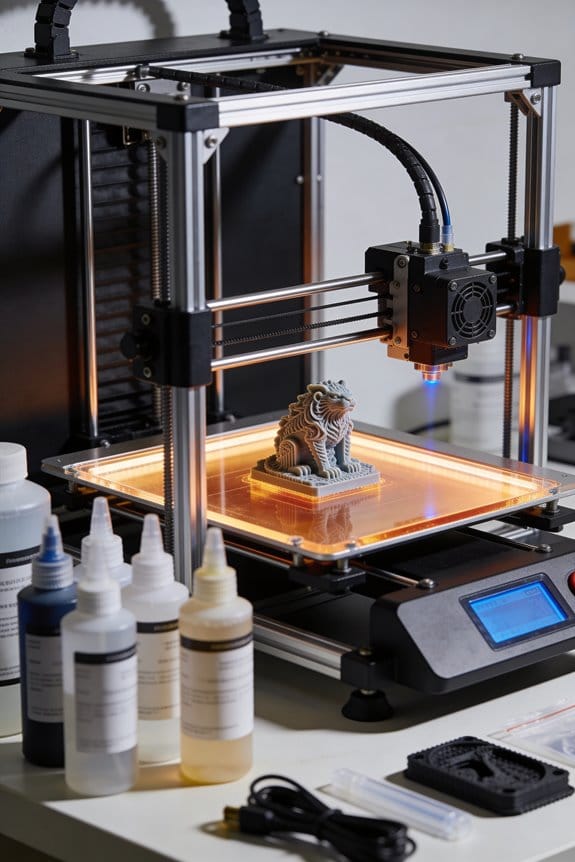
Heated resin vats cut viscosity for faster, more even recoats and fewer failed layers—aim 25–35°C with ±2°C control. Learn setup and troubleshoot now.

8K vs 12K voxel detail: see sub‑5µm scratches and varnish layers, learn gear and workflow needs for crisp captures—read the practical setup guide.
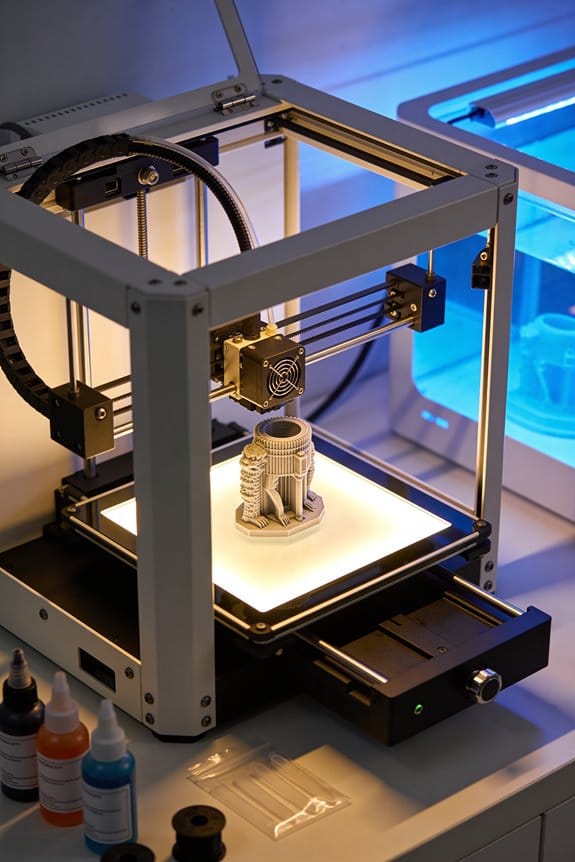
Monochrome LCD screens speed resin curing ~6× by letting more UV reach photoinitiators, cutting exposures to 20–40% of RGB times. Learn tuning tips.
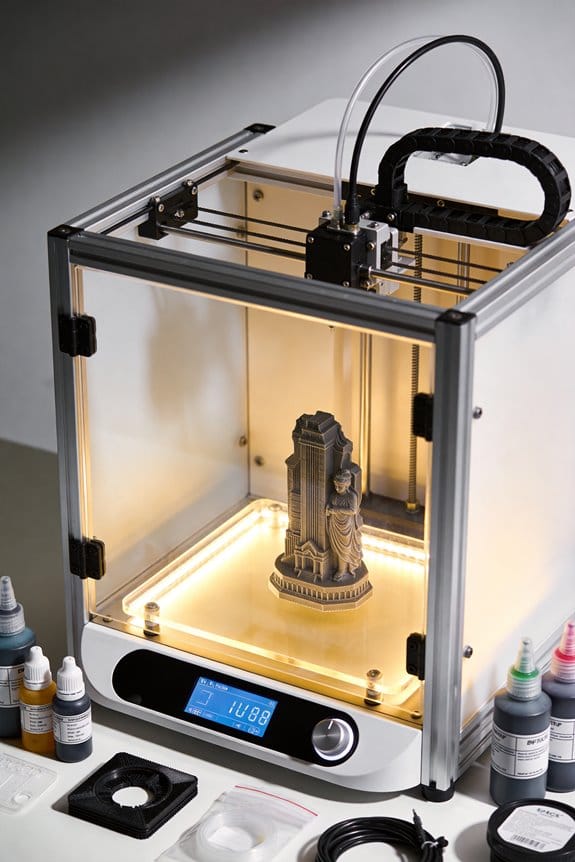
DLP vs. LCD optics: learn which resin light engine gives sharper prints, faster cures, and finer detail—read tests, tuning tips, and buyer's advice now.

CLIP resin 3D printing makes smooth, fast parts by curing above an oxygen "dead zone"—perfect for fine features and short runs. Learn how to get started.

Hollow models: learn how trapped resin acts like a suction cup, boosts peel forces, and how vents, tilts, and ribs stop failures—try these fixes now.