The Truth About PLA Biodegradability: Industrial Composting vs. Standard Landfills
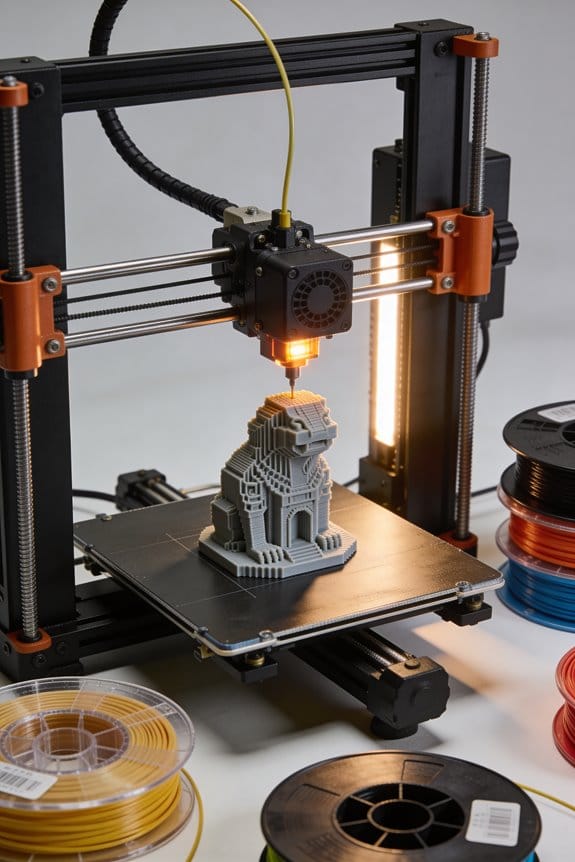
PLA biodegradability: learn why PLA only breaks down in industrial composting (not home bins or landfills) — find local rules and act accordingly.

PLA biodegradability: learn why PLA only breaks down in industrial composting (not home bins or landfills) — find local rules and act accordingly.
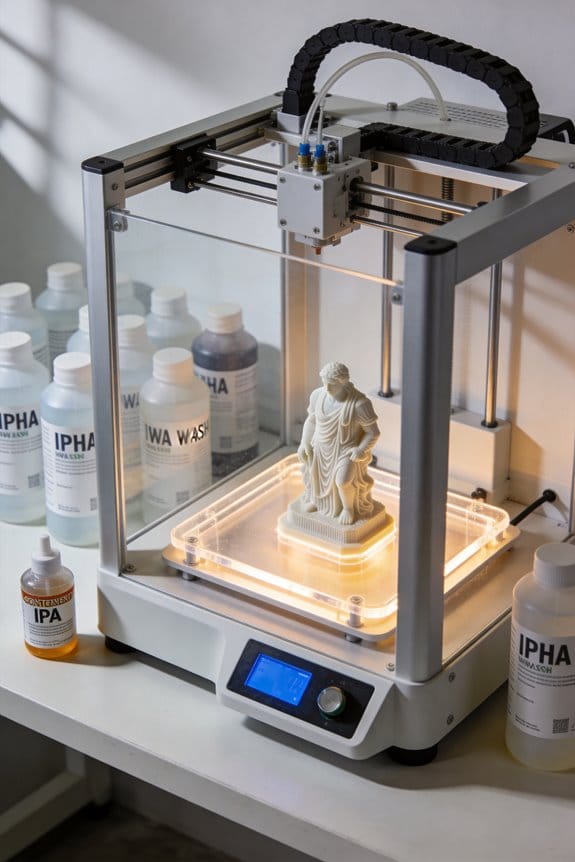
Resin wash stations leak VOCs, solvents and resin into air and water—protect wildlife and health by containing and curing waste. Learn how to act now.

Sustainable alternatives to isopropyl alcohol: safer, lower‑odor solvents that cut fumes and fire risk for resin post‑processing—try a small compatibility test now.

Shipped filament adds CO2 that can erase recycled-material gains; local recycled filament cuts footprint when done right. Learn how to compare suppliers.
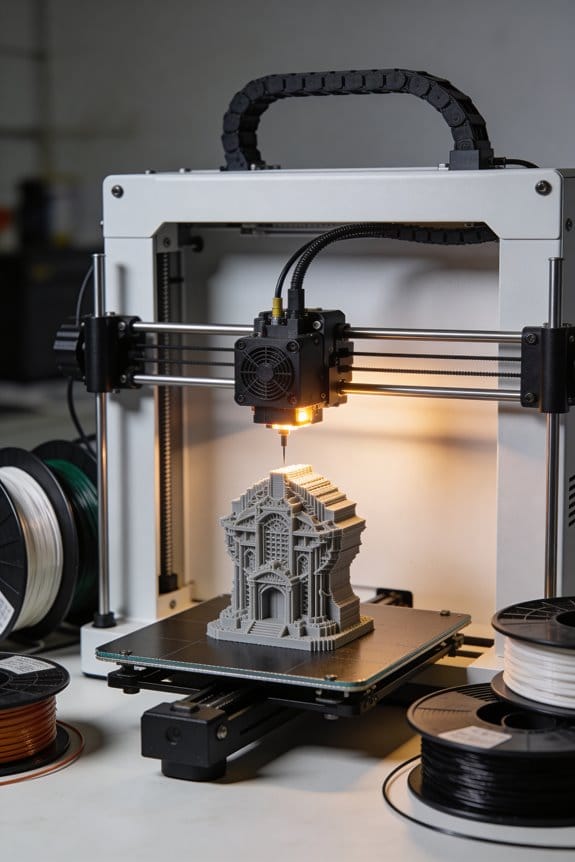
Activated carbon filtration for enclosed 3D printers cuts VOCs effectively—learn simple sizing, placement, and maintenance to build or buy one now.
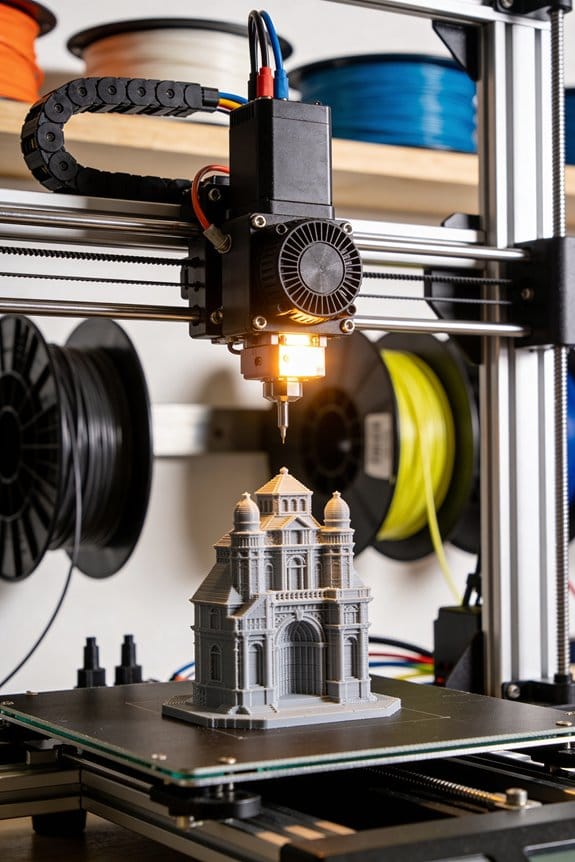
Microplastic risk? Learn safe sanding and processing of 3D printed parts to cut ultrafine particles and VOCs—use source capture, HEPA filters, PPE, and clean-up. Get steps now.
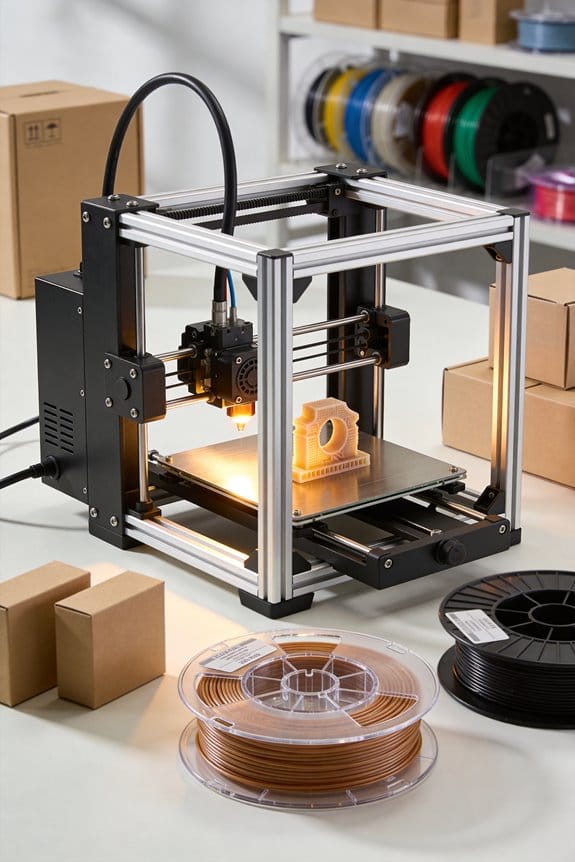
Spool-less filament refills cut e-waste by removing bulky spools and packaging, lowering costs and shipping — learn practical steps to get started.
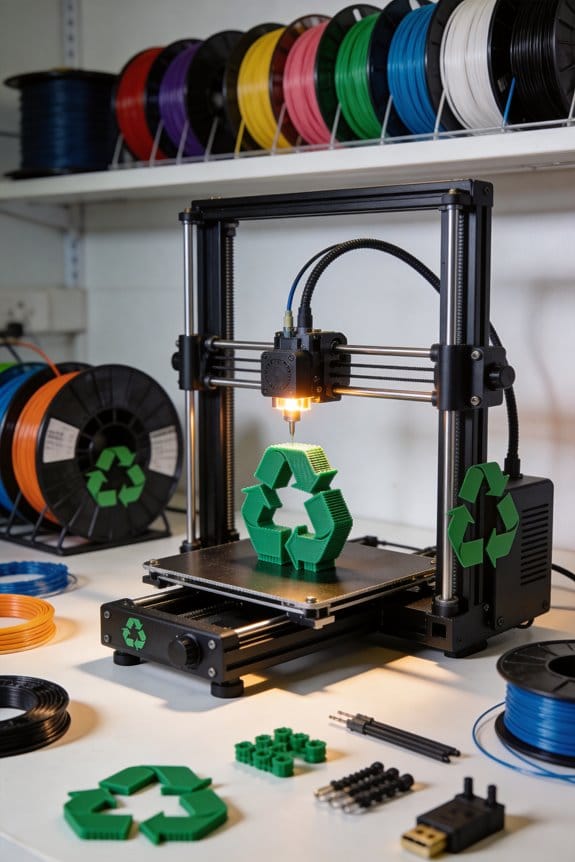
Community 3D‑print recycling tips to cut waste and costs — clear sorting, simple incentives, and setup guidance. Learn how to get started today.
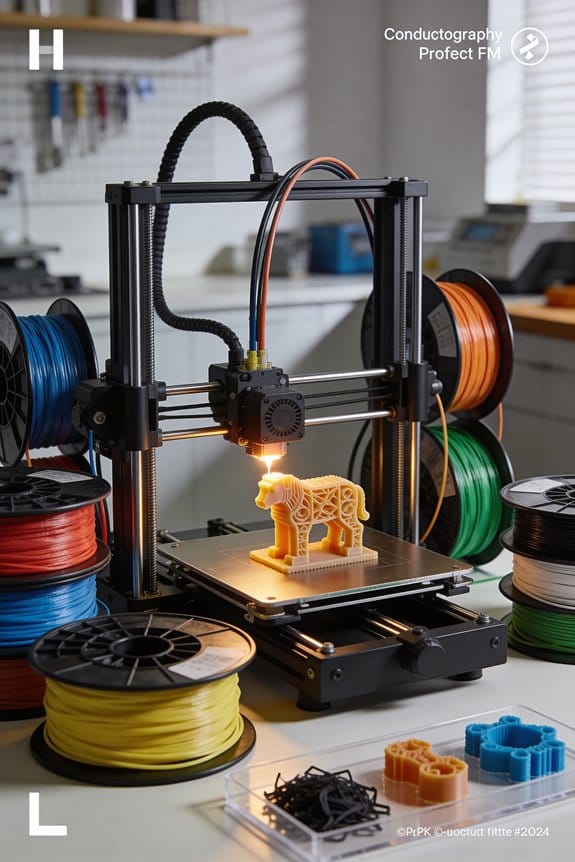
Upcycling failed prints: turn scrap PLA, PETG, or ABS into usable filament or sheets—save material and money. Learn easy steps and get started now.
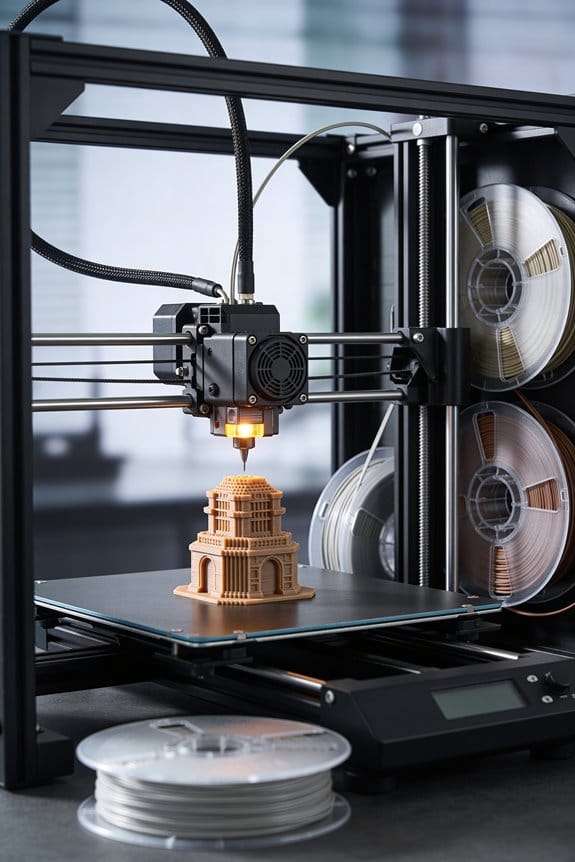
Desktop filament extruders let hobbyists turn dried plastic scraps into reliable 1.75 mm filament—save money and waste; learn how and get started today.