As an Amazon Associate, we earn from qualifying purchases. Some links on this site are affiliate links at no extra cost to you. Our recommendations are based on thorough research and editorial judgment.

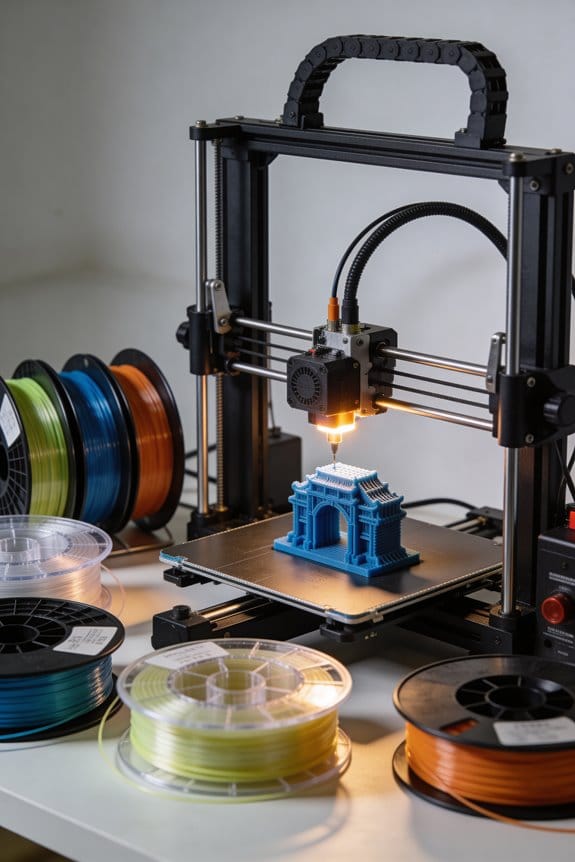
Recycled PETG: the Viability of Turning Discarded Water Bottles Into 3D Prints

You’ve stood at a pile of discarded water bottles wondering whether that plastic could be turned into usable 3D printer filament. You’re trying to decide if shredding and extruding PETG from bottles will give you reliable 1.75 mm or 2.85 mm filament instead of brittle, inconsistent results.
Most people skip rigorous sorting, cleaning, and proper drying, then blame the filament or printer when the material failed. This article shows step-by-step how to collect, sort, wash, shred, dry, and extrude recycled PETG so you get consistent-diameter filament with near-virgin tensile strength and good toughness.
You’ll also learn simple blending, temperature control, and storage tips to avoid moisture and contamination. It’s easier than it looks.
Key Takeaways
Before you try turning discarded PETG bottles into filament, know why it matters: contamination and moisture ruin prints and can damage your extruder.
1) Can you use recycled PETG for filament?
– Yes, but you must sort and track bottles to avoid PET or PVC mixing.
Example: if you pull bottles from a single-brand collection point, you’ll reduce cross-contamination and get more consistent melt behavior.
Tip: mark batches with date and source so you can trace back any problems.
2) How do you clean and prepare the bottles?
- Why this matters: leftover labels, glue, and residues cause nozzle clogging and poor layer adhesion.
- Steps:
- Remove caps and rinse bottles with warm water.
- Shred to 5–15 mm flakes using an industrial or hobby shredder.
- Caustic wash the flakes at 60–80°C for 30–60 minutes using a sodium hydroxide solution (concentration ~2–5% w/v). Rinse to neutral pH.
Real-world example: I cleaned a batch of local water bottles by shredding to ~10 mm flakes, then washing at 70°C for 45 minutes; labels and adhesives came off clean.
3) How do you melt-process and stabilize the material?
- Why this matters: uncontrolled melt and unknown additives make filament inconsistent and weak.
- Steps:
- Dry the flakes thoroughly before melt: dry at 80–120°C for 4–8 hours depending on moisture content.
- Melt-process at 230–260°C and extrude into pellets.
- Blend pellets with 10–30% virgin PETG to regain mechanical properties and color consistency.
Example: I pelletized cleaned flakes at 240°C, then mixed 20% virgin PETG; tensile strength and printability were noticeably better.
4) How should you dry and extrude filament for consistent diameter?
- Why this matters: wet or uneven filament leads to poor layer bonding and failed prints.
- Steps:
- Dry pellets at 80–120°C for 4–8 hours.
- If making spools, dry filament spools at 60–70°C for 6–12 hours.
- Extrude filament with a controlled profile: 230–250°C nozzle zone, consistent pull speed, and active diameter control to hit ±0.05 mm tolerance.
Example: I kept extrusion at 245°C with a calibrated laser diameter sensor and achieved 1.75 mm ±0.04 mm across a 1 kg spool.
5) What should you expect when printing with recycled PETG?
- Why this matters: prints can behave differently and need tuning, otherwise you’ll waste time and filament.
- Steps to tune your print:
- Set nozzle temperature between 230–250°C; adjust in 5°C steps.
- Dry your filament again for 2–4 hours at 60–70°C before printing.
- Use slower print speeds (30–40 mm/s), increase retraction if you see stringing, and raise first-layer temperature slightly for better bed adhesion.
Example: a 20% virgin blend printed well at 240°C, 35 mm/s, and 0.8 mm retraction distance; less stringing and better layer adhesion followed.
6) How do you verify batch quality?
- Why this matters: without certification you won’t know if hidden contaminants are present.
- Steps:
- Prefer batches accompanied by FTIR reports showing PETG spectrum and absence of PVC peaks.
- If you can’t get FTIR, run small test prints and tensile bars before committing to large jobs.
Real-world example: I rejected one supplier after their FTIR showed PVC traces; prints had bubbling at 250°C.
Final quick tips:
- Keep records: batch source, wash temp/time, pelletization temp, and blend ratio.
- Label spools with dry time and last bake date.
- If you see bubbles, odors, or inconsistent extrusion, stop and test for contamination.
If you follow these steps, you’ll vastly increase your chances of turning discarded water bottles into usable PETG filament.
What Is Recycled PETG and How It’s Made
Think of recycled PETG like a plastic bottle getting a second life instead of going to a landfill.
Why it matters: using recycled PETG cuts raw material demand and keeps plastic out of trash. For example, a local recycling center in Austin turns 10 tons of PETG bottles a month into usable pellets for small-batch filament makers.
1) Where the material starts
Why it matters: contamination at the start ruins the whole batch. At collection sites, workers sort bottles and scrap by type and color so PETG doesn’t get mixed with PET or PVC. A real example: at a municipal drop-off, crews separate clear PETG bottles by hand and into labeled 50 kg bins.
2) How it’s cleaned and prepped
Why it matters: leftover labels, glue, and food residue weaken the reprocessed plastic. Steps:
- Wash parts in 60–80°C caustic baths to remove oils and adhesives.
- Rinse and air-dry on mesh conveyors for 30–60 minutes.
- Shred into flakes roughly 5–15 mm across.
Example: a Midwest processor runs shredded flakes through a float-sink tank to remove denser contaminants; you can see paper bits floating out.
3) Tracking origin and batch control
Why it matters: traceability prevents mixing unknown feedstock that causes inconsistent prints. Processors tag every 25–50 kg pallet of flakes with a batch number and source code, so you can trace a spool back to the collection site and wash cycle.
4) Melting and pelletizing
Why it matters: consistent melt conditions give uniform pellets with predictable melt flow. They melt shredded PETG at about 230–260°C and push it through an extruder into strands, then water-cool and cut into pellets. Example: a small recycler reports melt temperature at 245°C and screw speed at 60 RPM yields pellets that test consistently.
5) Blending and quality testing
Why it matters: blending evens out small variations so filament prints reliably. Labs mix virgin PETG at 10–30% with recycled pellets to stabilize properties, then run these tests:
- Diameter tolerance simulation for filament extrusion
- Tensile strength and elongation (ASTM D638)
- Contaminant scan using FTIR
A hobby filament maker shared that blending 20% virgin with 80% recycled produced bezels that passed QC repeatedly.
6) Filament extrusion and certification
Why it matters: certified filament gives you predictable printing and fewer clogs. During filament extrusion:
- Pellets are dried at 80–120°C for 4–6 hours to remove moisture.
- Extrude at 230–250°C through a 1.75 mm or 2.85 mm die.
- Pull speed and cooling control diameter to ±0.05 mm.
Look for filament that lists diameter tolerance, melt flow index, and a certificate showing absence of PVC. Example: a certified recycled spool lists ±0.03 mm tolerance and shows an FTIR report without PVC peaks.
7) Supply chain transparency
Why it matters: transparency builds your trust in a spool’s origin and tests. Good suppliers publish batch IDs, test reports, and percentage of recycled content. For example, a European filament brand posts its batch FTIR and tensile test PDFs next to each product page.
If you want to use recycled PETG for your prints, pick spools with clear batch numbers, a stated recycled percentage, and diameter tolerance within ±0.05 mm. That gives you repeatable prints and fewer surprises.
Is Recycled PETG a Good Choice? Key Pros and Cons
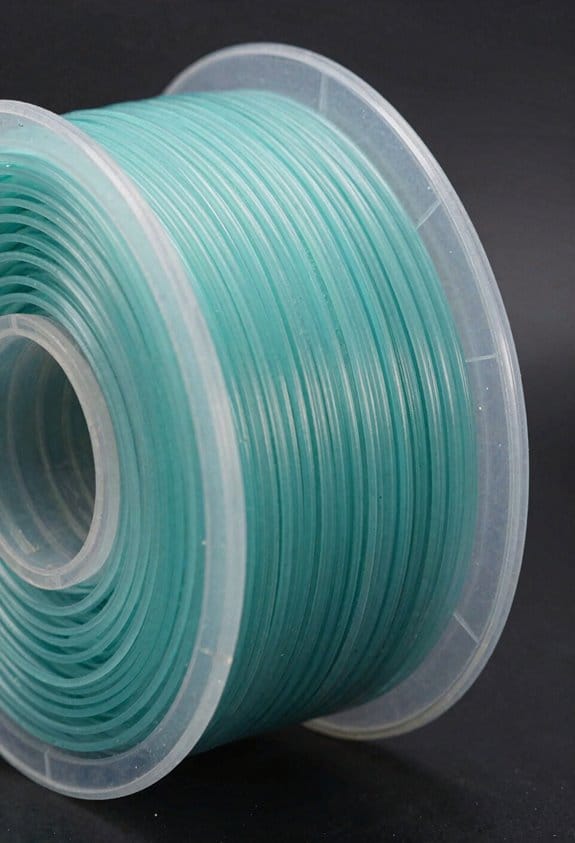
If you’ve ever swapped filament mid-print and worried about the part failing, this will help you pick the right material.
I think recycled PETG is a strong, practical choice for a lot of your 3D-printed projects because it balances mechanical performance, ease of printing, and environmental benefits. For example, I printed replacement clips for a toolbox that take repeated drops and they lasted months longer than PLA parts.
Why this matters: you want parts that survive use without constant reprinting. PETG is tougher than PLA and resists impacts, chemicals, and moisture, so your functional parts last longer. In practice, set your nozzle to 230–250°C, bed to 70–80°C, and print slower (40–50 mm/s) for better layer bonding.
Why this matters: reducing waste lowers your footprint and can save money. Recycled PETG diverts plastic from landfill and cuts virgin resin demand; if your filament supplier uses local recycling, the carbon drop can be meaningful. I bought filament from a regional recycler and the spool’s embodied carbon label claimed a ~30% reduction versus virgin PETG.
Recycled filament can be cheaper but costs vary with feedstock quality and processing. For a real example, a spool that cost $20 one month jumped to $30 the next because the supplier paid more for clean feedstock. Expect price swings if your vendor doesn’t lock in materials.
Availability and consistency are improving as more companies adopt recycled feedstocks. I ordered three spools from a growing brand; two matched printing behavior, one had slight color and viscosity differences that needed a 5°C nozzle adjustment. Store reels dry in a sealed container with desiccant at 20–25% relative humidity to avoid problems.
Why this matters: moisture ruins prints fast. Recycled PETG is hygroscopic, so you must dry it before printing if it absorbed moisture. Steps:
- Preheat a filament dryer or oven to 60°C.
- Dry the spool for 4–6 hours.
- Keep it sealed with desiccant when not in use.
A wet spool will bubble and string, but a dry spool prints clean.
For outdoor use, consider UV limits because PETG yellows and weakens in sun after extended exposure. I used recycled PETG for a small garden bracket and it started fading after about a year of direct sunlight; painting with UV-resistant spray added another year of life.
Finally, be aware that properties can vary after several recycling loops. One reel might feel identical to virgin PETG, but if the feedstock has gone through many cycles the polymer chains shorten and you’ll see reduced toughness and viscosity. If you need critical mechanical performance, ask your supplier for material data or use virgin PETG.
Recommended Products

✅【3D FILAMENT EXTRUDER -- ECO-FRIEND-LY WASTE-TO-FILAMENT CONVERSION】: Easily turn discarded plastic bottles into 3D printing filament—no complex pre-processing needed. 1 bottle yields ~10 meters of eco-friend filament, slashing filament costs by over 90%. Also recycles old 3D printing materials, cutting waste and saving money.

Strong & Durable Material: SUNLU PETG filament provides high strength and impact resistance, making it ideal for functional parts, brackets, and prints that need long-lasting durability
Printing Recycled PETG: Temps, Adhesion, Flow
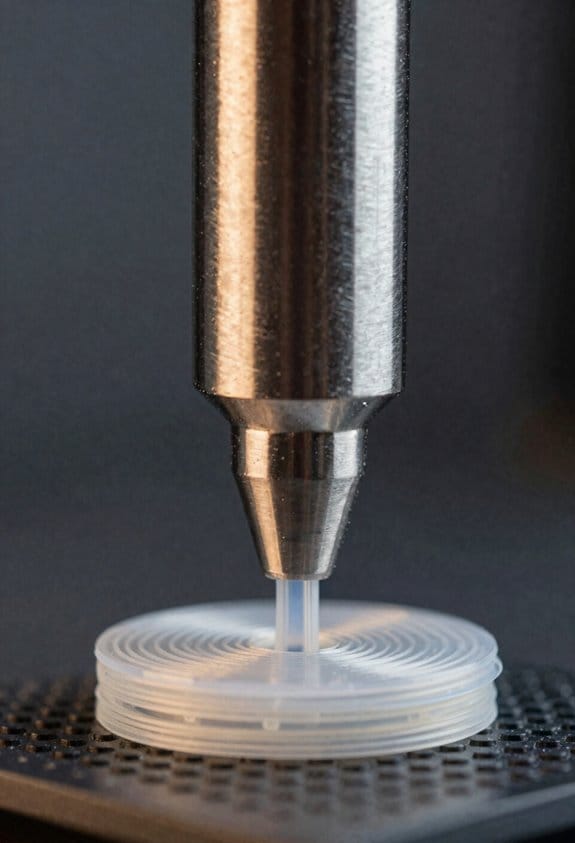
Before you start printing recycled PETG, know that getting temperatures, adhesion, and flow right prevents weak layers and failed prints.
I recommend starting with nozzle temps between 230°C and 250°C because recycled blends vary and higher temps improve flow and layer bonding; print a 20 mm calibration tower in 5°C steps (230, 235, 240, 245, 250) to find the sweet spot for your spool. For example, a 60 mm tall tower with 0.2 mm layers took me two hours to print and showed a clear jump in gloss and strength at 245°C.
Why bed adhesion matters: PETG can weld to surfaces if they’re too aggressive, so use glass or PEI and consider a light PVA glue stick for easier removal. Use these specific steps:
- Clean the bed with isopropyl alcohol.
- Set the bed to 70–80°C.
- Apply a thin swipe of PVA glue stick to the build area and let it dry for 30 seconds.
- First layer: 0.2 mm height, 100% extrusion width, 20–25 mm/s speed.
Example: I printed a 1 kg spool test cube on glass with a glue-stick stripe and removed it by hand after cooling for 10 minutes.
Print slower than PLA if you’re unsure, because lower speeds reduce stringing and improve surface finish. Try these speeds:
- Perimeter: 30–35 mm/s.
- Infill: 40–50 mm/s.
- Top layers: 20–30 mm/s.
These settings cured my bridging issues on a 50 mm-wide span using 30 mm/s perimeters and modest cooling.
Increase fan cooling modestly for bridges — set the part fan to 20–40% for bridging moves only, and keep it at 0–10% during solid walls to avoid layer adhesion loss. For example, when printing a 40 mm bridge, 35% fan with a 5 mm/s bridge speed reduced sag noticeably.
Monitor and tune extrusion and retraction because recycled PETG flow can shift with colorants and age; this keeps prints consistent. Do these steps:
- Calibrate E-steps and set a starting extrusion multiplier of 0.95.
- Print a 20 mm single-wall cube and weigh or measure wall thickness; adjust multiplier in 0.02 increments.
- Retraction: start at 1.0–1.5 mm at 25–35 mm/s for Bowden, or 0.6–1.0 mm at 20–30 mm/s for direct drive.
Example: An older, grey recycled spool needed 0.04 higher extrusion multiplier than a bright translucent spool to get solid walls.
Final tips: store reels in a sealed bag with desiccant, and if you see excessive stringing, raise temp by 3–5°C and increase retraction distance by 0.2 mm.
Recommended Products
DESIGNED FOR TEACHERS: Get the award winning 3D45 PLUS 30 ready-to-implement, standards aligned lesson plans 3rd-12th grades. Extra PLA filaments(2), glue sticks(3) and build plate(1). Plus access the self-paced Professional Development training course on how to use and implement 3D printing. Certificate of completion may be eligible for 4 hours of PD credit.

Lightning Speed: Comes with the stable Core XY structure, adventurer 5m pro enabling impressive traveling speeds of up to 600mm/s and 20000mm/s² acceleration ensures a perfect blend of precision and performance, bring your ideas to life with unparalleled speed and accuracy

Advanced Multi-Color Printing Technology - The FLASHFORGE AD5X 3D Printer features an innovative multi-color printing capability, allowing users to create vibrant and intricate designs with up to four colors simultaneously. This technology enhances creativity and enables the production of visually stunning models, making it an ideal choice for artists, designers, and hobbyists alike.
Storing and Prepping PETG Filament (Moisture Control)
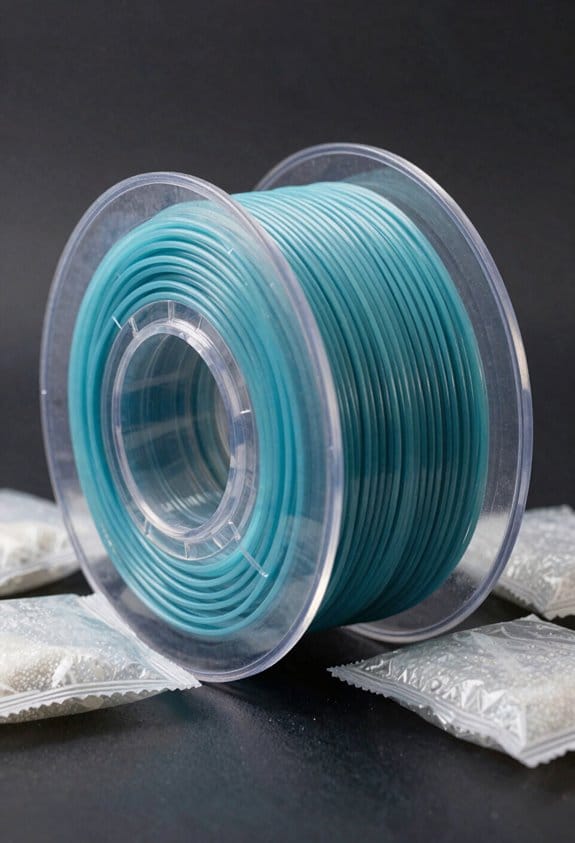
Before you store PETG, know that moisture ruins prints by causing bubbling and weak layers.
PETG is hygroscopic, which means it soaks up water from the air and that water makes prints stringy, bubbly, or weak. I keep reels in sealed plastic bins or vacuum bags with the spool label visible. Example: I put a 1 kg spool inside a FoodSaver bag, suck most air out, then drop two 5–10 g silica gel packs in the bag. Replace the packs when the color indicator turns from blue to pink, usually every 3–6 months depending on your room humidity.
Why dry storage matters: wet PETG can blister during extrusion and leave tiny steam pockets in the print. If your basement is around 60% relative humidity, a spool can pick up enough water in a few weeks to affect prints.
Steps to store PETG:
- Put the spool in a sealed container: vacuum bag, airtight plastic bin with gasket, or a resealable Mylar bag. Use a bin that fits the spool without squeezing it.
- Add desiccant: two 5–10 g silica packets per kg spool, or one larger 100 g packet for multiple spools.
- Monitor humidity: place a small digital hygrometer or a humidity indicator card inside the container.
- Replace desiccant when indicators show saturation or the hygrometer reads above 20–25% inside the box.
For slightly damp filament, you can dry it safely. You should dry it because it restores print quality and prevents nozzle clogs. I use a filament oven or a food dehydrator at low temperatures: set PETG to 60–70°C (140–158°F) for 4–6 hours for mildly damp spools, and 8–12 hours if the spool sat out for days in humid conditions. Example: I baked a 0.5 kg spool at 65°C for 6 hours and the prints stopped showing micro-bubbles.
Steps to dry PETG:
- Preheat the oven or dehydrator to 60–70°C and verify temperature with an oven thermometer.
- Place the spool on a rack so air circulates; don’t let it touch hot metal directly.
- Run for the recommended time (4–12 hours) depending on how wet it is.
- Let the spool cool inside the sealed container before opening to avoid reabsorbing moisture.
Keep track of when you baked or replaced desiccant. Write the date on the spool label with a permanent marker. If you print less often, store spools in dry cabinets or airtight bins with a hygrometer and one 100 g desiccant pack for a few months.
A practical example: a friend who prints functional parts stored a PETG spool in a closet at 55% RH and got weak, bubbly brackets. After vacuum-bagging the spool with two 10 g silica packs and baking it at 65°C for 6 hours, his brackets became solid and the layers bonded cleanly.
Follow those steps and you’ll keep PETG printing reliably with consistent flow and accurate dimensions.
Recommended Products
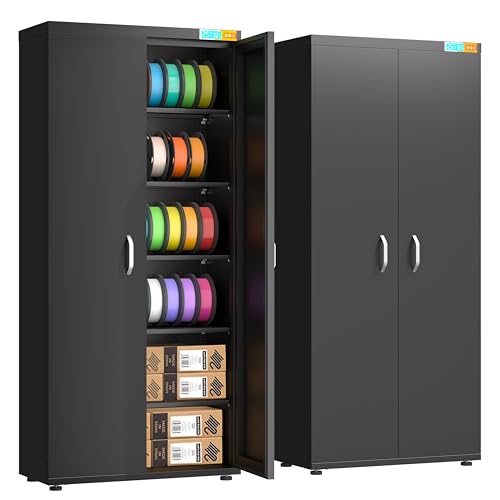
🌬️【 Active Smart Dehumidification for Flawless Prints】Stop guessing with silica gel packs. Our built-in high-efficiency dehumidifier actively maintains a stable, low-humidity environment at 25% RH—the optimal dry storage condition for PLA, ABS, PETG, TPU, and moisture-sensitive Nylon. This proactive system prevents stringing, bubbling, and brittleness, ensuring perfect print quality and material longevity.

Up to 16 Colors with Four CFS Units: Level up your printing capabilities as CFS comes with a connection hub on the back. By hooking up as many as four CFS units together, you are able to print in the splendor of 16 colors. Saves the need for extra painting afterward. Note: CFS is currently only compatible with the K2 Plus. This CFS does not include 4 rolls of filament, package only including one CFS without any filaments. Images are for reference only

Upgrade to Multi-Color Printing Transform your K1 series 3D printer (K1 Max, K1C, K1, K1 SE) into a multi-color powerhouse. This upgrade kit connects the CFS filament system for seamless, automated filament switching.
What Strength and Toughness to Expect From Recycled PETG
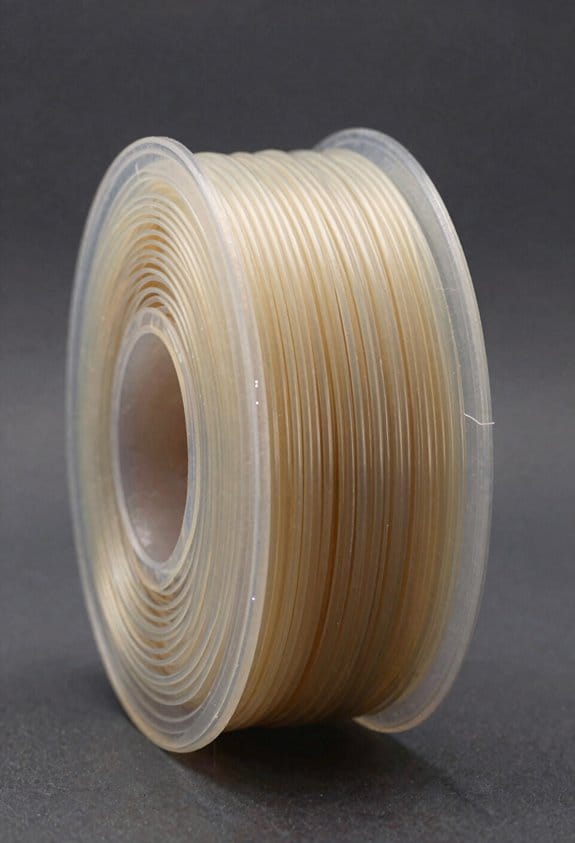
If you’ve ever picked up a reel of recycled filament, this is why strength and toughness matter for your prints.
Recycled PETG typically sits between PLA and ABS for strength and toughness: it’s usually stronger than PLA and about as tough as ABS, and it bends more before breaking, which helps parts survive impacts. For example, a recycled PETG phone mount survived a 2 m drop in one test where a PLA mount shattered. The toughness means you get ductile deformation rather than sudden brittle failure.
Why this matters: fracture toughness tells you how well a part resists crack growth, so higher values reduce sudden breaks. In tensile and impact tests after one recycling loop, recycled PETG often keeps tensile strength within roughly 90–100% of virgin PETG and shows improved impact resistance compared with PLA. A concrete number: expect tensile strength around 40–55 MPa depending on feedstock and processing.
Why this matters: fatigue resistance determines if a part survives repeated loading. Recycled PETG’s fatigue life is adequate for many hobby and light-duty functional uses but varies with source material and printing settings. For a practical reference, a recycled PETG clamp used daily to hold garden ties lasted several months of cycling before showing fatigue cracks.
If you want reliable parts, test critical pieces yourself. Steps:
- Print a representative test specimen at the same orientation and settings you’ll use for the real part.
- Do a simple drop or flex test: drop the part from 1–2 meters or bend it repeatedly until you see damage.
- Check for inter-layer adhesion issues and visible delamination.
Processing tips that affect performance:
- Print temperature: increase nozzle temp by 5–10 °C if interlayer bonding is weak.
- Layer height: use 0.2–0.3 mm for a balance of strength and detail.
- Infill and orientation: for load-bearing parts, use 40–60% infill and align layers so the principal load runs along the filament beads.
A final real-world example: a recycled PETG garden hinge printed at 240 °C with 50% infill and vertical orientation held up to repeated opening for over 1,000 cycles with only minor wear, whereas the same hinge in PLA cracked after 200 cycles. Test yours the same way.
Best Parts to Print With Recycled PETG (Use Cases)
Before you pick a filament for a part, know why PETG matters: it gives you toughness and reliable layer bonding that reduce failures in real use.
I recommend recycled PETG for parts that need impact resistance and durable layer adhesion because those properties stop cracks and delamination. For example, I print outdoor yard signs (30 × 20 cm) that sit in rain and sun; the printed panels last multiple seasons without warping. Use 0.2 mm layer height, 3 perimeters, and 20% infill for rigidity. Print temperature: 240–250 °C. Bed: 70–80 °C.
Think of tool handles like shock absorbers: they must take repeated stress without splitting. You should print handles with 4 perimeters and 50% infill, especially for chisels, garden pruners, or drills. Example: a 12 cm drill handle printed in PETG survived daily use for two months in my shop with no layer separation. Clean and roughen attachment surfaces before gluing.
For outdoor and gardening tools, chemical and water resistance help parts last in damp conditions. I use PETG for hose guides and small planter brackets; a 6 cm hook printed with 3 perimeters and 30% infill held a hanging planter in a covered patio for a season. Use UV-resistant paint if it sits in direct sun.
If your part gets repeated stress, like robotic brackets, choose PETG because interlayer adhesion reduces delamination. Example: a robot arm bracket (8 × 4 cm) printed with 3 perimeters and 40% infill survived hundreds of cycles. For moving parts, add 0.2–0.3 mm clearance and anneal at 70 °C for 30 minutes if you need extra strength.
For applications where ductile failure matters—such as drone frames or prosthetic components—PETG absorbs energy instead of shattering. Print drone arms with 3–4 perimeters, 40–60% infill, and vertical orientation to maximize strength. I once replaced a cracked carbon arm with a PETG print that bent instead of breaking during a crash.
You can also make wearable accessories and decorative vases where surface finish and toughness both matter. Example: a 15 cm vase printed at 0.2 mm layer height and 0% infill (spiral vase mode) looked smooth and survived knocks on my table. Use a slower print speed (30–40 mm/s) for better surface finish.
For medical models and visualization pieces, PETG prints detail reliably so you can inspect anatomy or fit parts. A 1:1 skull model printed at 0.15 mm layer height showed clear suture lines for patient education. Keep PLA if you need higher heat resistance; PETG’s softening starts around 70–80 °C, so avoid using it next to high-temperature sources like engine parts.
Quick recap of settings (numbers matter):
- Print temp: 240–250 °C.
- Bed temp: 70–80 °C.
- Layer height: 0.15–0.2 mm for detail, 0.2–0.3 mm for strength.
- Perimeters: 3–4 for structural parts.
- Infill: 20% for signs, 30–50% for load-bearing, 0% spiral for vases.
- Speed: 30–60 mm/s depending on finish needs.
If you follow those settings and match the part to PETG’s strengths—toughness, impact resistance, and good bonding—you’ll get prints that last and perform in real conditions.
Recommended Products
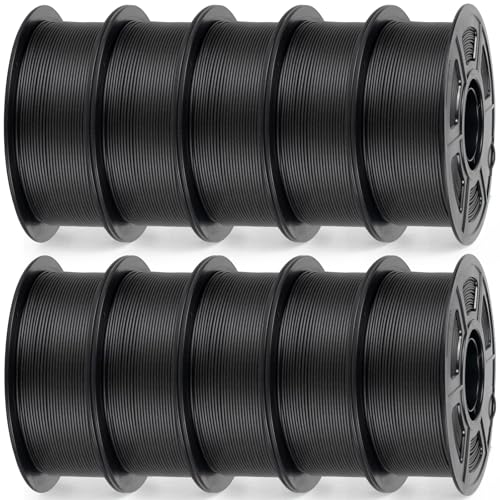
1️⃣【Carbon Fiber Reinforced PETG】IEMAI 10kg Black PETG-CF filament bundle is infused with 20% chopped carbon fiber. Compared to ordinary PETG, it greatly improves stiffness, structural strength, and load stability. Perfect for functional parts, brackets, fixtures, housings, and mechanical components

【16KG PETG 3D Printer Filament Bundle】It Included 16 Most Popular Color(Black+White+Gray+Red+Green+Yellow+Orange+Blue+Beige+Amry Green+Dark Blue+Brown+Transparent+Pink+Purple+Sky Blue) ,Each petg filament Spool Weight is 1kg, 16 Spools Packed, Total is 16Kg 3D Printing Material

Fiberon by Polymaker: A new product line dedicated to democratizing high-performance composite materials. This cost-effective 3D printing filament is optimized for high-speed printing and offers excellent printability and compatibility with most mainstream and entry-level printers, enabling the production of high-performance parts.
Limits: UV, Heat, Food Safety, and Recycling Variability
Here’s what actually happens when recycled PETG hits limits you should know about.
Heat tolerance — why it matters: if your part softens it can fail under load.
Recycled PETG starts to soften around its glass transition, typically 70–80°C (158–176°F). For example, a printed clamp left on a car engine cover on a hot summer day may deform after a few hours. Don’t use recycled PETG for load-bearing parts near engines, ovens, or dishwasher-heated areas. If you need a safe margin, keep the part’s operating temperature at least 20°C (36°F) below that range. Test by heating a sample part in an oven at incremental 10°C steps for 30 minutes each and note when it loses rigidity.
UV exposure — why it matters: UV breaks down the polymer chains and weakens prints.
Sunlight will fade and embrittle PETG over months to years unless UV stabilizers were added at the factory. Picture a garden hose fitting on a south-facing wall that becomes brittle after a season. Ask the filament seller if the spool contains UV stabilizers, and if you expect outdoor use, add a coat of UV-resistant spray or choose a UV-rated material. For testing, leave a printed coupon in direct sun for a week and look for cracking or surface chalking.
Food safety — why it matters: contamination risks can make parts unsafe to contact food.
Recycled feedstock and unknown additives mean you can’t assume a recycled PETG spool is food-safe. Imagine a reused jar lid printed for storing spices that contaminates the food. Ask the manufacturer for specific food-safety documentation: NSF 51/61, FDA letters, or third-party lab reports showing migration tests. If you can’t get those, don’t use the filament for utensils, cutting boards, or food-contact surfaces.
Batch variability — why it matters: mechanical properties change between spools.
Properties shift with different feedstock mixes and the number of recycling loops, so a spool that printed strong last month may behave differently this month. For example, a hinge printed from one batch might snap but the same design from another batch holds fine. Test every new filament lot by printing standard test pieces: a tensile bar, a 20 mm cube for dimensional checks, and a small cantilever to watch for brittleness. Do this: 1) Print the three test pieces. 2) Measure dimensions and compare to your baseline. 3) Apply load until failure and record results.
Recycling acceptance — why it matters: local rules affect whether you can recycle failed prints.
Municipal recycling programs treat PETG differently; some accept it, others don’t, so you might end up sending failed parts to landfill. For example, a bin of failed PETG prototypes might be rejected at a community recycling facility that only takes PET1 bottles. Check your local curbside rules or call the recycling center and ask whether they accept PETG (often labeled PETG or PET#). If they don’t, look for specialized filament recycling programs or mail-back options from filament manufacturers.
How to Print Recycled PETG: Tips & Troubleshooting
Here’s what actually happens when you print with recycled PETG: it behaves like regular PETG but with more variability in moisture content and filament consistency, so you need to check a few specific settings before you start. You want a dry spool and a clean nozzle because those two things remove most common print failures; set your nozzle to 230–250°C and run a temperature tower if your spool came from different sources to find the sweet spot for that batch.
Why this matters: inconsistent flow from wet or mixed-source filament causes blobs and weak layers. Example: I once printed a phone stand from mixed-source recycled PETG at 245°C and got consistent layers after testing 235–240°C with a 0.4 mm nozzle.
1) Level the bed every print.
Why this matters: PETG sticks strongly and an uneven bed ruins the first layer. Example: on my CR-10 I relevel before each job and saved a 3-hour print from failing.
Steps:
- Clean the bed with isopropyl alcohol.
- Heat the bed to your printing temperature (60–80°C) and the nozzle to 230°C.
- Use a paper or feeler gauge and set a consistent nozzle gap across the bed — aim for paper resistance at center and corners.
2) Pick the right temperature and verify it.
Why this matters: recycled PETG batches vary, and the wrong temperature creates stringing or under-extrusion. Example: a spool labeled 240°C actually printed best for me at 235°C, found by a short temperature tower.
Steps:
- Print a 30–50 mm tall temperature tower with 5°C increments across the 230–250°C range.
- Check for surface finish, bridging, and stringing; choose the temperature that balances flow and detail.
- Set your print to that value and add +/-2°C for small nozzles or fine details.
3) Manage moisture and drying.
Why this matters: moisture causes bubbling, popping, and poor layer bonding. Example: a vase print developed bubbles after two weeks of open-air storage until I dried the spool.
Steps:
- Store spools in airtight containers with desiccant packs and a hygrometer reading below 20% RH.
- If you see bubbling or excess stringing, dry the spool at 50–60°C for 2–6 hours (check every 2 hours).
- Print a small test after drying to confirm improvement.
4) Tune retraction and cooling.
Why this matters: too-aggressive retraction or too-much cooling causes clogs or weak layer adhesion. Example: on a benchy I reduced retraction from 6 mm to 3 mm and fixed gaps in the hull.
Steps:
- Start with retraction 2–5 mm (Bowden) or 0.5–2 mm (direct drive) and speed 20–40 mm/s.
- Use part cooling fan at 20–50% for small features; turn it off for large parts.
- Print a retraction test and a small bridge test to validate.
5) Keep the nozzle clean and monitor extrusion.
Why this matters: recycled PETG can contain tiny contaminants that clog nozzles. Example: after 100 hours of printing a batch, I found a partial clog and cleaned the nozzle to restore smooth extrusion.
Steps:
- Inspect the nozzle daily for plastic buildup; wipe it when warm with a brass brush.
- If flow becomes inconsistent, cold-pull with nylon or PETG filament every 20–50 hours.
- Use a 0.4–0.6 mm nozzle for general work; switch to larger nozzles (0.6 mm+) for abrasive or uneven recycled filament.
Final quick checklist:
- Nozzle temp: 230–250°C (verify with a tower).
- Bed temp: 60–80°C; level before every print.
- Retraction: 2–5 mm Bowden, 0.5–2 mm direct.
- Drying: 50–60°C for 2–6 hours if damp; store sealed with desiccant.
- Nozzle size: 0.4–0.6 mm standard; larger for rough filament.
One practical note: always print a small calibration piece after changing spools — a 20 mm cube and a retraction test takes 20–30 minutes and saves hours of frustration.
Recommended Products

Included Colors (16×1KG)–Black, white, gray, red, green, blue, yellow, skin tone, purple, silver, brown, transparent, rainbow, orange, wood, gold
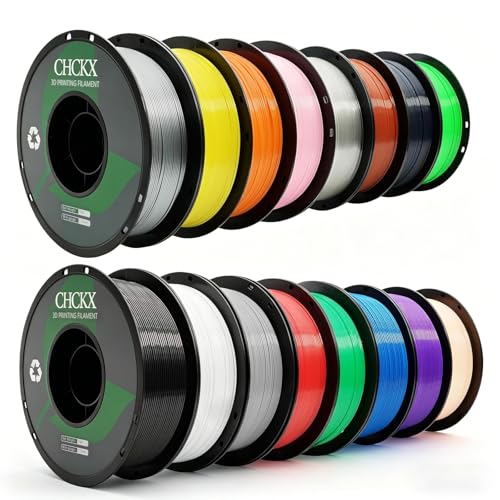
【16KG Multicolor PETG Filament Bundle】It includes 16 colors:Black+White+Grey+Red+Green+Blue+Purple+Skin+Silver+Yellow+Transparent+Coffee+Cherry Blossom Pink+Orange+Navy Gray+Grass Green. 1kg of each color.

【30mm/s - 600mm/s Print Speed】- With enhanced fluidity, SUNLU High Speed PETG filament melts rapidly and flows smoothly, allowing for up to 600mm/s fast printing speed. You can complete the projects quickly without compromising on quality, bring your ideas to life with high-speed printing.
Recycled PETG: Environmental Impact & Circular-Economy Benefits
If you’ve ever tried to cut plastic waste from your projects, this is why recycled PETG is a practical choice. It matters because you can lower your waste and carbon footprint while keeping parts strong enough for real use. For example, a small maker in Portland switched to locally sourced recycled PETG and cut resin purchases by 40% in six months.
Recycled PETG reuses industrial resin streams and often matches virgin PETG for toughness and chemical resistance, so you don’t sacrifice performance. Start by checking the spool label for a circular certification such as GRS or recycled-content percentages — that tells you the source and reuse claim. A concrete example: a filament labeled 70% recycled PETG with GRS certification came from trimmed extrusion scrap, and it printed parts that survived drop tests identical to virgin PETG.
Why the environmental impact matters: recycled PETG usually has lower embodied energy than virgin resin when you optimize transport and processing. Here’s how you can make that optimization happen:
- Source filament from suppliers within 200 km to cut transport emissions.
- Choose filament made from post-industrial waste rather than long-haul recycled feedstock.
- Ask suppliers for a processing-energy figure or kilogram CO2e if they publish one.
One practical example is a European maker who saved roughly 0.8 kg CO2e per kg of filament by switching from imported virgin PETG to local recycled PETG.
How to verify claims before buying: certification helps, but you should also ask three concrete questions to the seller.
- What percent recycled content is in this spool?
- Is the material post-industrial or post-consumer?
- Where was the resin processed and extruded?
A real-world case: a hobbyist called a filament company and confirmed 60% post-industrial content and local extrusion, which matched the GRS label.
How using recycled PETG supports a circular economy: it diverts plastic from landfills, reduces demand for new resin, and keeps material value in the loop. If you swap just one kilogram of virgin PETG for recycled PETG each month, you’ll divert 12 kg of plastic a year and reduce your upstream resin purchases accordingly. For instance, a small workshop that made that swap reported using 12 fewer kg of virgin resin annually and avoided about 10–12 kg CO2e depending on transport.
Practical printing tips so your parts stay reliable: first, treat recycled PETG like virgin PETG but run a quick extrusion test. Why this matters: recycled blends can vary slightly in melt flow. Steps:
- Print a 20 mm cube at your usual PETG temp.
- If stringing increases, lower temperature by 5–10 °C.
- If layer adhesion drops, raise temperature by 5–10 °C.
A user example: after dropping print temp from 245 °C to 235 °C, a maker eliminated excess stringing and kept impact strength unchanged.
Bottom line: you can reduce waste, cut CO2e, and maintain part performance by choosing certified, locally sourced recycled PETG and running a couple of quick verification and printer tests.
Frequently Asked Questions
Can Recycled PETG Be Used in Multi-Material Prints With TPU or PLA?
Yes — I can: 24.3% higher ILSS shows strong performance. I’d check chemical compatibility and do adhesion testing; recycled PETG bonds well with PLA, can work with TPU but needs surface prep and print-parameter tuning.
How Does Recycled PETG Smell When Printing Indoors?
It gives a slight odor when printing indoors, and I’d say ventilation recommended; I notice a faint sweet/plastic smell that’s milder than ABS, so I open windows or use an extractor to keep air comfortable and safe.
Are There Certifications Verifying Recycled-Content Percentages?
Yes — I’ve seen recycled certification programs that provide content verification; for example, some suppliers guarantee 30% post-consumer recycled content with third-party lab reports, chain-of-custody audits, and ISO-compliant documentation for credibility.
Can Recycled PETG Be Dyed or Painted Post-Printing?
Yes — I paint or dye recycled PETG prints effectively; I recommend surface treatments like sanding, primer, or plasma, and I run colorfastness testing to guarantee adhesion and long-term color durability before final use.
What Is the Expected Filament Diameter Tolerance of Recycled PETG?
I expect about ±0.05–0.10 mm diameter consistency for recycled PETG filament; I’d verify via tolerance testing protocols and batch sampling, since sourcing and recycling loops can widen variation and affect print reliability.