Continuous Liquid Interface Production (CLIP): The Technology Behind Instant Resin Prints

CLIP resin 3D printing makes smooth, fast parts by curing above an oxygen "dead zone"—perfect for fine features and short runs. Learn how to get started.


CLIP resin 3D printing makes smooth, fast parts by curing above an oxygen "dead zone"—perfect for fine features and short runs. Learn how to get started.

UV degradation on bare spools: learn how sunlight breaks plastics, causing brittle, chalky rims and yellowing — inspect and protect your spools now.

CAN bus wiring on toolheads cuts weight, connectors, and copper while keeping deterministic safety timing—learn practical conversion steps now.

Hollow models: learn how trapped resin acts like a suction cup, boosts peel forces, and how vents, tilts, and ribs stop failures—try these fixes now.
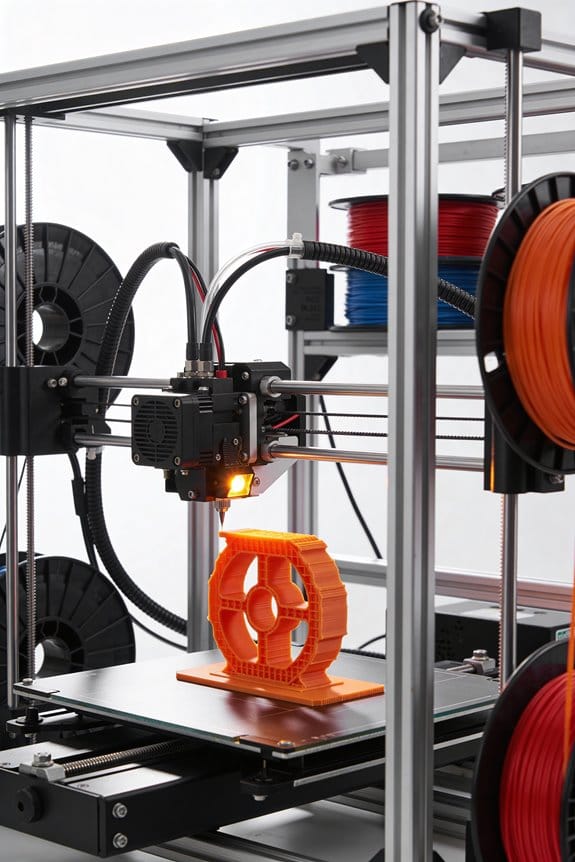
Polymer physics at 500mm/s: learn how faster pull speeds boost stiffness and dielectric strength but cut ductility — tweak temps and tension to optimize. Act now.
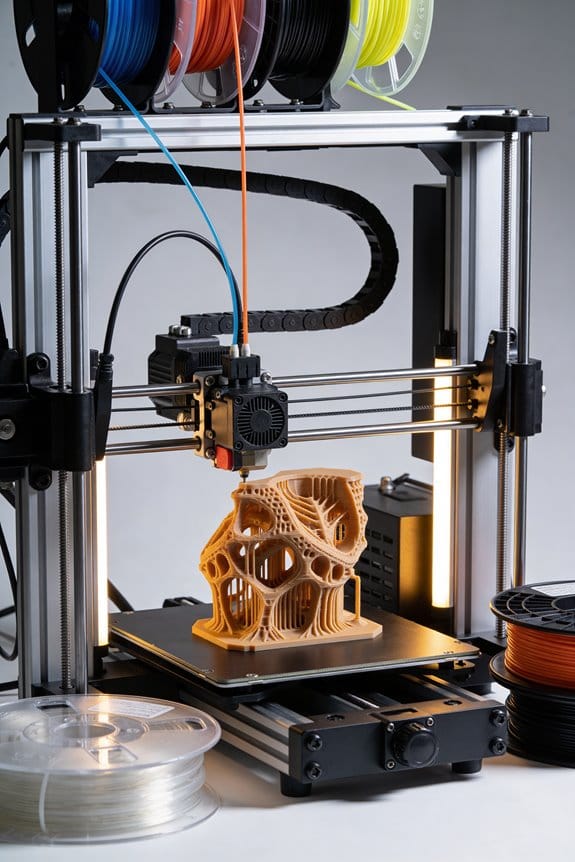
Organic tree reduces wasted filament with thin, hollow branching supports that speed prints and ease cleanup—see settings, savings, and optimize now.
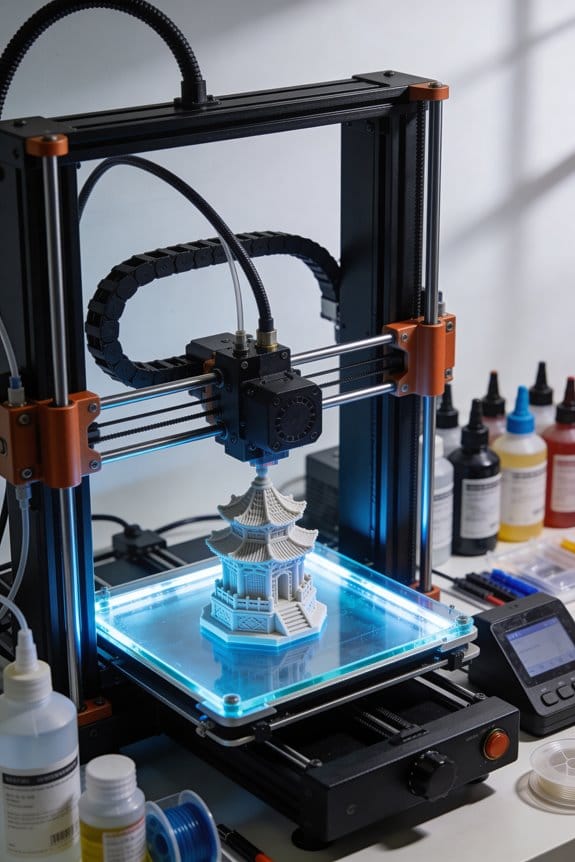
Water-washable resins: learn how hydrophilic chemistry eases cleanup vs. standard resins’ strength and moisture resistance—discover which suits your prints.

How RepRap turned open designs into the first affordable desktop 3D printer, sparking DIY makers and startups — learn the story and get inspired.
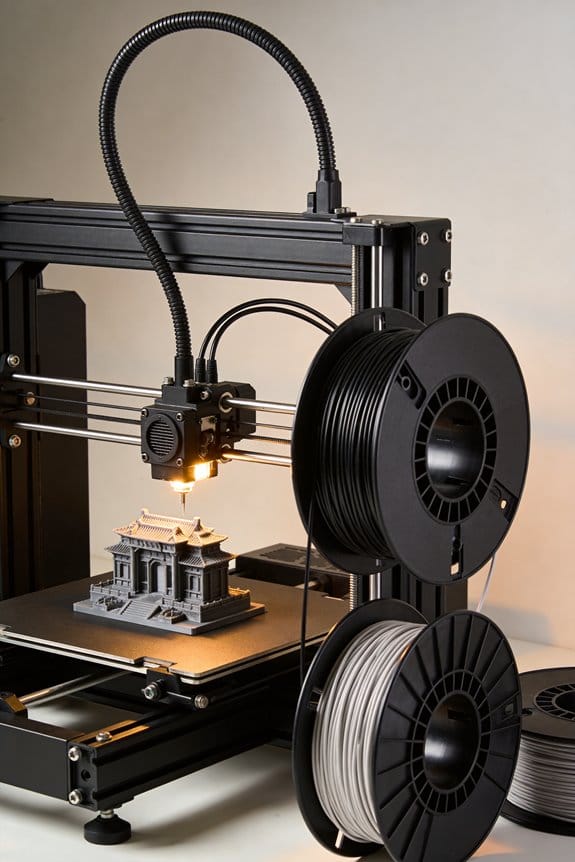
How Creative Commons licensing shapes 3D model sharing online—learn how choices affect reuse, sales, and remixing. Get clear guidance and decide smartly.

PEEK vs PEI explained: choose PEEK for tough, high‑temp, long‑life parts or PEI for precise, cost‑friendly ones—learn processing and design tips, read on.