The Microplastic Risk: Safe Sanding and Processing of 3D Printed Parts
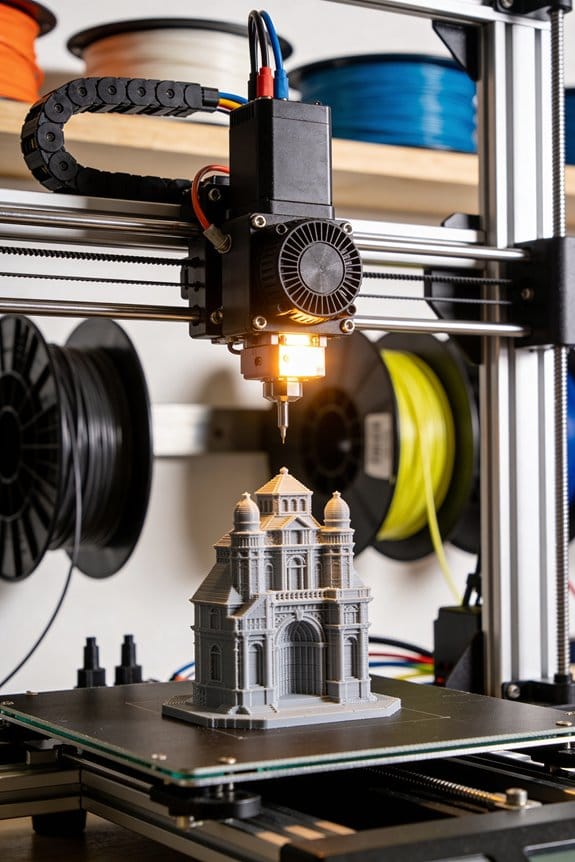
Microplastic risk? Learn safe sanding and processing of 3D printed parts to cut ultrafine particles and VOCs—use source capture, HEPA filters, PPE, and clean-up. Get steps now.


Microplastic risk? Learn safe sanding and processing of 3D printed parts to cut ultrafine particles and VOCs—use source capture, HEPA filters, PPE, and clean-up. Get steps now.
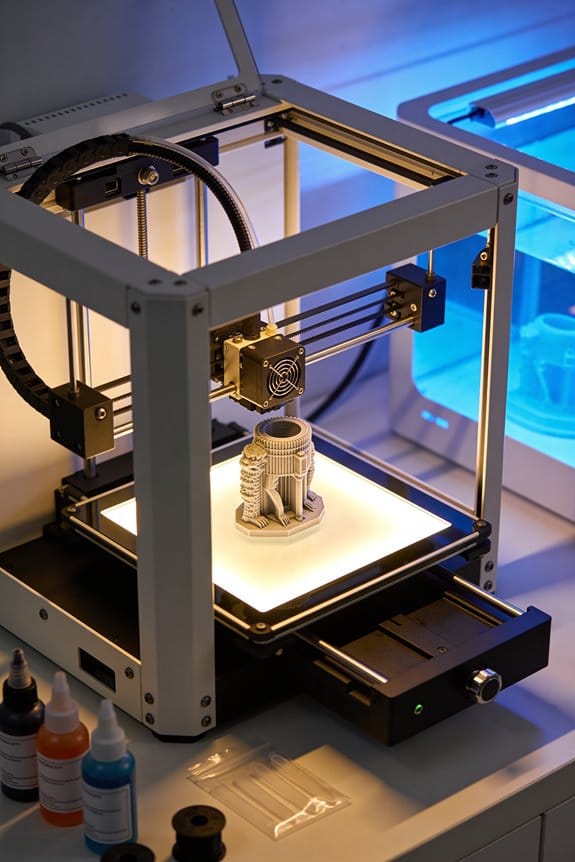
Monochrome LCD screens speed resin curing ~6× by letting more UV reach photoinitiators, cutting exposures to 20–40% of RGB times. Learn tuning tips.
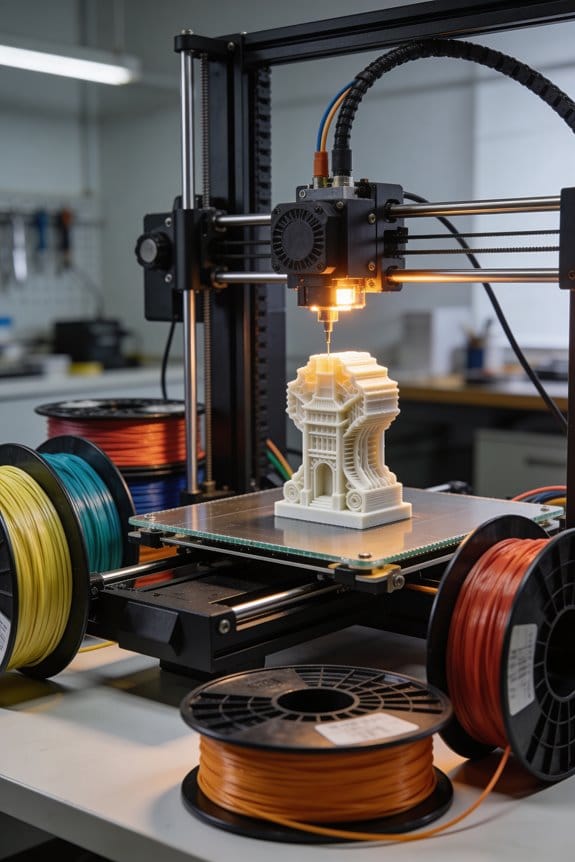
3D printing's rise from lab demos to a global maker movement shows how community skills and online hubs enable DIY production—discover how and get started.
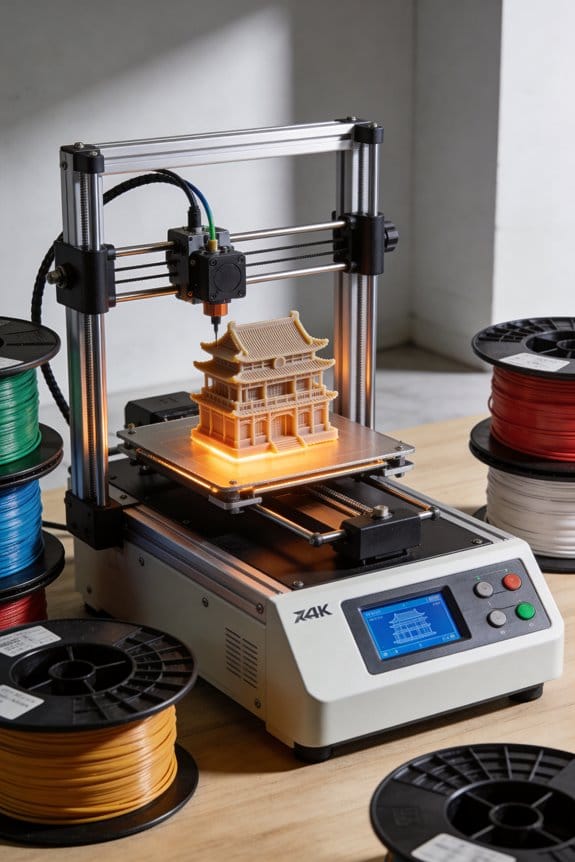
PEI build plates give reliable bed grip for PLA, PETG, ABS at 50–100°C; glass and G10 have trade-offs—learn the best setup tips. Get started now.
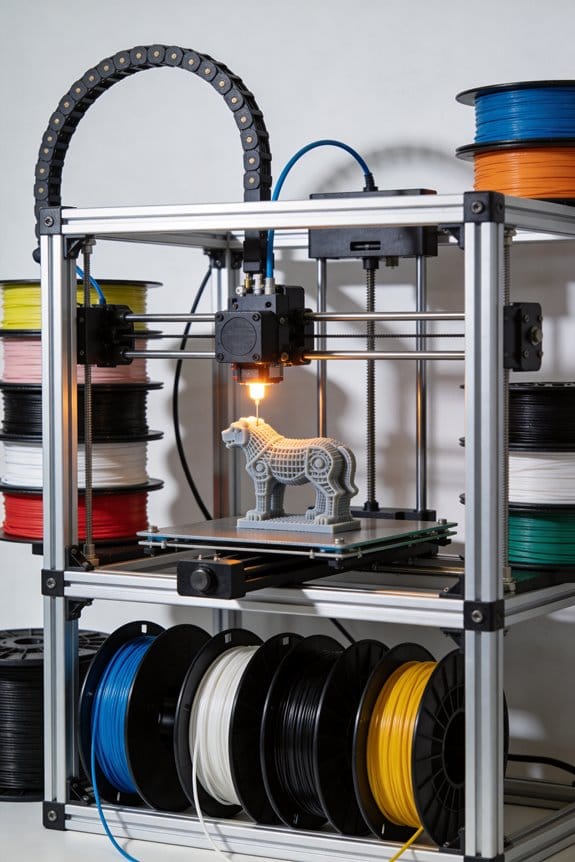
Slicer telemetry helps us turn anonymized cloud data into better default print profiles, boosting first‑print success—see how and try it yourself.
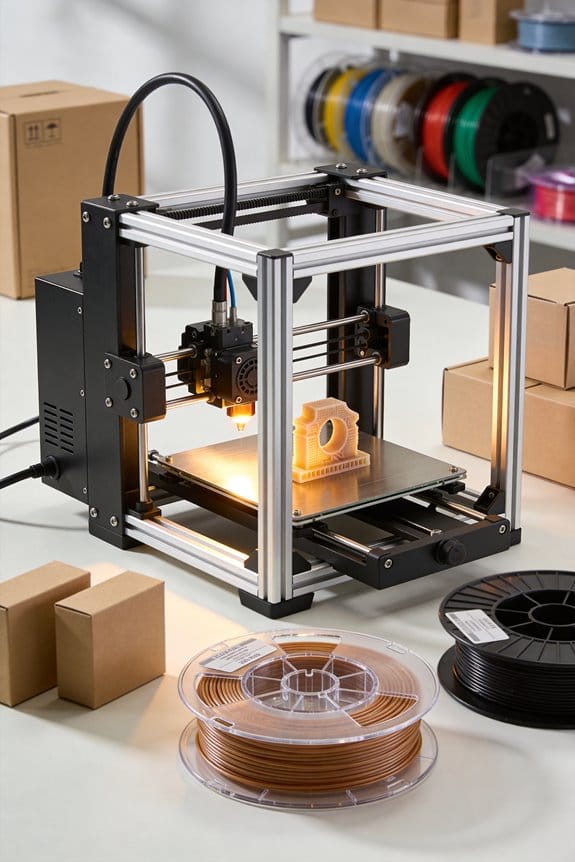
Spool-less filament refills cut e-waste by removing bulky spools and packaging, lowering costs and shipping — learn practical steps to get started.

Auto bed leveling options explained: inductive, capacitive, and strain‑gauge pros/cons so you pick the right probe—read now to choose confidently.
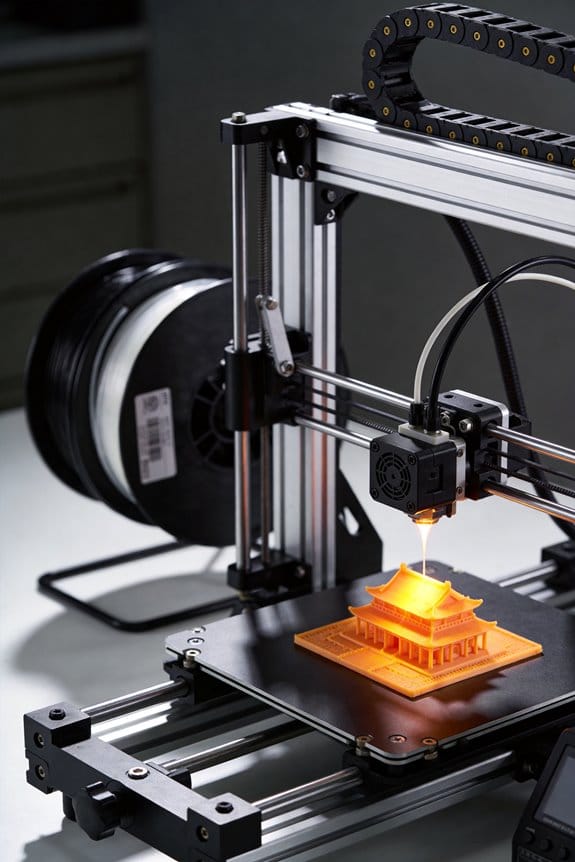
Collaborative print farms link local 3D printers and mills to cut lead times from weeks to days, prevent stockouts, and boost resilience—learn how.
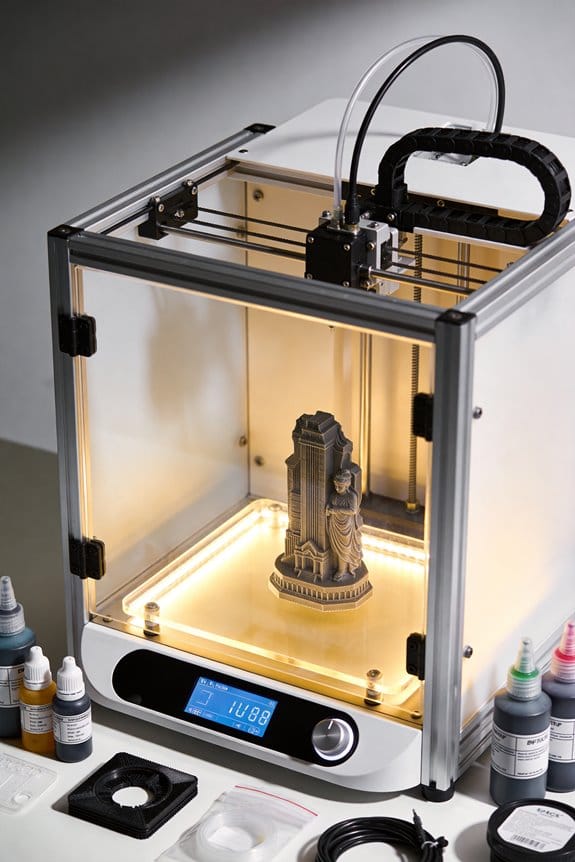
DLP vs. LCD optics: learn which resin light engine gives sharper prints, faster cures, and finer detail—read tests, tuning tips, and buyer's advice now.

Input shaping stops ghosting and ringing by timing motion impulses to cancel resonance, so prints get cleaner and faster—learn how step-by-step.