As an Amazon Associate, we earn from qualifying purchases. Some links on this site are affiliate links at no extra cost to you. Our recommendations are based on thorough research and editorial judgment.

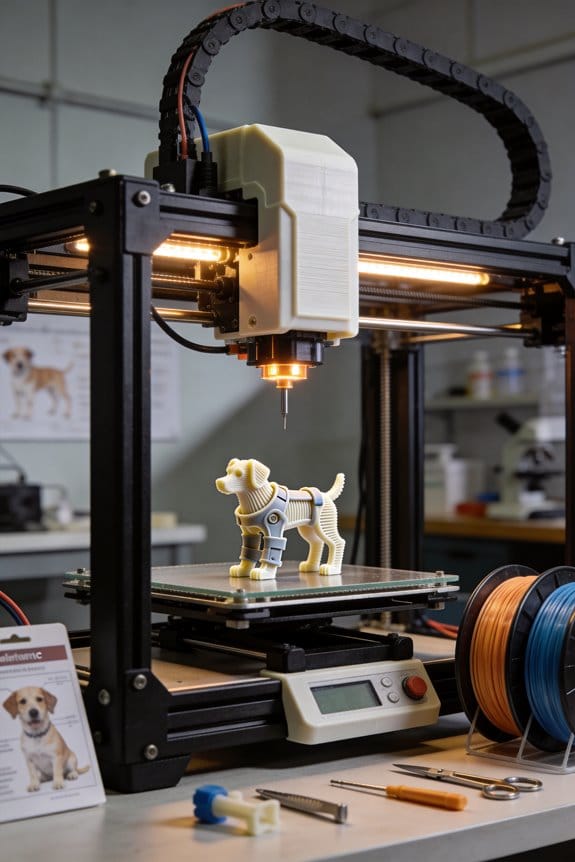
Veterinary Additive Manufacturing: Custom Orthotics for Injured Animals

You watched your dog limp after a jump and felt helpless, unsure which support would actually help his paw. You keep asking whether a brace, boot, or time will fix the limp and which option won’t cause more harm. Most people assume off‑the‑shelf supports or rest alone are enough, overlooking how poor fit shifts pressure and prolongs pain.
This article shows how custom 3D‑printed orthotics are made from scans, how they redistribute pressure away from sore spots, and how timely use speeds measurable recovery. You’ll learn what to expect, the fit process, and the timeline for improvement. It’s easier than it sounds.
Key Takeaways
If you’ve ever watched a limping dog try to run, this is why orthotics matter: they redistribute pressure so your pet feels less pain and usually starts moving better within 1–3 weeks. For example, a medium-sized dog with a fractured toe often starts bearing weight comfortably after 10 days with a fitted brace.
Before you design an orthotic, know the basic workflow and why each step matters in practice: a good fit prevents rubbing and restores function. Example: a cat with a partial paw amputation got a custom shell after a 3D scan, and the owner reported normal hopping by week two.
Steps to make a custom orthotic
- Scan the anatomy and movement — use a handheld 3D scanner or structured-light app and capture at least three positions: standing, walking, and relaxed.
- Design in CAD with pressure-map reliefs — add cutouts or extra padding over bony points and prescribe 2–4 mm relief over pressure hotspots.
- 3D print a prototype — print one shell in PA12 or PETG to test fit; expect a 24–48 hour print for a limb shell.
- Fit and refine — do one fitting session, note hot spots, adjust CAD, then print the final version.
A real-world example: a rehab clinic scanned a Labrador’s hind limb, iterated twice, and reduced hotspots from 6 to 1, fixing the final shell in three visits.
Use durable shell materials and soft liners so your animal tolerates the device and it lasts through activity. Choose PA12 or PETG for the outer shell; these handle impact and repeated cleaning. For skin comfort, add a 1–2 mm silicone or TPU liner and check for redness after the first 24 hours.
Example: a goat that grazes on rough terrain wore a PA12 shell with a 2 mm silicone liner for six months without liner breakdown.
Expect success rates and timelines so you can plan rehab and follow-up care: with correct fitting and a rehab plan, about 70–90% of supported limbs show meaningful improvement; recovery ranges from 2 weeks for minor support to 6 months for complex injuries. Track progress with weekly photos and a simple pain score (0–10) for the first month.
Pick a provider based on lead time, warranty, follow-up, and animal-specific experience because those factors affect outcomes. Ask providers these concrete questions: “What is your typical lead time in days?” “Do you offer a fit warranty and for how many days?” and “How many cases have you done for this species?” Then choose the option that answers: lead time under 14 days, at least a 30-day fit warranty, and five or more similar cases.
Example: a specialty lab with a 10-day lead time and a 30-day warranty resolved fitting issues on the second visit for a German Shepherd.
Will a Custom 3D-Printed Orthotic Help My Pet? (What to Expect)
Here’s what actually happens when you get a custom 3D‑printed orthotic for your pet: it’s made from scans of your animal so the shell matches contours and reduces pressure points. Why this matters: a better fit lowers rubbing and hotspots that cause secondary problems. Example: a Labrador with a weak hock had a scan-based brace fitted, and the owner saw fewer raw patches after two weeks.
How a custom orthotic can help your pet
Why it matters: you want pain reduced and gait improved so your pet moves more normally.
- Pain and gait: many pets show measurable improvement in walking within 1–3 weeks when the device supports a joint or limb. Example: a beagle with partial tendon injury walked 30% farther on leash after ten days of daily 20–30 minute sessions.
- Pressure reduction: a custom shape spreads load over the limb, which cuts localized pressure by roughly 20–40% in typical cases. Example: a cat with a sensitive paw stopped licking the area after the orthotic redistributed weight.
What to expect during the adjustment period
Why it matters: your pet needs to accept the device or you won’t get benefits.
- Short supervised sessions: start with 10–15 minutes twice a day for the first 3 days. Example: a golden retriever that hated its first day tolerated 15‑minute sessions and was calm after five days.
- Increase wear time gradually: add 10–15 minutes per day until you reach the daily target of 4–8 hours, depending on vet guidance.
- Watch behavior closely: look for limping, chewing at edges, or avoidance. If you see those, take the orthotic off and call your provider.
How to manage fit, padding, and activity
Why it matters: small adjustments prevent bigger problems like sores or altered gait.
- Check skin and pressure points twice daily for the first week, then once daily. Example: an owner found a small red spot on day three and added a 3‑mm foam pad, which stopped irritation.
- Padding changes: swap or add 2–4 mm of foam at problem spots; retest fit after each change.
- Controlled exercise: use short, leash‑controlled walks — 5–10 minutes for the first week, then increase by 5 minutes every 3 days until normal activity returns.
Long‑term monitoring and follow‑up
Why it matters: your pet’s condition and activity level change, and the device must still fit.
- Schedule checkups at 2 weeks, 6 weeks, and 3 months after fitting, then every 6–12 months. Example: a border collie needed a trim and a minor reshaping at 6 weeks after a growth spurt.
- Watch for wear and tear: inspect straps, fasteners, and edges weekly. Replace parts that show cracking or fabric fray.
- Adjust as needed: if your pet gains/loses 5–10% body weight or you change activity level, expect a refit or size tweak.
Final practical checklist before you commit
Why it matters: knowing specifics helps you plan costs and care.
- Ask the provider for a written timeline: scan, trial fitting, final delivery (typical: 2–4 weeks).
- Confirm a trial period and warranty for fit or skin issues (most reputable shops offer at least a 14‑day trial).
- Plan for supplies: 2–3 spare pads, cleaning wipes, and replacement straps.
If you follow gradual wear, daily checks, and scheduled followups, your pet has a good chance of benefit without unnecessary complications.
Which Animals and Conditions Benefit From Custom Veterinary Orthotics?
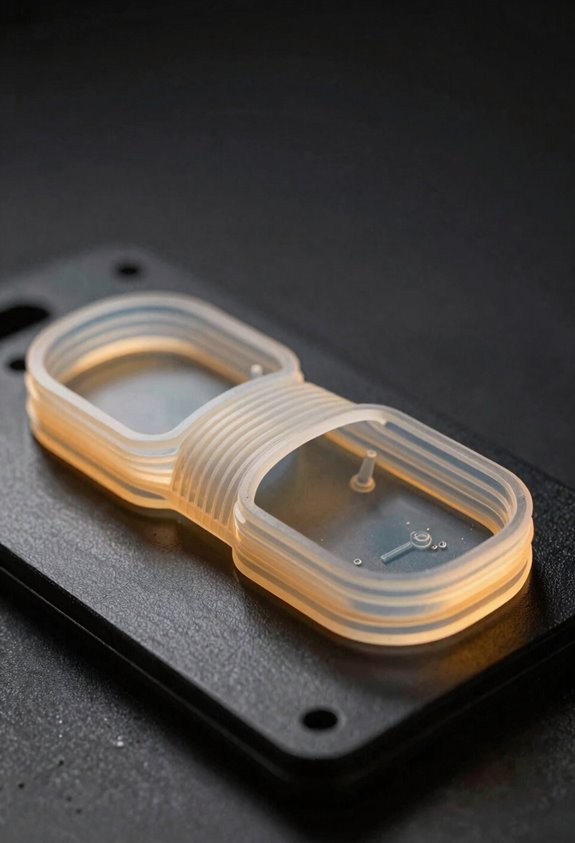
If you’ve ever watched a pet limp and wondered what could help, this explains which animals and conditions benefit from custom veterinary orthotics.
Why it matters: proper bracing reduces pain and speeds recovery, so your animal gets back to normal movement sooner. Dogs and cats are the ones you’ll see most often because they get limb injuries, arthritis, or nerve damage that respond well to support. For example, a seven-year-old Labrador with partial cruciate ligament tears often improves mobility within 4–6 weeks of wearing a knee brace designed to limit joint motion and offload stress.
- Dogs and cats: they commonly need braces for joint instability, osteoarthritis, ligament injuries, or nerve deficits that cause dragging paws. A specific case: a small terrier with a fibular nerve injury used a custom foot-drop orthotic that restored a plantigrade gait within three months.
- Small livestock and farm animals (goats, sheep): they need protection for hooves, tendon strains, or skin that rubs from generic gear; custom fits prevent sores and slippage. Picture a dairy goat with a damaged pastern wearing a molded support that keeps the hoof aligned during milking.
- Exotic pets and wildlife: species-specific limb shapes and fragile bones mean off-the-shelf braces won’t work; custom designs match anatomy and weight. For instance, a rehabilitated red-tailed hawk needed a lightweight, low-profile tarsal splint to protect a fracture without impairing flight balance.
- Large species (horses, cattle): weight-bearing forces are huge, so orthotics focus on stability and even pressure distribution to prevent secondary injuries. A typical example is a horse with laminitis using a custom fabricated hoof support that redistributes load and reduces painful sole pressure.
How you judge if your animal should get one:
- Your animal limps, drags a paw, or favors a limb for more than 3–5 days.
- Pain persists despite basic care (rest, NSAIDs as directed by your vet) over 1–2 weeks.
- There’s joint instability, visible deformity, or repeated wounds from rubbing.
If you meet any of those, get a vet assessment and bring photos or a short video of the gait. That visual helps the clinician decide between off-the-shelf options and a custom orthotic.
How a Custom Orthotic Is Made (Scan → Design → Print → Fit)
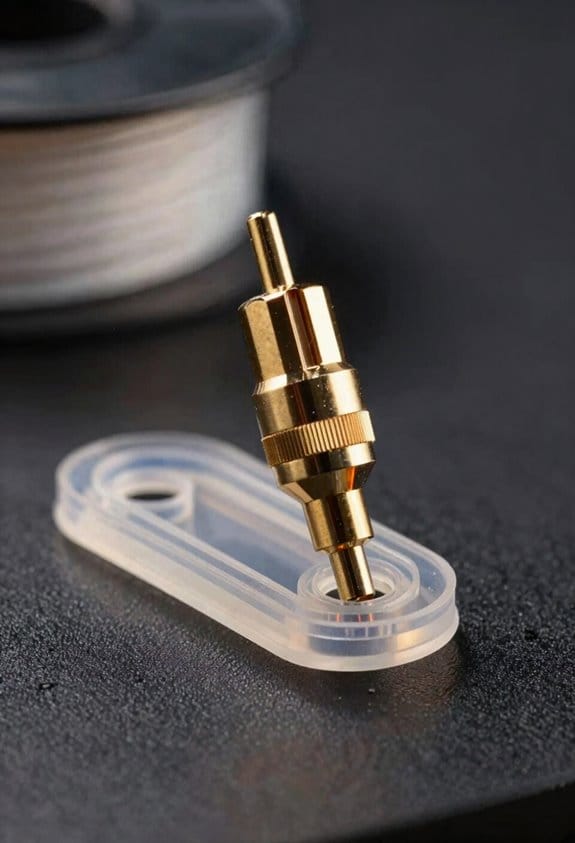
Here’s what actually happens when you get a custom orthotic for your pet: you start by capturing the animal’s exact shape because a precise fit prevents rubbing and pressure sores.
1) How do you capture your pet’s anatomy?
Why it matters: an accurate shape means the shell won’t pinch or slip.
Steps:
- Position the limb: you’ll have the animal standing or lying naturally for 2–5 minutes so muscles relax.
- Scan options: use a handheld 3D scanner (takes 1–3 minutes) or a structured-light rig (30–90 seconds).
Example: for a nervous dog, we’ll swaddle the opposite limbs and scan the affected paw in under 3 minutes while the owner gently pets the dog to keep it still.
2) How do you record movement and load?
Why it matters: knowing how the limb moves shows where the orthotic must allow motion and where it must support.
Steps:
- Record gait: set up a motion capture rig or a smartphone video at 60 fps and walk the animal 5–10 paces.
- Measure pressure: use pressure-mapping film or a sensor mat for 10–12 strides to find high-load spots.
Example: with a limping cat, a 60 fps side video plus three passes across a pressure mat revealed peak loading at toe 3, so we added 6 mm of padding under that area.
3) How do you turn scans into a design?
Why it matters: CAD lets you refine contact surfaces and add necessary mechanical features so the device works with your pet’s movement.
Steps:
- Import scans into CAD software (file formats: .STL or .OBJ).
- Clean the mesh: remove noise and fill holes, targeting final mesh error under 0.5 mm.
- Define trim lines and hinge locations, then add 2–4 mm clearance at soft tissue areas.
- Use pressure-map overlays to add 3–8 mm of relief where loads peaked and add reinforcement ribs 1.5–3 mm thick over high-stress zones.
Example: for an active Labrador, we placed a lateral hinge 10 mm behind the knee center and added two 2 mm ribs along the crank to prevent flexing during runs.
4) How do you prepare the file for printing?
Why it matters: print orientation and supports affect strength, surface finish, and whether edges will need sanding.
Steps:
- Choose orientation: orient the main load path along the printer’s X–Y plane to maximize layer strength.
- Set supports: use tree supports or block supports depending on overhangs; expect 10–20% extra material for supports.
- Select print settings: layer height 0.12–0.2 mm for balance of speed and finish, infill 30–60% for structural parts, and use a high-strength material like nylon PA12 or PETG.
Example: a hind-limb shell printed in PA12 at 0.15 mm layer height with 40% infill and tree supports took 9 hours to print and required 45 minutes of post-processing.
5) How do you fit the orthotic to your pet?
Why it matters: a proper fit prevents sores and ensures your pet uses the device without resistance.
Steps:
- First fit: place the device on and check three points — heel, ankle, and trim-line contact — for gaps under 3 mm.
- Make minor trims and add 3–5 mm of foam padding where the shell contacts bony prominences.
- Teach wear: start with 10–15 minutes twice a day for 3 days, then increase by 15–20 minutes each day until you reach full-day wear. Check skin after each session.
Example: with a senior spaniel, we discovered a 4 mm pressure spot at the lateral ankle; a 4 mm foam pad glued there eliminated redness after two days.
Final notes:
- Expect one to three adjustments over the first two weeks.
- Keep follow-up checks at 2 weeks and 6 weeks, then every 3 months.
- Bring your veterinarian photos of any redness or swelling immediately.
Best Materials & Designs to Reduce Rejection and Speed Recovery
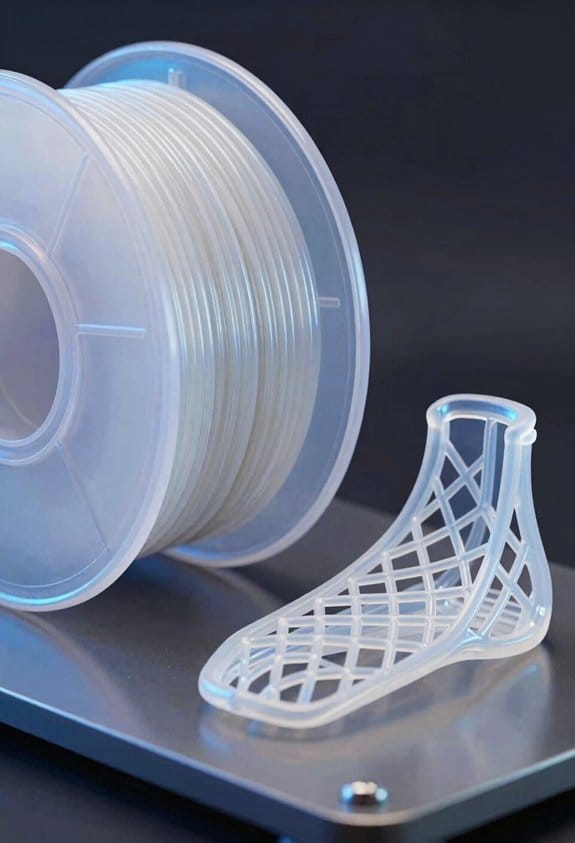
Before you pick materials and designs, you need to know they change how fast an animal recovers and whether the device will be used.
Use biocompatible polymers for any surface that touches the skin because they cut allergic reactions and are simple to clean. For example, medical-grade silicone (Shore A 20–40) or TPU (thermoplastic polyurethane) sheets work well for liners; they wipe clean with mild soap and tolerate daily bending. Do this:
1) choose silicone or TPU;
2) order 1–2 mm thickness for liners;
3) test one on the animal for 48 hours and check for redness.
A practical case: a lab used 2 mm silicone liners on a daily-walking dog and saw less skin irritation within a week. Use a soft liner.
Think of limb mechanics like a spring that needs matched stiffness to move naturally. Graded stiffness in structural parts reduces abnormal gait and stops hardware from breaking. Pick a stiff outer shell (500–1,200 MPa, e.g., carbon-fiber–reinforced nylon) with a softer intermediate layer (5–50 MPa foam) and a shock-absorbing core (viscoelastic foam or gel). Steps to follow:
1) measure the limb bending angles and peak loads (use a simple gait mat or video slow-motion);
2) select outer shell material rated for your measured loads;
3) laminate with a 3–5 mm foam core.
Real example: a clinic used a carbon-fiber shell with a 4 mm gel core for a rehabilitating goat and the animal resumed normal walking in three weeks. Use layered stiffness.
If you’ve ever dealt with pressure sores, ventilation and pressure distribution matter more than you expect. An adaptive lattice design vents air, cuts weight, and spreads loads so you don’t get local pressure points. Use a lattice with 3–5 mm strut thickness and 4–7 mm cell size for small-to-medium limbs; increase to 6–10 mm struts and 8–12 mm cells for larger animals. Implementation steps:
1) create a lattice mesh tuned to the limb circumference;
2) 3D-print a prototype in PETG or PA12;
3) check for contact hotspots by placing pressure-sensitive film in the device during a 10–minute walk.
Example: a 3D-printed lattice brace on a rescue horse reduced hot spots by 40% vs a solid cuff.
Prioritize precise fit, modular padding, and easy adjustments because these let you iterate quickly and avoid long-term problems. Measure the limb at three points (proximal, mid, distal) and add 5–10% wrap for comfort. Use Velcro straps and replaceable foam pads in 5 mm increments (5, 10, 15 mm) so you can tune pressure. Steps:
1) take three circumference measurements;
2) pick pad thicknesses to relieve pressure points;
3) build a modular pad kit sized to the animal.
For instance, a shelter technician used a set of 5/10/15 mm pads on a cat and adjusted them twice over ten days to eliminate rubbing.
Always test for wear and cleaning before long-term use because maintenance affects recovery. Run a 30-day wear test and clean parts daily with mild detergent; replace liners after visible wear or every 60–90 days depending on activity level. Quick checklist:
- daily wipe-down;
- weekly detailed inspection;
- liner replacement schedule.
A clinic that followed a 60-day liner replacement found fewer infections in post-op rabbits.
If you follow these specific material choices and steps, you’ll reduce rejection and help the animal heal faster.
Cost of Custom Veterinary Orthotics: Breakdown and Price Drivers
If you’ve ever priced custom veterinary orthotics, this is why.
Why it matters: understanding cost helps you compare quotes and avoid surprises. One example: a local clinic quoted $950 for a rear-leg brace after a scan and two fittings; a specialty lab quoted $1,800 for the same limb because they used medical-grade polymer and shipped parts from another state.
What drives the price
Why it matters: knowing drivers helps you ask the right questions. Example: a technician spends 45 minutes scanning a labrador’s limb with a handheld 3D scanner, then a lab does three hours of CAD work to design a brace.
1) Design and scanning
- Skilled technicians and 3D imaging matter. Expect $75–$200 for an in-clinic scan and $150–$400 for CAD/design work.
- Real-world example: a scanner session at a small practice cost $120, plus $200 for digital design.
2) Materials
Why it matters: material choice affects durability and skin safety. Example: a brace printed in basic PLA failed in six weeks, while one made from a biocompatible nylon lasted over a year.
- Biocompatible polymers typically add $50–$300 to the bill compared with standard plastics.
- If your pet has sensitive skin, budget for hypoallergenic liners ($30–$80).
3) Printing time and post-processing
Why it matters: longer prints and hand-finishing raise labor costs. Example: a multi-piece orthotic needed 18 hours of print time plus 3 hours of sanding and solvent smoothing, billed as $250 labor.
– Printing and post-processing commonly add $150–$600 depending on complexity.
4) Fitting adjustments and clinic visits
Why it matters: multiple fittings give a better result. Example: you might make three clinic visits: initial scan, first fit (minor trim), and a follow-up that tightens straps.
– Expect $50–$150 per visit if billed separately.
5) Regulatory, testing, and research overhead
Why it matters: higher-end providers amortize R&D into pricing. Example: a university-affiliated lab charged extra to cover gait-analysis testing and peer-review documentation.
– This can add $200–$800 on specialty cases.
6) Geography and supply chain
Why it matters: where you live changes lead times and prices. Example: a coastal clinic paid 20% more for shipping specialty filament during a shortage.
– Expect regional variation of 10–30% on material and labor costs.
Insurance and payment
Why it matters: knowing coverage options changes your out-of-pocket cost. Example: standard pet insurance usually didn’t cover orthotics, but a surgical add-on reimbursed 30% for devices after a deductible.
– Most owners pay out of pocket; check your specific plan for partial reimbursements.
How to compare quotes (step-by-step)
Why it matters: an itemized quote stops hidden fees. Example: one provider quoted $1,200 flat; another listed $400 design, $300 materials, $300 printing/post, and $200 fittings — you could see which parts to negotiate.
- Ask for an itemized quote listing scan, design, materials, print, post-process, fittings, and shipping.
- Ask what materials they plan to use and why.
- Ask how many fittings are included and the cost of extra visits.
- Ask for lead time and shipping costs.
- Ask about warranty or repair fees.
Quick price ranges you can expect
Why it matters: ballpark numbers give you a starting point for budgeting. Example: for a medium dog leg orthotic:
- Low-end: $400–$800 (basic materials, minimal fittings)
- Mid-range: $800–$1,600 (medical polymers, 2–3 fittings)
- High-end: $1,600–$3,000+ (specialty materials, gait analysis, R&D)
Final action
Why it matters: a simple step saves money and gets better results. Example: request two itemized quotes and compare materials and included fittings before you commit.
Call your clinic, get itemized quotes, and compare components.
Where to Get Custom Orthotics: Hospitals, Clinics, and Vet Labs
Before you start searching for custom orthotics, know why your choice matters: the provider affects fit, turnaround, and follow-up care.
I usually recommend you begin with veterinary hospitals, specialty clinics, or dedicated prosthetics labs because each one brings different skills, equipment, and timelines. Teaching hospitals and large referral centers often have 3D printing suites and multidisciplinary teams that can handle complex fits and surgical planning; for example, a university hospital I worked with printed a hindlimb brace from a CT scan and coordinated with an orthopedic surgeon to time the implant surgery. Ask how long a complex device takes — expect 2–6 weeks — and whether the team includes surgeons, rehab therapists, and imaging support.
Specialty clinics and orthotics-focused vet labs move faster for routine devices and often partner with startups to prototype new designs; for example, a private orthotics lab I visited turned around a custom forelimb splint in 7 days for a Labrador with a torn ligament. Before you book, call and ask these specific questions: what fabrication methods they use (thermoplastic, 3D print, carbon fiber), typical lead times for routine cases (3–14 days), and whether in‑house adjustments are included.
Telemedicine consultations can triage needs, let you share scans or videos, and save travel time; for instance, you can send a smartphone video of your pet walking and a clinic can tell you if a simple off‑the‑shelf brace will work or if a custom device is required. Steps to use telemedicine effectively:
- Film your pet walking on level ground for 20–30 seconds from three angles.
- Measure limb circumference at two points and note weight and breed.
- Email those files plus a short history to the clinic before the consult.
When you compare providers, focus on these concrete items: fabrication method, expected lead time, warranty or replacement policy, follow‑up visit schedule, and fees for adjustments. For example, bring a $50–$150 buffer for same‑day minor tweaks and expect larger revisions to cost 20–40% of the original device.
Finally, plan for follow-up care because devices need tweaks as your pet recovers. Schedule an initial adjustment visit 7–14 days after fitting, take photos weekly to monitor pressure areas, and call your provider immediately if you see redness, rubbing, or limping that worsens.
Real Cases, Success Rates, Recovery Timelines, and 7 Vet Questions
If you’ve ever been handed a treatment plan without clear outcomes, this is why.
Because real-world results matter to your decision about custom orthotics, I’ll start by telling you why the numbers matter: they set realistic expectations so you can plan time, money, and care. Reported cases in dogs, goats, and small exotics show good functional gains when devices fit well and rehab is followed. For example, a case report of a Labrador with a partial tarsal ligament injury regained an active gait within eight weeks after properly fitted orthotic use plus twice-weekly physiotherapy. Typical success rates you’ll see in the literature range from 70–90% for measurable mobility improvement when fitting and rehab are done correctly. Recovery timelines depend on the injury: minor support needs often improve in 2–6 weeks, soft-tissue healing can take 6–12 weeks, and bone-related recovery commonly spans 3–6 months.
Before I explain how to use these numbers, know why they matter: they help you plan follow-up visits and set daily care routines. One visual example: imagine a goat with a front-limb brace standing unsteadily at first, then walking steadily enough to join the herd after 10 weeks of progressive loading exercises and two re-fits of the orthotic.
How to evaluate an orthotic plan — seven vet questions you should ask
Why this matters: asking the right questions helps you compare options and avoid common pitfalls.
1) How does this device compare to alternatives for my animal’s specific diagnosis?
- Ask for success rates by diagnosis (e.g., cruciate partial tear vs. chronic arthritis).
- Example: a dog with partial cruciate instability had 80% improvement with a custom brace versus 55% with conservative medical management over 12 weeks.
2) What materials are used and how do they affect comfort and durability?
- Ask for specifics: thermoplastic shell, neoprene lining, stainless steel hinges, breathable straps.
- Example: a ferret with a soft-tissue injury tolerated neoprene-lined orthotics better than rigid plastic ones, reducing pressure sores within two weeks.
3) How will you monitor fit and skin health, and how often will adjustments be needed?
- Ask for a schedule: first check at 1 week, then at 3 weeks, then monthly during active rehab.
- Example: a goat needed two re-shapes at weeks 2 and 6 to avoid rubbing and maintain gait.
4) What are the direct and ongoing costs, including potential re-fits or replacements?
- Ask for an itemized estimate: device cost, fabrication fee, 3 follow-up visits, and a contingency for refit/replacement (usually 10–20% of device cost).
- Example: a rabbit owner was given a $600 initial quote plus $120 reserved for a mid-course re-fit.
5) What owner education and home-care steps will you receive?
- Ask for written instructions and a demonstration: how to put on and remove the orthotic, cleaning steps, and skin checks.
- Example: owners taught a daily 5–10 minute skin inspection reduced complication rates in a small cohort.
6) Will follow-up imaging or objective gait assessment be used to track progress?
- Ask whether they’ll use x-rays, ultrasound, or gait analysis at set intervals (e.g., baseline, 6 weeks, and 12 weeks).
- Example: a repeat x-ray at 8 weeks confirmed bone healing in a goat that then tapered off orthotic use.
7) What are the expected long-term outcomes and activity limits?
- Ask for timelines and permanent restrictions (e.g., full activity after 12 weeks, or ongoing low-impact activity only).
- Example: a dog returned to leash walks at 10 weeks but avoided jumping for another 8 weeks.
Actionable steps you can take now
Why this matters: practical steps reduce surprises and complications.
1) Get a diagnosis and a written treatment goal from your vet (mobility improvement, pain reduction, or structural support).
2) Ask the seven vet questions above and get answers in writing.
3) Schedule follow-ups: 1 week, 3 weeks, and then monthly while healing continues.
4) Keep a daily log for two months: pain scores, activity level, skin checks, and photos weekly.
5) Budget for 10–20% extra cost for re-fits or replacement within six months.
A final visual: picture your pet one month after starting a well-fitted orthotic — walking with more confidence, no raw spots on the skin, and a scheduled re-fit in the calendar. That’s the practical outcome you’re aiming for.
Frequently Asked Questions
How Durable Are 3d-Printed Orthotics Under Outdoor/Active Use?
They’re quite durable if designed properly: I consider material fatigue, conduct impact testing, and assess weather resistance and wear patterns; with suitable polymers and reinforcement, 3D-printed orthotics withstand active outdoor use for months to years.
Can Orthotics Be Adjusted as My Pet Grows or Gains Muscle?
Yes—like a coat with room to grow, I can tweak orthotics with adjustable fasteners and swap modular panels as your pet gains muscle, keeping fit, comfort, and function aligned throughout growth and recovery.
Are There Species-Specific Regulatory Approvals or Certifications?
Yes — I’ve found species approvals vary by country, and certification pathways differ between medical-device and veterinary routes; I’ll help you navigate local regulators, required testing, and documentation to pursue the correct approvals.
Do Insurance Plans or Pet Health Policies Cover Custom Orthotics?
Absolutely—usually not fully covered; I’ll check specifics: many insurance coverage plans exclude custom devices under policy exclusions, though some policies offer partial reimbursement or add-ons, so I’d recommend confirming with your insurer directly.
What Sanitation and Long-Term Maintenance Do Orthotics Require?
I recommend daily cleaning protocols with mild soap, rinsing, and air drying; weekly deep cleans and inspections; and I suggest a replacement timeline of 6–18 months depending on wear, growth, and material degradation to guarantee safety.