As an Amazon Associate, we earn from qualifying purchases. Some links on this site are affiliate links at no extra cost to you. Our recommendations are based on thorough research and editorial judgment.

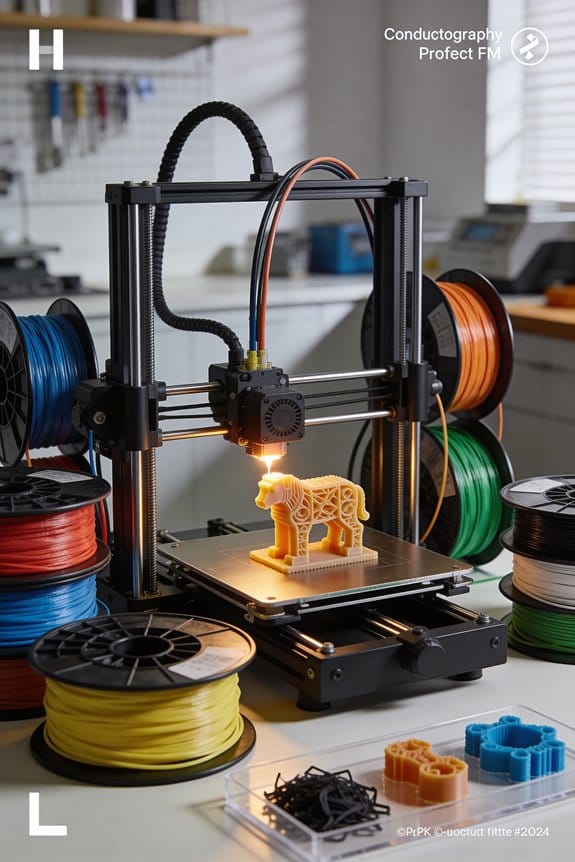
Upcycling Failed Prints: Techniques for Melting and Remolding Filament Waste

You stare at a warped PLA print and a bin full of failed PETG and ABS parts, wondering if they’re trash or salvageable. You can’t tell which pieces to combine, how to remove glue or supports safely, or how to get consistent melting without ruining your printer stock. Most people think simply re-melting everything together works, which leads to brittle, inconsistent filament or clogged extruders.
This article shows exactly how to sort by polymer, clean contaminants, and shred to consistent 3–10 mm flakes, then dry and either oven-melt sheets or extrude usable filament while measuring diameter and blending up to ~30% new material. You’ll finish with repeatable prints and less waste. It’s easier than it looks.
Key Takeaways
Section 1 — How should you sort failed prints before processing?
Here’s what actually happens when you mix different polymers and colors during remelting: you’ll end up with ruined melts, weak material, or unexpected colors.
Why this matters: mixing polymers or contaminated parts can destroy an entire batch of reclaimed filament.
Example: I once fed a PETG part into PLA flakes and got a floppy, bubbled sheet that couldn’t be printed.
Steps:
- Sort by polymer type: PLA, PETG, and ABS each go in their own bin.
- Sort by color next: keep whites and yellows separate from darks and blacks.
- Remove contaminants: take out supports, wood-fill bits, metal inserts, and labels by hand before shredding.
Tip: mark bins with a permanent label and date so you don’t forget what you mixed.
Section 2 — How should you prepare parts for consistent melting and feeding?
Before you remelt, you need to reduce parts to small, uniform pieces so they melt evenly and feed without jamming.
Why this matters: large or irregular chunks cause uneven melting and clogging in extruders or ovens.
Example: I once tried to oven-melt whole brackets and ended up with a half-melted lump and scorched edges.
Steps:
- Cut or shred parts to 3–10 mm flakes.
- Sieve the flakes and re-shred anything larger than 10 mm.
- Aim for a consistent particle size to ensure even heat penetration.
Section 3 — How should you dry flakes and why?
If flakes contain moisture, your melts will bubble, steam, and weaken the final part.
Why this matters: moisture causes hydrolysis in some polymers and bubbles in oven-melted sheets.
Example: a batch of PETG that wasn’t dried produced sheets with pinholes and brittle spots.
Steps:
- Dry PLA at 60°C for 4 hours.
- Dry PETG at 80°C until no hissing is heard, usually 3–6 hours.
- Dry ABS at 100°C for 2–4 hours.
- Store dried flakes in airtight containers with desiccant until you use them.
Section 4 — How should you oven-melt sheets safely and evenly?
The fastest way to get brittle, browned sheets is to pile flakes in a hot pan and walk away.
Why this matters: uneven layers cause bubbles, browning, and weak sheets that won’t print well.
Example: I spread PETG flakes too thickly once and a scorched ring formed around the edges.
Steps:
- Line a metal tray with aluminum foil or a silicone liner.
- Spread flakes in an even layer 3–6 mm thick.
- Heat in an oven at the polymer’s safe melt range (PLA ~180–200°C, PETG ~220–250°C, ABS ~220–250°C) and watch closely; check every 3–5 minutes.
- When the surface looks glossy and fused, remove and cool flat under a board to prevent warping.
Section 5 — How should you blend reclaimed plastic with virgin filament?
You should control blend ratios and record heat history so your filament prints predictably.
Why this matters: reclaimed plastic alters strength and melting behavior; a record helps you replicate successful mixes.
Example: I mixed 20% virgin PLA into reclaimed PLA and kept the same extrusion temp, which produced stable 1.75 mm filament for a month.
Steps:
- Start with up to 30% virgin filament mixed into your reclaimed flakes.
- Record blend ratio, drying time, and temperatures in a simple log.
- Adjust extrusion or oven temps based on trial prints: increase temp by 5–10°C if poor layer adhesion appears.
- Test-print a calibration cube and measure diameter stability before large runs.
Final tip: Always do a small test batch first.
How to Upcycle Failed 3D Prints: Quick Workflow
Before you start, know why this matters: salvaging failed prints saves money and reduces plastic waste.
Here’s what actually happens when you treat failed prints like raw material: you turn trash into filament-ready feedstock. I collect failed pieces in a labeled tote by material type (PLA, PETG, ABS). Example: a box of mixed PLA blops and supports sits by my workbench with a sticky note that reads “PLA — no metal.”
1) Sort and label
Why it matters: mixing polymers ruins the batch and can clog your extruder.
Steps:
- Separate by polymer type using printer settings or print labels.
- Reject anything with glue, tape, or metal inserts.
Example: I found a 10×10 cm heatbed clamp embedded in a pile last month and discarded that whole portion.
2) Prepare pieces for shredding
Why it matters: consistent size makes melting even.
Steps:
- Break large prints down by hand into 2–3 cm chunks.
- Remove supports and rafts; cut thin skins into strips about 5 mm wide.
Example: For a failed 150×150×100 mm vase, I sawed it into 3 cm cubes before shredding.
3) Shred and sieve
Why it matters: uniform particles prevent cold spots and jams.
Steps:
- Use a hobby plastic shredder or small food processor rated for plastics; set shred size to ~3–5 mm.
- Sieve shredded material through a 3.5 mm mesh, re-shred oversized bits, and toss dust under 0.5 mm into the waste stream.
Example: A 1 kg batch of PLA produced 900 g of 3–5 mm flakes and 100 g of fines after sieving.
4) Dry and preheat
Why it matters: moisture causes bubbling and weak filament.
Steps:
- Dry flakes in a convection oven at 60°C for 4 hours for PLA, 80°C for PETG, 100°C for ABS.
- Preheat your extruder to the filament’s normal printing temp (e.g., 200–210°C for PLA).
Example: I dried 500 g of PETG at 80°C and saw extrusion improve within ten minutes.
5) Blend and extrude
Why it matters: adding virgin material restores mechanical strength.
Steps:
- Mix shredded plastic with up to 30% new filament by weight (measure with a kitchen scale).
- Feed the blend into an extruder set to standard melt temperature and maintain steady feed at 2–4 rpm for small desktop extruders.
Example: Mixing 700 g reclaimed PLA with 300 g new PLA produced a spool that printed like fresh filament for functional prints.
6) Work with local makers
Why it matters: sharing tools speeds the process and cuts costs.
Steps:
- Partner with a makerspace or friend who has a grinder or pelletizer; offer a cut of the reclaimed filament for access.
- Store labeled batches in airtight tubs with silica packs and date them.
Example: A neighbor let me use his pelletizer for a 5 kg batch in exchange for half the final spools.
Final practical tips
- Never mix dissimilar polymers; even a 5% mix can cause failure.
- Weigh batches and record temperatures each run to reproduce results.
- Wear gloves and a dust mask when shredding and sieving.
Sort Failed Prints by Material: PLA, ABS, PETG

Before you separate failed prints by polymer, know why it matters: mixing polymers ruins your recyclate and can clog extrusion setups.
Here’s how I sort PLA, ABS, and PETG so your remelt is usable. I work on a table with three labeled bins spaced at least 6 inches apart so pieces don’t overlap; that physical gap cuts cross-contamination. Example: when I processed a failed run of multicolor PLA, keeping bins apart prevented a blue slug from falling into the ABS pile and causing brittle prints later.
1) Set up and label
- Label three bins PLA, ABS, PETG with material name, date, and source.
- Include the heat cycle count if you know it (0–3, 4–7, 8+).
- Example: a bin tag reading “PLA — 2 heats — From calibration prints” helped me track which scraps reformed cleanly.
2) Visual and color grouping
- Group visually similar colors together within each polymer pile to speed melting and reduce pigment surprises.
- Do this when you have more than 10 pieces of a single color; otherwise merge small color groups.
- Example: I kept 50 white PLA skirts separate from 30 translucent ones and avoided muddy filament.
3) Quick hands-on tests for ambiguous parts
- Flex test: bend small pieces; PLA snaps with a brittle break while PETG stretches, and ABS flexes then returns more plastically.
- Smell test: heat a tiny corner with a lighter briefly (outdoors, on a metal surface) — ABS smells like burnt styrene, PLA has a faint sweet odor, PETG is less distinct.
- Use both tests on any part under 2 cm you can’t ID visually.
- Example: a mystery grey shard bent instead of snapping, and the light test gave a plastic-neutral smell, so I marked it PETG.
4) Rejects and helpers
- Put contaminated, greasy, or heavily filled parts in a separate “reject” bag.
- If a part has supports or adhesives, remove them first or discard the piece; adhesives ruin your recyclate.
- Example: a failed print with hemp filament infill went straight to rejects because it left fibers in the shredder.
5) Track degradation
- Record the source and the number of prior heats on each bin tag so you can avoid mixing high-degradation scraps with virgin pellets.
- Aim to remelt batches with similar heat histories (for example, 0–3 heats together).
- Example: combining 10+ cycles material into a 0–2 cycle batch produced weak sheets last time.
This routine protects your shredder and improves the consistency of reformed sheets and filament.
When to Chemically Repurpose ABS (vs. Melting or Extruding)?

Before you decide whether to chemically repurpose ABS, you need to know one simple thing: chemical methods work best when heat-based recycling is risky or impractical.
Why that matters: chemical work avoids high temperatures that can warp or burn fragile parts. Example: a 3D-printed phone case with thin lattice walls and mixed-color filament will distort on a hot extruder, but an acetone slurry can smooth and bond it without melting the whole piece.
How to choose between chemical and heat methods
Why that matters: choosing correctly saves time, preserves parts, and reduces hazards.
- Inspect the part condition. If the part is cracked, thin-walled, or has fine details, prefer chemical methods.
- Check composition. If the part contains dyes, fiber fill, or heat-sensitive additives, choose chemical repurposing.
- Look for contamination. If the part has heavy grease, metal filings, or solvent-soluble residues, do not use chemical methods.
Real example: a brittle, multicolor ABS toy with embedded glitter should be cleaned and then joined with solvent rather than run through a filament extruder.
When to definitely use chemical repurposing
Why that matters: it’s faster and needs less gear for certain jobs.
- Small parts under 10 cm across with delicate features. Use solvent bonding or an acetone slurry.
- Mixed-color or painted parts where you want to preserve surface detail.
- Repairs where you need to fill gaps without heating the whole object.
Real example: repairing a cracked ABS camera mount (about 6 cm) using an acetone slurry and clamps took 20 minutes and kept the mount’s precise holes intact.
When to avoid chemical methods
Why that matters: wrong choice increases risk and ruins parts.
- Severe contamination with oil, metal, or food residue — cleaning might not restore surface compatibility.
- Parts needing tight dimensional accuracy for mechanical fit — extrusion or machining is better.
- Large bulk recycling where solvent handling and disposal are impractical.
Real example: a greasy ABS gearbox housing with precision shafts should be remade by extrusion, not dissolved and reformed.
How to perform basic chemical repurposing (safe, step-by-step)
Why that matters: following steps keeps you safe and gets predictable results.
- Clean: wash with dish soap and water, then let air-dry for 12–24 hours.
- Prepare workspace: work outdoors or in a ventilated area; wear nitrile gloves, eye protection, and a respirator rated for organic vapors.
- Mix acetone slurry: cut ABS scraps into small pieces, add just enough acetone to make a thick paste (about 2 parts ABS to 1 part acetone by volume).
- Apply: press slurry into joints or gaps, then clamp for 30–60 minutes.
- Cure: let parts sit 24–48 hours to fully evaporate solvent before handling.
Real example: joining two 3D-printed brackets—cut scrap into flakes, mix with 10–15 mL acetone, apply with a popsicle stick, clamp for 45 minutes, and wait 48 hours for full strength.
Safety and environmental rules
Why that matters: solvents are hazardous and regulated.
- Ventilation: always work outdoors or with a fume hood providing 10+ air changes per hour.
- Containment: store waste solvent in a sealed, labeled metal container.
- Disposal: take used solvent and contaminated rags to a hazardous waste facility; don’t pour them down drains.
Real example: I collected used acetone in a labeled can and took it to the municipal hazardous waste drop-off every month.
Final quick checklist before you start
Why that matters: a quick decision prevents wasted effort.
- Is the part small or delicate? If yes, chemical likely.
- Is contamination minor? If yes, chemical possible.
- Do you need tight dimensions? If yes, avoid chemical.
Real example: if you answer yes, yes, no — chemical repurposing is the right choice.
Recommended Products

High-purity 100 percent acetone technical grade. Ideal for industrial solvent applications requiring 100% pure acetone performance.

ACS grade acetone in a 1 pint bottle for lab work, cleaning, surface prep, and general solvent use where high-purity material is required.

Technical grade acetone in a 1 pint bottle for cleaning, surface prep, residue cleanup, and general solvent use in shops, labs, and work areas.
Crushing, Shredding, and Sieving for Extrusion or Melting

If you’ve ever tried to feed big chunks of failed prints into an extruder, this is why.
Crushing failed prints into smaller pieces matters because smaller pieces melt more evenly and feed reliably. I start on a towel-covered workbench so bits don’t scatter; lay the part flat, cover it with another towel, and give it 6–10 firm taps with a rubber mallet until it fractures. For thick parts over 10 mm, cut them into 20–40 mm strips with a band saw or a rotary tool with a reinforced cutting wheel. Example: I broke a warped 120 mm PLA gear by tapping it three times, then cut the stubborn hub into four 30 mm wedges so the extruder accepted it.
Shredding produces consistent fragment sizes that extruders prefer because small, even pieces heat at the same rate. To shred, use a dedicated plastic shredder or a DIY grinder with carbide teeth and aim for 5–10 mm flakes; set the shredder feed to half the blade gap for safety. Example: a small bench shredder set to 6 mm produced flakes that doubled my extrusion consistency during a 2-hour run. If you don’t have a shredder, manually chop into 5–15 mm pieces with a heavy-duty shears and a cutting mat.
Sieving removes oversized chunks that jam screws and ensures melt uniformity, and you should do it before adding material to the hopper. Use stackable metal screens of 5 mm, 8 mm, and 12 mm mesh to separate fragments; shake each screen for 30–60 seconds and collect size-sorted piles. Example: sorting a mixed-color PLA batch on three screens took 7 minutes and prevented two extrusion clogs that used to occur every 30 minutes.
Separate by polymer type because mixing ABS with PLA ruins melt behavior; sorting prevents cross-contamination and keeps print properties consistent. Identify plastics by label, color streak, or by small hot-needle tests (heat a needle to 250°C briefly and note smell and melt); stash each polymer in labeled bins. Example: I found a red ABS part in a pile of white PLA by spotting its glossy fracture and isolating it, which avoided a brittle filament batch.
Manage static because plastics cling and create uneven feeds; grounding tools and using anti-static brushes reduces sticking. Wipe fragments with a slightly damp lint-free cloth or spray with a 50:50 isopropyl alcohol and water mix, then run an anti-static brush across the hopper lip before pouring. Example: after grounding my metal bin and brushing parts with an anti-static wand, my hopper feed rate stopped spiking and the extruder ran for 90 minutes without a wobble.
Quick checklist — do these steps in order:
- Contain debris: towel on bench, rubber mallet.
- Crush: 6–10 taps, then cut >10 mm thick areas into 20–40 mm pieces.
- Shred: target 5–10 mm flakes; use a shredder or heavy shears.
- Sieve: use 5/8/12 mm screens, shake 30–60 seconds each.
- Sort by polymer: label bins, use visual clues or a hot-needle test.
- Reduce static: ground containers, anti-static brush, light IPA wipe.
A few safety and efficiency tips: always wear eye protection and gloves when crushing or cutting, clamp parts when using a band saw, and keep a fire extinguisher nearby if you’re doing hot-needle testing. Start with a small batch the first time — 200–500 g — to dial in shred size and screen choices.
Oven-Melted Sheets: Step-by-Step Method and Safety Tips

Before you make oven-melted sheets, know why it matters: flattened plastic scraps become reusable flat stock for projects instead of overflowing your bins.
Here’s what actually happens when you melt mixed thin plastics: they soften, flow, and then fuse into a sheet if you control temperature and time. I preheat the oven to a temperature matched to the dominant resin you’re using — for low-density polyethylene (LDPE) set 250–275°F (120–135°C), for high-density polyethylene (HDPE) 275–300°F (135–150°C), and for polypropylene (PP) about 300–320°F (150–160°C). Use an oven thermometer so you know the real temperature.
1) Prep your workspace and safety gear.
- Put on heat-resistant gloves and a fitted respirator with an organic vapor cartridge if you have one. Wear eye protection.
- Use a dedicated metal baking tray or an old toaster oven you only use for materials, not food. Open windows and run an exhaust fan. Set a small charcoal filter near the fan if you notice odors.
- Example: I set a box fan in my garage window and hang a cheap charcoal filter behind it when I melt a 12″x12″ batch.
2) Prepare the tray and plastic.
- Line the tray with two layers of parchment paper and lightly grease the top layer with a brush of vegetable oil so pieces spread without sticking. Use sheets no larger than the tray by 1 inch on all sides.
- Arrange shredded, sieved, and sorted plastic in an even 1/8″–1/4″ (3–6 mm) layer; thicker piles need longer heat and risk uneven melting.
- If you want uniform thickness, place a second greased parchment on top and weigh it with another tray or a 1–2 lb (0.5–1 kg) metal weight.
3) Melt carefully and watch for signs.
- Slide the tray into the preheated oven on the middle rack and set a timer for 5 minutes. Check every 3–5 minutes after that. Rotate the tray 90° each check to promote even heating.
- Pull the tray when the pieces have flowed together into a cohesive film with only tiny surface dimples, usually 8–15 minutes depending on thickness and resin. Avoid brown edges or bubbling — that means you’ve gone too hot.
- Short sentence. Stop heating immediately if you see smoke.
4) Cool and handle the sheet.
- Remove the tray with gloves, place it on a heatproof surface, and let the sheet cool for 5–10 minutes until it’s firm but still pliable. Peel parchment off slowly; if the sheet bends, support it with a second tray.
- To flatten further, press with a roller or clamp between two flat boards while still warm. For example, I put a 12″x12″ sheet between two plywood boards and tighten two bar clamps for 20 minutes to remove waves.
5) Troubleshooting and storage.
- If the sheet is brittle, you overheated it; lower the oven by 10–20°F (5–10°C) next time. If it’s too soft and floppy, next time make the layer 1–2 mm thinner or add a short second heating of 1–2 minutes.
- Store finished sheets flat, stacked with parchment between, and label resin type and approximate melt temp on the stack.
Safety recap: use a dedicated tray or oven, ventilate well, wear gloves and a respirator for fumes, and never use the same oven for food afterward.
Recommended Products

Includes: (10) lbs of our Quick Cast Sand Casting Clay, and a 2-Piece Cast Iron Mold Flask Frame

Resin Kit for DIY Beginners and Professionals:This resin kit includes 1 Gallon of clear resin, 1 Gallon of clear hardener, a user manual, 2 x 300ml measuring cups, 2 x 100ml measuring cups, 2 plastic spatulas, 2 plastic stir sticks, 2 pairs of gloves, 2 pumps and a silicone mold cup. Everything you need to start your project is included

Resin Kit for DIY Beginners and Professionals:This resin kit includes 1 Gallon of clear resin, 1 Gallon of clear hardener, a user manual, 2 x 300ml measuring cups, 2 x 100ml measuring cups, 2 plastic spatulas, 2 plastic stir sticks, 2 pairs of gloves, 2 pumps and a silicone mold cup. Everything you need to start your project is included
Cutting and Casting Melted Sheets Into Coasters, Picks, and Panels
Before you cut or cast melted sheets into coasters, picks, or panels, you need to know how to judge the sheet and pick the right tools so your parts are clean and durable.
Why this matters: choosing a bad spot or the wrong tool makes pieces crack or warp. For example, when I cut a 3 mm acrylic sheet for a coaster, a tiny bubble near the edge caused a hairline crack during sanding.
1) How to tell if a sheet is usable
Why this matters: bad spots fail under stress and ruin finished parts.
Steps:
- Measure thickness at three places with calipers — edge, center, and corner; accept ±0.2 mm for small coasters and ±0.5 mm for panels.
- Hold the sheet up to a light at arm’s length; scan for bubbles or streaks. A 1 mm bubble near an edge is a reject.
- Flex the sheet gently over a 100 mm radius; if it creases or shows lasting deformation, discard it.
Real-world example: I rejected a PETG sheet because a 2 mm bubble sat 5 mm from where a guitar pick hole would be; that bubble later caused a chip.
2) How to cut thin versus thick sheets
Why this matters: using the wrong cutter chips edges or burns plastic.
Steps:
- For sheets up to 2 mm, use a metal straightedge and a fresh utility knife; score 6–8 passes with medium pressure, snap against a ledge, and file the edge.
- For 2–6 mm, use a fine-toothed band saw (36–60 TPI) at 3,000–4,000 RPM with a slow feed rate; clamp the piece and keep steady pressure.
- For >6 mm, use a table saw with an acrylic blade (80–100 TPI) at low RPM, or send to a router with a spiral bit.
Real-world example: cutting a 4 mm acrylic panel on a band saw at 3,500 RPM and a steady 10 mm/s feed gave clean edges with no chipping.
3) How to cast or fuse sheet edges
Why this matters: poor fusing makes delamination or warping.
Steps:
- Clamp sheets flat in a rigid mold using toggle clamps that give uniform pressure across the surface.
- Apply heat evenly with a heat gun at 200–250°C while keeping the gun moving; aim for surface softening, not melting through — test a scrap first.
- Hold the joint clamped for 5–10 minutes until it cools to avoid warping.
Real-world example: I fused two colored PETG layers for a panel by clamping them, heating to 220°C with a hand gun, and keeping clamps for 8 minutes; the seam stayed invisible.
4) How to finish edges and control color
Why this matters: finishing affects feel and appearance of the final part.
Steps:
- Start with 240-grit sandpaper for shaping, then progress to 400, 800, and 1200 grit for smoothness; use a sanding block for flat coasters.
- For a polished edge, buff with a felt wheel and plastic polishing compound at 1,500–2,000 RPM.
- When layering colors, cut pieces slightly oversized by 0.5–1 mm to allow trimming and alignment.
Real-world example: I sanded a coaster edge from 240 to 1200 grit, then buffed for 30 seconds and got a glossy beveled edge.
5) Test one sample first
Why this matters: a sample shows problems before you waste material.
Steps:
- Make a single coaster or pick first, cut and finish it exactly as you plan, and push, drop, and flex it.
- If it survives those tests, proceed with the rest using the same settings.
Real-world example: my first pick sample showed a micro-crack after a drop test; changing blade speed prevented further failures.
A few quick tips
- Keep a calendar to rotate blades every 10 hours of cutting.
- Always use calipers and a scrap test for any new material batch.
- Wear eye protection and a respirator when heating plastics.
If you follow those steps, your coasters, picks, and panels will come out clean and last longer.
DIY Filament Recycling With Desktop Extruders
Before you turn failed prints into fresh filament, you need to know why it matters: recycling saves you money and reduces waste while giving you practice controlling filament quality.
1) Sort and prep your prints so the extruder doesn’t clog.
- Step 1: Separate by polymer type (PLA, PETG, ABS). Example: a cup of PLA shavings mixed with PETG will jam; keep them in labeled jars.
- Step 2: Shred to roughly 5–10 mm pieces using a hobby shredder or strong kitchen shears. I keep a tote of shredded PLA from support material that looks like white rice.
- Step 3: Sieve with a 10 mm mesh; discard or re-shred anything larger. This prevents feeder jams and keeps feeding consistent.
Why calibration matters: if your extruder isn’t tuned you’ll get wrong diameter and clogging.
2) How to set temperature and screw speed for your polymer.
- Step 1: Look up the polymer’s melt range and start 10°C above the lower bound. Example: for PLA with a reported 160–180°C range, start at 170°C. Set the feed zone 10°C cooler than the melt zone.
- Step 2: Set the screw speed low, around 3–6 RPM for a small desktop extruder, then increase in 1 RPM steps if flow is too slow. A 4 RPM start gives about 1–2 kg/day on many 1.5 kg extruders.
- Step 3: Watch the strand coming out; if it’s bubbly, lower temperature by 5°C and slow the screw. If it’s thin and underfilled, raise temperature by 5°C or speed by 1 RPM.
Why diameter control matters: filament that’s off by 0.1 mm ruins prints and wastes time.
3) How to tune puller speed and check roundness.
- Step 1: Use a laser caliper if you have one; otherwise use a manual micrometer and measure every 1 m of filament. Example: aim for 1.75 ± 0.05 mm for standard PLA.
- Step 2: Adjust puller speed in 1–2% increments until the average diameter matches target. A faster pull reduces diameter; slower increases it.
- Step 3: Check roundness by rotating the filament 4 times and measuring at 90° increments; if variance >0.08 mm, slow puller or add a cooling fan. A fan set to 30–40% usually improves roundness without warping.
Why test batches matters: a small mistake wastes less filament and gives baseline settings for future runs.
4) How to test batches, use additives, and document settings.
- Step 1: Run 200–500 g test batches first; spool and print a 20 mm calibration cube. If the cube warps or shows layer issues, change one variable and repeat. Example: adding 2% chopped fiber made one spool stronger but increased nozzle wear.
- Step 2: Use additives sparingly: start at 1–2% by weight and never exceed 5% without testing; common additives are flow enhancers or color pigments. Record exact blend ratios, temperatures, screw speed, puller speed, and ambient conditions in a spreadsheet.
- Step 3: Label every spool with these settings and the material source so you can reproduce good results.
Why safety and cleanliness matter: a dirty machine or poor ventilation creates hazards and bad filament.
5) How to keep your workspace safe and organized.
- Step 1: Work in a ventilated room or use a fume extractor when extruding ABS or PETG; PLA off-gassing is lower but still benefits from airflow. Example: I run a desktop fan plus a charcoal filter when extruding mixed batches.
- Step 2: Keep tools, spare nozzles, and a micrometer in a single drawer labeled “Extrusion.” Replace worn screws or nozzles after about 10–20 kg of recycled material.
- Step 3: Wear heat-resistant gloves when cleaning hot parts and keep a fire extinguisher rated for electrical fires nearby.
Final practical tip: be patient and log everything; after 5–10 test spools you’ll have a reliable set of settings for each material and blend.
Recommended Products
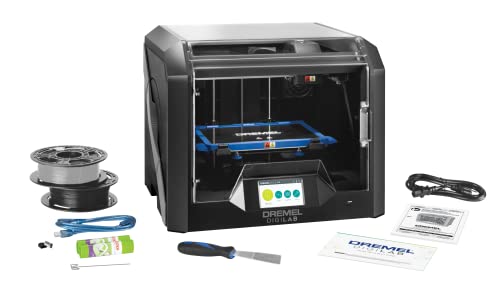
Pcmag 2018 Editors' Choice Award And Google For Education Partner – Dremel 3D45 3D Printer Kit
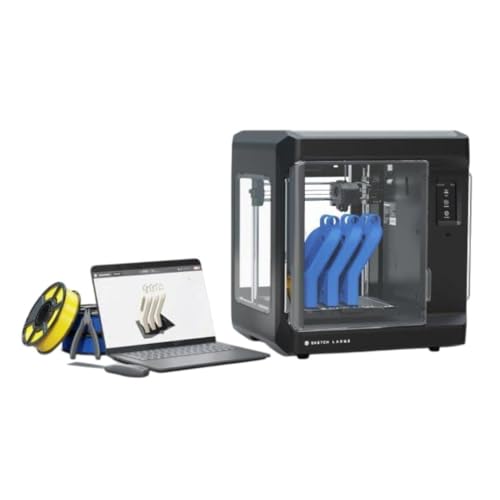
Print Bigger and Bolder: The MakerBot Sketch Large 3D Printer allows you to explore 3D printing on a bigger stage, enable students to design bigger and unhindered on an easy-to-use printer

Dependable Performance: MakerBot Smart Extruder Plus ensures consistent, reliable 3D printing with MakerBot PLA filament, backed by over 160000 hours of rigorous testing
Restoring Strength: Why and How to Add ~30% New Filament
Here’s what actually happens when you mix recycled filament with new filament: the old stuff has shorter polymer chains from repeated heating, so your parts get weaker unless you add fresh material.
Why this matters: you want parts that don’t crack during use or printing failures that waste time. For example, when I printed a replacement hinge for a toolbox from 70% reclaimed PLA, it snapped on the second use; switching to a blend with more new filament fixed that.
1) How much new filament to add and why
- Add about 30% new filament by weight to a batch of reclaimed material to restore reliable toughness and tensile strength. For instance, for 1 kg of reclaimed pellets or shredded filament, mix in 300 g of new filament.
- The new filament brings long polymer chains that raise toughness and tensile strength; the reclaimed material fills volume but has shortened chains from repeated melting.
2) How to test your blend before committing
Why this matters: you don’t want to print dozens of parts only to find they fail.
Real example: I printed three tiny cantilevers from different blends and bent them by hand to feel the difference.
Steps:
- Make three small test blends: 0% new, 30% new, 50% new. Label each.
- Extrude or hand-mix small sample strands (10–20 g each) and print a 50 × 10 × 2 mm bar, or cut strips for bend tests.
- Do a simple bend test: clamp one end and press the free end until it cracks; record peak force or note which blend flexes most without breaking.
- Optionally, run a tensile test if you have access to testing gear—record ultimate tensile strength for each blend.
3) How to mix and process reliably
Why this matters: inconsistent mixing makes some prints weak even if overall ratio is right.
Example: I once mixed by eye and got random weak spots; weighing and drying fixed it.
Steps:
1. Weigh reclaimed and new filament on a scale to get the 70:30 ratio by mass.
2. Dry both materials at 60°C for 4–6 hours (PLA) in a filament dryer or oven to remove moisture.
3. Mix thoroughly:
- If you have a filament extruder: feed matched chunks or pellets together and run at the recommended melt temperature, then spool the output.
- If you don’t: shred both, tumble them in a sealed box for a few minutes, then hand-extrude small test strands before full processing.
4. Print a calibration piece and retest mechanical properties.
4) Sourcing and contamination control
Why this matters: incompatible polymers or colors can ruin prints.
Real example: mixing PLA and PETG once caused bubbling and layer delamination.
Steps:
- Buy new filament of the same polymer as your reclaimed material whenever possible.
- Keep colors consistent to avoid surprises; if color differs, test for visual streaking and mechanical change.
- Store blended filament in airtight bags with desiccant.
Final notes (quick, actionable):
- Start with 30% new by weight, then adjust after testing to 20–40% depending on your results.
- Record each batch’s weight ratio, print settings, and test outcomes so you can repeat successful mixes.
That’s the practical way to get stronger parts from reclaimed filament without guessing.
Essential Tools, Molds, and Safety Considerations
Before you start melting failed prints, you need to understand why the right tools and safety gear matter: they make the process predictable and keep you from burning plastic or yourself.
I use a sturdy mallet and a fine shredder to reduce pieces because smaller bits melt evenly; for example, I break a 100 g PETG print into 5–8 mm flakes with a mallet then run them through a 1/8-inch shredder. 1) Use a mallet to crack prints on a concrete block. 2) Feed the pieces into a shredder with a 1/8-inch screen. 3) Aim for uniform 5–8 mm pieces. This saves you time at the heat source.
For stubborn parts with thick walls, you’ll cut them first. I cut away supports and dense sections with a band saw or a rotary tool; for instance, I slice a 12 mm-thick base into 6 mm slabs on a bandsaw before shredding the slabs. Do this in a ventilated garage and clamp pieces securely.
You need molds so your melted plastic becomes usable shapes; this matters because the wrong mold ruins hours of effort. I prefer metal cookie cutters for flat shapes, hollow steel tubes for cylinders, and silicone molds for detailed parts. Example: to make a 25 mm gear blank, press shredded ABS into a 2-inch diameter steel cookie cutter, heat, then press into a silicone gear mold for teeth. Steps: 1) Line a metal cutter for flat blanks. 2) Use a steel tube for rods. 3) Finish detailed pieces in silicone.
Safety gear prevents burns and fume exposure; this matters because toxic fumes and hot plastic are real hazards. Always ventilate with a box fan blowing outdoors and wear heat-resistant gloves rated to at least 500°F, safety glasses, and an N95 or half-face respirator if you smell fumes. Example: I run a 6-inch window fan pulling air out, wear leather gloves, and have a nearby ABC fire extinguisher. Keep a dedicated metal tray and never melt plastic within 10 feet of food prep areas.
Tools and consumables you’ll actually want: a mallet, a 1/8-inch shredder, a bandsaw or Dremel with cutoff wheels, metal cookie cutters, hollow steel tubes, and silicone molds; plus heat-resistant gloves, safety glasses, an N95 or respirator, a 6-inch exhaust fan, and an ABC extinguisher. Example: assemble these on a folding table, keep a metal baking sheet for molten plastic, and mark a “no food” zone 10 feet wide.
Follow those steps and gear choices and you’ll get repeatable, safer results.
Troubleshooting Common Problems and When to Use Recycling Services
Before you start diagnosing recycling filament problems, know that finding the root cause saves material and time. Think of a printer jam costing you $20–$50 per failed spool.
If you’ve ever had uneven melting or nozzle clogs, this is why.
- Inspect your feedstock first — why it matters: mixed plastics or debris cause clogs and weak filament.
- Steps:
- Sort by polymer type (PLA, PETG, ABS). Use clear bins labeled with markers.
- Remove contaminants: pick out metal, paper, and glue with tweezers; magnets help find ferrous bits.
- Weigh each batch; keep batches under 2 kg for consistent runs.
Example: I once found a single foam pebble in a 1 kg PLA batch that created bubbles for 10 meters of filament.
If you’ve ever battled brittle filament, this is why.
- Check shred size and drying — moisture and oversized pieces make bubbles and brittle results.
- Steps:
- Aim for flakes about 3–5 mm across; use a 4 mm screen if you can.
- Dry at 40–50°C for 4–6 hours for PLA, 65–80°C for PETG, and 80–110°C for ABS.
- Measure moisture with a simple moisture meter; accept under 0.2% for PLA.
Example: A 500 g PETG run that was dried 2 hours instead of 6 left hairline voids you could see under bright light.
If you’ve ever gotten repeat nozzle clogs from a DIY extruder, this is why.
- Check mechanical tolerances and temperatures — misalignment and wrong heat zones cause jams.
- Steps:
- Tighten drive gears to 0.1–0.2 mm backlash; use calipers to measure.
- Verify melt zone temps: PLA 180–210°C, PETG 230–250°C; adjust in 5°C increments.
- Clean the nozzle every 50–100 g of recycled filament on experimental runs.
Example: A 0.4 mm nozzle clogged every 30 g until I raised the melt zone 5°C and trimmed the shred size.
If you’ve tried fixes and still have problems, here’s when to compare DIY vs. service.
Before you decide, know comparing logistics saves you from wasting time and money.
1. Steps to evaluate:
- Estimate expected output per week (kg).
- Calculate time: collection + prep + run hours. Count your labor at $15–$25/hour.
- Add energy: desktop recycler ~300–600 W; multiply run hours by local electricity rate.
- Add replacement filament cost per kg (e.g., $20–$40/kg) avoided.
Example: For 5 kg/month, if your setup takes 12 hours of work and 30 kWh of power, you may spend more than paying a $30/kg service pickup.
If you’ve ever found costs creeping up, this is why sending to specialized recycling services helps.
- Perform a simple cost analysis — why it matters: services give consistent returns when DIY costs exceed value.
- Steps:
- Add labor + energy + consumables + failed spool losses for one month.
- Compare to service fees and pickup time; include transport miles at $0.65/mile if you drive.
- Choose service when DIY cost per usable kg > service price per kg or when reliability is required.
Example: I stopped recycling small mixed batches after three months when my DIY cost hit $55/kg versus a $28/kg service.
If you’re troubleshooting, do this checklist before you trash material.
1. Steps:
- Sort and weigh feedstock.
- Shred to 3–5 mm.
- Dry to target temperatures and times.
- Set melt zones to recommended temps.
- Run a 100 g test spool and inspect under bright light for bubbles or discoloration.
Example: A 100 g test spool will reveal your main problem within one hour.
If you follow these steps, you’ll cut waste and know when to send material out.
Frequently Asked Questions
Can I Mix Different PLA Colors When Remelting Sheets?
Yes — I mix different PLA colors when remelting sheets, but I expect color blending and imperfect hues; sometimes pigment separation occurs, so I sort or accept marbling, or add new pigment to normalize results.
How Does Food-Safe Certification Affect Upcycled PLA Use?
Food-safe certification matters enormously — I wouldn’t dare serve soup in uncertified PLA. It governs food safety, regulations, material composition and demands safety testing; without certification I treat upcycled PLA as decorative, not food-contact.
What Are Long-Term Storage Tips for Remelted Plastic Sheets?
I store remelted sheets in a climate-controlled area, use UV protection film, seal each in humidity barriers, label dates, and adopt a vertical stacking method to avoid pressure damage; I rotate stock every few months.
Can Remelted Filament Be Used in High-Temperature Applications?
No, I wouldn’t trust remelted filament for high-temperature use; thermal degradation lowers strength and heat resistance, so I’d recommend thorough mechanical testing and blending with fresh material before considering any application needing reliable thermal performance.
How to Estimate Energy Cost per Kilogram of Recycled Filament?
Estimate energy cost by measuring total energy input (kWh) for shredding, drying, melting, extruding and divide by material yield (kg) recovered; I multiply kWh by local electricity rate to get cost per kilogram.