As an Amazon Associate, we earn from qualifying purchases. Some links on this site are affiliate links at no extra cost to you. Our recommendations are based on thorough research and editorial judgment.

The Truth About PLA Biodegradability: Industrial Composting vs. Standard Landfills

You pull a compostable cup from your kitchen bin and hesitate: should this PLA cup go into the backyard compost, the municipal compost pickup, or the trash?
That exact question—does PLA break down in home piles or only in industrial facilities—keeps showing up at dinner tables and on neighborhood apps.
Most people assume “compostable” means it will disappear in any compost pile, which is wrong.
This piece will show you where PLA actually breaks down, how to tell what your local program accepts, and the exact action to take so you don’t contaminate recycling or ruin your backyard pile.
You’ll finish knowing whether to toss PLA in your curbside compost, take it to a facility, or throw it away.
It’s easier than it sounds.
Key Takeaways
If you’ve ever wondered what happens to PLA after you toss it, here’s why it matters: your disposal choice determines whether it actually breaks down or just becomes litter that sticks around.
PLA needs industrial heat, moisture, and microbes to biodegrade properly. For example, an industrial compost facility that holds material at 55–60°C with regular turning and moisture will break PLA down. At those temperatures, PLA hydrolyzes and microbes convert it into CO2, water, and biomass within about 90 days.
Why that matters in your backyard: home compost piles and backyard bins rarely get hot enough. A typical backyard pile might sit at 20–35°C and barely heats beyond the center, so PLA usually stays intact or just fragments into smaller pieces. Picture a kitchen compost bin in spring; the PLA lid you tossed last month will likely still look like a lid.
If you want to compost PLA correctly, follow these steps:
- Check if your PLA item has a certification like ASTM D6400 or EN 13432 and a compostable logo.
- Call or search your local municipal compost facility to confirm they accept PLA and maintain at least 55°C for weeks.
- If the facility accepts it, separate PLA from regular recycling and drop it at the designated collection point.
In standard landfills, PLA degrades very slowly and can produce methane under anaerobic conditions; landfills usually lack the oxygen and consistent heat needed for quick breakdown. Consider a city landfill that compacts waste and traps gases—PLA there can persist and contribute to methane generation.
If your local composting service doesn’t accept PLA, do this instead: keep it out of home compost, place it in general trash per local rules, or look for take-back programs run by manufacturers or cafés that collect compostables. A real example: a coffee shop that collects certified PLA cups sends them to a nearby industrial facility; without that program, the cups would likely end up in landfill.
Quick Answer: When PLA Is Truly Compostable
Before you assume PLA will vanish in your backyard compost, you need to know it only breaks down under industrial conditions. That matters because if you toss PLA into your home pile, it will likely sit there for years. Example: a household compost bin that never exceeds 95°F (35°C) won’t break PLA down.
Here’s what actually happens when you send PLA to an industrial composting facility: sustained high heat, controlled moisture, and active microbes turn it into water and carbon dioxide. The key number is about 131°F (55.5°C); systems keep temperatures at or above that for weeks to months to speed the chemical reactions microbes use. Example: a municipal composting plant holds piles at 131–160°F (55.5–71°C) for 2–6 weeks and then moves material to cure for another few weeks.
Why this matters: home compost piles rarely reach those temperatures, so they won’t reliably biodegrade PLA. If you pile kitchen scraps in a 3-foot bin that never heats past 95°F (35°C), PLA will stay largely intact and may fragment into small pieces.
How to dispose of PLA so it actually composts:
- Check the item for a certification label like EN 13432 or ASTM D6400. This tells you it was tested for industrial composting. Example: a PLA coffee cup stamped “ASTM D6400” is meant for commercial composting.
- Contact your local municipal composting program or waste authority to confirm they accept PLA. Call or check their website; don’t assume curbside pickup includes it.
- If your local program accepts PLA, put it in the designated commercial compost or organics bin. Example: in some cities, you drop PLA-lined food service items into the green-bin stream collected weekly.
- If your area doesn’t accept PLA, recycle or trash it according to local guidance—don’t put it in your home compost.
A practical takeaway: if you want compostable disposables to actually compost, buy items with certified labels and plan to use a commercial composting stream. Example: when you host a picnic, bring cups labeled EN 13432 and locate the nearest drop-off site beforehand.
What PLA Is : And Why “Compostable” Is Confusing
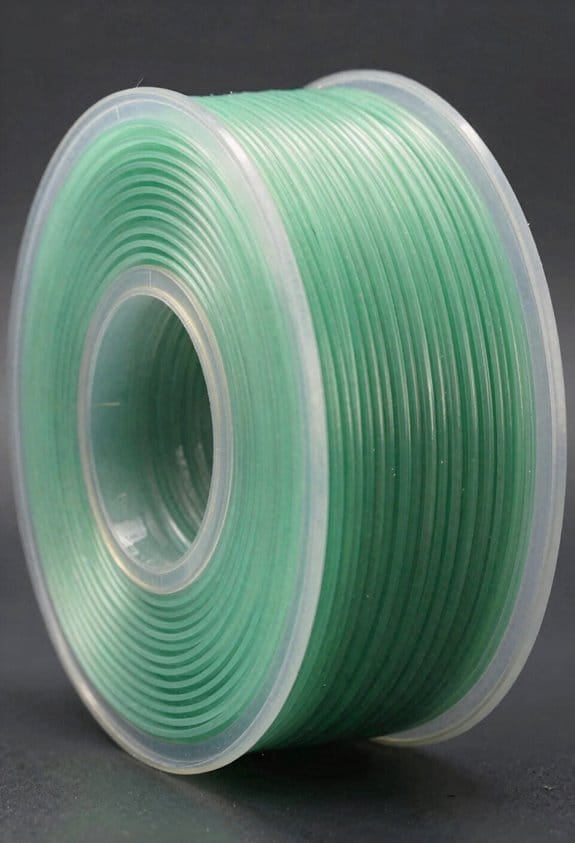
If you’ve ever wondered why a plastic that comes from plants still behaves like regular plastic, this is why.
Why this matters: you’ll handle, dispose of, or recycle PLA differently than you do soda bottles. PLA starts from plant sugars (like corn or sugarcane), so its renewable origin is different from petroleum-based plastics, but chemically it’s still a polymer with long chains that make it look and act like other plastics. Example: a PLA coffee cup can feel and stack like a paper-lined disposable cup at your office cafe, yet its molecules are similar in shape to PET bottles.
Why “compostable” is confusing: that label depends on very specific conditions, not just the feedstock. Without industrial composting — sustained temperatures around 55–60°C (131–140°F), high humidity, and active microbes — PLA won’t break down quickly. Example: if you toss a PLA container into your backyard pile, it may sit there for years instead of months.
How to handle PLA correctly (follow these steps):
- Check the label for “industrially compostable” or the ASTM D6400 / EN 13432 certification — that tells you it needs industrial conditions.
- If it has that certification, put it in your city’s industrial compost or a commercial compost drop-off; many municipal programs accept it.
- If your area has no industrial composting, recycle it only if your local recycler accepts PLA; otherwise dispose of it with landfill waste to avoid contaminating other recycling streams.
Real-world example: a café switched to PLA lids thinking they’d compost at home; customers threw lids into curbside green bins and the waste manager rejected the whole load because their facility doesn’t reach 55°C, so the lids ended up in landfill.
A few quick tips:
- If you want genuinely home-compostable products, look for labels that explicitly state “home compostable” and check for third-party verification.
- Do not assume “bioplastic” means it will degrade in the ocean or your backyard; it usually won’t.
- When in doubt, ask your municipal waste department whether they accept PLA in compost or recycling.
End fact: industrial composting temperatures (about 55–60°C) are the practical divider between PLA breaking down in months and PLA persisting for years.
Recommended Products

Compostable Coffee Cups: ECOLipak's 12 oz paper cups are made from paper and PLA liner. The lids are made from CPLA- a material that can be completely composted within 3-6 months

Case of 1,000 World Art coffee cups (50 per pack, 20 packs per case) Lids sold separately use Eco-Products lid part number - EcoLid-EP-ECOLID-W, Green EcoLid-EP-ECOLID-WGN, Paper-EP-BHCPBLIDL, Molded Fiber-EP-BHCSCLIDNFAL
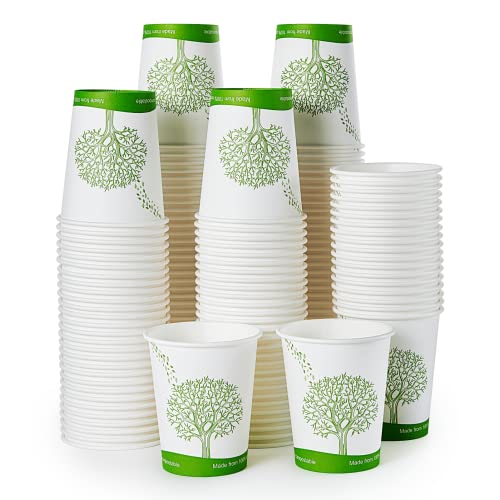
Compostable Paper Cups: Compostable cups are 100% sustainable, and biodegradable. They are made of paper and PLA lined a plant-based material. They can be fully composted in a commercial facility within 3-6 months. A perfect alternative to plastic linings
How Does Industrial Composting Break Down PLA?
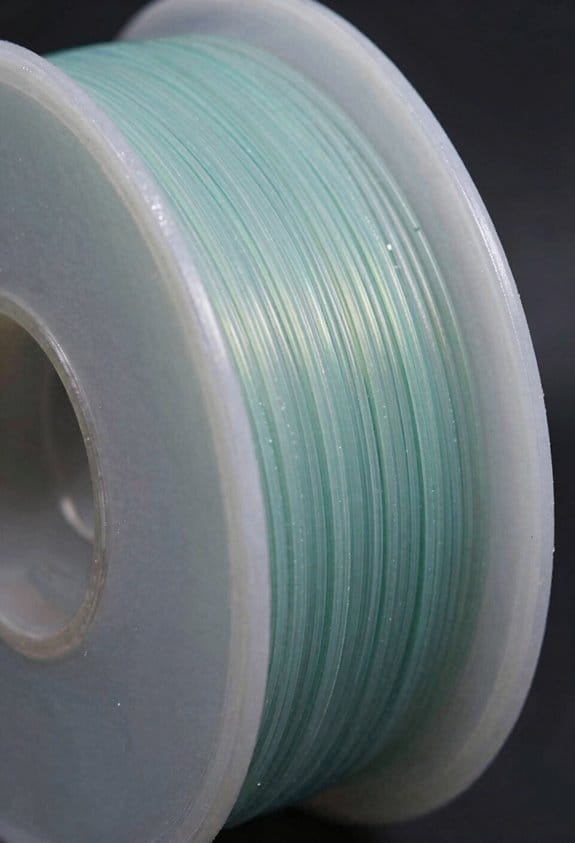
If you’re wondering why this matters: knowing how industrial composting breaks down PLA tells you whether your PLA cup can really disappear at a commercial facility or if it’ll hang around in landfill-like conditions.
Here’s what actually happens when you put PLA into an industrial compost pile: the system creates the exact temperature, moisture, and microbial mix that PLA needs to fall apart, and those three things work together in specific ways. Temperatures above about 131°F (55°C) speed up hydrolysis, which is the chemical step where long PLA chains split into shorter molecules, and keeping the pile moist—around 50–60% water content—lets water penetrate the plastic. Once those chains are short enough, microbes move in and enzymes from bacteria and fungi digest the fragments into carbon dioxide, water, and microbial biomass. For example, a municipal facility in Sacramento runs piles at 140°F and reaches significant PLA breakdown in 60–90 days.
How the heat and moisture actually act on PLA — and what you’d see: heat raises molecular motion so water can cut the ester bonds in the polymer backbone, while steady moisture at 50–60% lets hydrolysis proceed without making the pile anaerobic. Early on, you’d notice PLA items getting soft and fragmenting after a few weeks at 140°F. Later, microscopic colonies form on the fragments and enzyme activity increases.
Microbial succession: why different microbes matter and a real example. Early microbes — often thermophilic bacteria — handle the initial, partly-hydrolyzed bits, and later fungal and bacterial species finish the job by mineralizing the fragments to CO2 and biomass. For instance, compost from a food-waste facility in Copenhagen showed bacteria dominating the first two weeks, followed by fungi that finished digestion by day 60.
If you were running a compost process and wanted PLA to fully disappear, follow these steps:
- Maintain temperature: keep the core at 131–160°F (55–71°C).
- Control moisture: aim for 50–60% water content and check with the squeeze test (a handful should feel like a wrung-out sponge).
- Turn or mix: aerate every 1–2 weeks to keep oxygen levels high.
- Monitor time: expect 60–90 days for significant breakdown at the right conditions.
- Test output: screen compost for plastic fragments before using it.
Quick practical tip: if your home pile rarely gets above 100°F, your PLA will likely just get brittle and persist; commercial facilities avoid this by forcing airflow and mixing to sustain high heat.
What you’ll actually get at the end: under proper industrial conditions, PLA is converted mostly to CO2, water, and microbes within a couple of months, while in cooler or dry systems it can remain as brittle fragments for years.
Recommended Products

Durable and Crack Resistant: Made for everyday use, our sturdy BPA free 9 oz cold cups hold up well to cold drinks without bending or cracking.

50ct, 16 oz Compostable Cold Cups per pack

Eco Materials: These biodegradable cups are made from polylactic acid (PLA), a plant-based material derived from corn starch. They contain no petroleum or bisphenol A (BPA) compounds,making sustainability easier
Certifications and Real-World Composting Limits for PLA
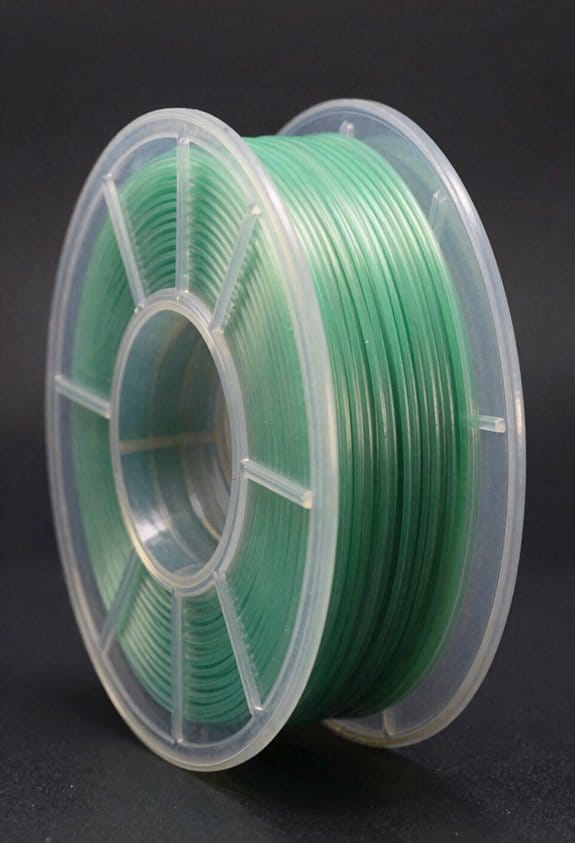
Here’s what actually happens when you read a compostability label on PLA packaging: the certification tells you the material passed specific lab or industrial tests, not that it will vanish everywhere.
Why this matters: if you assume a label means it will break down in your backyard or any compost facility, you’ll be surprised when it doesn’t. For example, a PLA cup stamped with ASTM D6400 sat in a municipal compost pile for months in my town because the plant never hit required temperatures.
How certifications work and where they apply
Why this matters: certifications define test conditions that most places don’t match.
- Certifications like ASTM D6400 and EN 13432 mean the material met industrial test conditions — usually ~58–60°C, sustained moisture, and specific microbial activity — within a set time (often 90 days).
- Real example: an industrial composting plant in a midwestern city rejected a PLA shipment because their windrows never exceeded 50°C; the PLA stayed mostly intact after three months.
- Actionable steps:
1) Check the certification name on the product.
2) Look up the test temperature and time (e.g., 58°C for 90 days).
3) Compare those numbers to your local facility’s operating conditions.
Why facility differences change outcomes
Why this matters: different plants run different processes, and small changes stop PLA from degrading.
- Industrial facilities vary in temperature, aeration, turning frequency, and accepted materials; a certified PLA needs the higher heat and regular turning to break down.
- Real example: a commercial composter that uses static piles at 45°C found PLA fragments after screening because the microbes never reached the levels needed for complete biodegradation.
- Steps you can take:
1) Call or check the facility’s FAQ for temperature ranges and accepted items.
2) Ask whether they accept “PLA” or only specific certified products.
3) If they don’t accept PLA, keep it out of your compost and recycle or trash it instead.
Home composting and landfills
Why this matters: home compost bins and landfills almost never provide the conditions PLA needs.
- Home piles usually stay below 40°C and lack the microbial mix required; PLA can last years in those settings.
- Real example: a home kitchen compost containing PLA cutlery showed no visible change after a year because the bin peaked at ~30°C during summer.
- Steps:
1) Don’t put PLA with “industrial compostable” labels into your home bin.
2) If you want compostable single-use items for home disposal, buy ones labeled specifically for home composting.
3) If unsure, contact the manufacturer for the exact compost environment the product requires.
Practical checklist before tossing PLA
Why this matters: a short checklist avoids mistakes and extra waste.
1. Steps you should follow:
1) Read the label for ASTM D6400, EN 13432, or a “home compostable” claim.
2) Search your local compost facility’s acceptance list or call them.
3) Compare the facility’s operating temperature to the product’s test temperature (e.g., 58°C vs. 45°C).
4) If the facility doesn’t accept PLA, keep it out of compost and seek alternative disposal.
2. Real example: I checked my county’s compost site, found they accept only food scraps and yard waste, and kept PLA cups for recycling instead.
Bottom line: certification matters, but you must match it to local processing. Check labels, ask your facility for temperatures and accepted materials, and follow the four-step checklist to avoid sending PLA to a place where it won’t break down.
Recommended Products

MATERIALS: 100% compostable and biodegradable bamboo coffee cups are made from sustainable, renewable, and fast-growing bamboo fiber, laminated with compostable corn-starch-based materials. Earth's Natural bamboo cups come with compostable corn-starch-based lids. They meet ASTM D6400 Standard. 1-6 months to fully compost at municipal and industrial composting facilities; home composting time may vary from home to home.

Fits Planet+ 10-20oz Hot Cups Sold on Amazon

PERFECT FOR ICED COFFEE, SMOOTHIES & COLD DRINKS - Designed specifically for cold drinks only, these 16 oz clear cups are ideal for iced coffee, cold brew, smoothies, lemonade, iced tea, fountain drinks, juice, and water. A versatile choice for cafés, restaurants, food trucks, and beverage programs.
PLA in Home Compost: Why It Fails
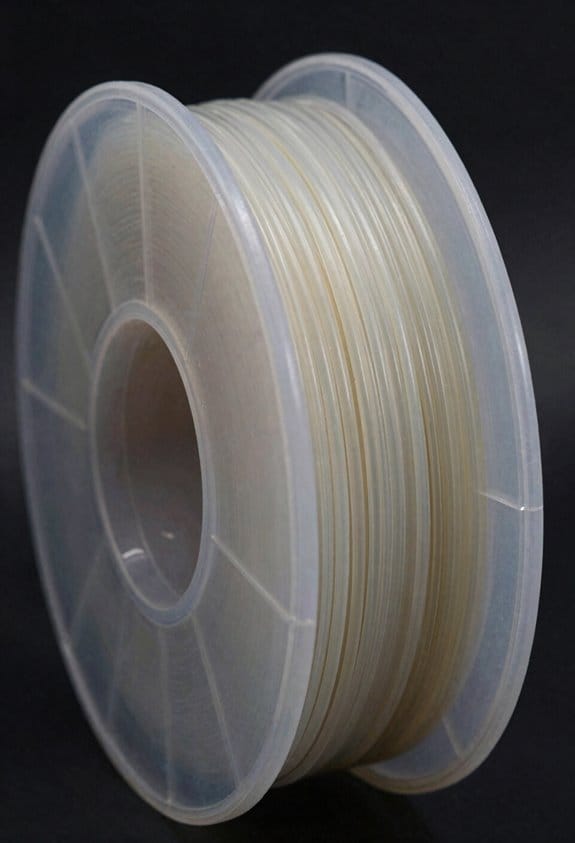
Here’s what actually happens when you put PLA into a home compost bin: it mostly stays whole.
Why this matters: your finished compost and the organisms that process municipal loads can be harmed by persistent plastic-like fragments.
Example: I once saw a neighbor’s finished compost with thin, shiny PLA flakes that made the soil clump and left small plastic threads in the potting mix.
How PLA behaves in a home compost pile
Why this matters: you need to know the temperature requirement so you can decide where to put PLA instead of guessing.
PLA needs sustained temperatures around 131°F (55°C) and active thermophilic microbes to break down quickly; most backyard bins peak well below that.
Example: a typical 3×3 foot backyard bin with mixed kitchen scraps and yard waste usually reaches 95–110°F for a few days, so a standard PLA cup left in that pile will often still look intact weeks later.
What happens when PLA fragments end up in finished compost
Why this matters: you don’t want contaminants in potting soil or community compost.
Fragments from PLA can persist as visible bits that affect texture and may confuse municipal sorting machines that expect only natural materials.
Example: a community garden tossed a bag of compost into a raised bed and later pulled out ribbon-like PLA pieces from seedling trays.
Which PLA variants might work better (and which won’t)
Why this matters: not all “biobased” or “compostable” labels mean your bin will process the item.
Some PLA blends with high PHB content or specific additives can hydrolyze at lower temperatures, but most standard PLA products on store shelves are plain PLA and won’t.
Example: a commercial composting facility accepted a PLA/PHB blend for a pilot project but rejected plain PLA forks from local drop-off because they stayed intact after two months in a windrow.
Practical steps you can take
Why this matters: you can avoid contaminating your compost and save effort.
- Check product labeling and local rules: if it says “home compostable” and your municipality confirms acceptance, you can compost it; otherwise, don’t.
- Keep standard PLA out of your home bin: treat it like non-compostable plastic.
- If you want to compost bioplastic items at home, choose certified home-compostable brands and test one piece in your bin for 6–8 weeks before adding more.
- For questionable items, dispose of them with regular plastic or return them to store take-back programs when available.
Quick rule of thumb: if your bin rarely reaches 131°F, assume standard PLA won’t break down and keep it out.
Landfills, Oceans, and the Climate Impacts of PLA Waste
Here’s what actually happens when you toss PLA into the trash or drop it near water: it often sticks around like regular plastic instead of disappearing. Why you should care: if PLA doesn’t fully break down, it can create methane in landfills and persistent fragments in rivers and oceans that look and act like microplastics.
In landfills, PLA decomposes slowly because there’s little oxygen and the microbial community that digests PLA usually isn’t present. That means your PLA cup or fork can sit for decades, fragmenting while mostly staying intact; for example, a PLA coffee lid buried in a municipal landfill may still show visible structure after 20 years. Under anaerobic conditions some PLA produces methane — a greenhouse gas about 25 times more potent than CO2 over 100 years — so landfill PLA can raise your carbon footprint compared with composting.
Why this matters: methane from landfill PLA increases warming more than CO2 from composted PLA would. A concrete example: a plastic-lined landfill accepting food-service PLA could generate measurable methane plumes that operators must flare or capture, otherwise the climate impact grows.
In oceans and rivers, PLA shows marine persistence because the cold, dilute conditions and different microbes slow biodegradation. That means a PLA bottle fragment in coastal surf can abrade into smaller pieces over years rather than fully biodegrade; picture a clear PLA bottle cap breaking into gritty flakes that end up on a beach after storms. Those fragments behave like conventional microplastics — they can transport pollutants and get eaten by wildlife.
Why you should act: persistent PLA litter creates long-term pollution risks similar to petrochemical plastics. For practical steps you can take:
- Keep PLA out of regular trash when possible. If your city offers industrial composting, put PLA in that bin.
- Check local rules: many curbside compost programs don’t accept PLA; call or visit your municipality’s waste website.
- Avoid single-use PLA where you can; choose reusable items or certified home-compostable products if you have a home system that reaches the required temperatures (around 60°C for several days).
A real-world visual: imagine a picnic where someone leaves behind a PLA plate; if it’s dropped on a trail that leads to a stream, rain can wash plate fragments into the river and later onto a beach, where birds and fish might ingest them.
Bottom line fact: PLA can be better than petroplastics if it reaches industrial composting at high temperatures, but if it goes to landfill or into waterways, it often behaves like regular plastic and can release methane or persist as fragments.
Practical Choices and Policy Steps for Disposing PLA
Before you toss PLA in your regular trash, know why it matters: PLA only breaks down in industrial composters, so putting it in your curbside bin or backyard won’t reduce waste. Think of PLA like pizza dough that needs an oven; home conditions are the wrong recipe. Example: a PLA cup left in a backyard compost pile can sit largely intact for years because the pile never reaches the 55–60°C that industrial facilities hold for days.
How do you dispose of PLA correctly? Follow these steps so you don’t contaminate other waste streams:
- Check for a local industrial composting drop-off. Many cities list facilities online; call or check your municipality’s website and search “commercial composting” plus your city name.
- If your city accepts PLA, rinse items and put them in the designated collection (often labeled “commercial compost” or “compostable plastics”). Example: in Portland, OR, some transfer stations accept PLA when it’s clean and separated.
- If no commercial option exists, keep PLA out of your home compost and organics bin. Place it in separate trash or recycling if your municipality requests that separation to avoid contaminating food-waste streams.
- Look for clear labeling when you buy: “industrially compostable” or the EN 13432/ASTM D6400 certification tells you it needs a commercial facility.
On policy and collective steps, here’s what helps you and your community get better results: incentivize regional composting capacity and require clear, standardized labels so you can tell at a glance where an item belongs. Example: a county that funds a single regional digester can serve several towns and increase PLA diversion by measurable tons per year.
If you want a quick checklist to carry or share, use this:
- Find local commercial composters (call or search online).
- Keep PLA separate from home compost and organics.
- Rinse before drop-off.
- Prefer products labeled EN 13432 or ASTM D6400.
Final fact: industrial composters typically hold 55–60°C for several days, which is the condition PLA needs to break down effectively.
Frequently Asked Questions
Can I Recycle PLA With Regular PLAstic Recycling Streams?
No, you can’t—I wouldn’t mix PLA into regular plastic recycling because recycling contamination and sorting challenges mean it ruins batches; instead I recommend using industrial composting or verified drop-off programs to avoid contaminating streams.
Do Compostable PLA Labels Mean Safe Backyard Disposal?
No — I wouldn’t trust compostable PLA labels for backyard breakdown; home composting rarely hits the needed temperatures, so most PLA won’t degrade properly and can contaminate your pile unless it’s specially blended for home use.
Will PLA Release Toxins as It Degrades in Landfills?
No—PLA won’t release toxins as it degrades in landfills, I tell you like a slow-burning candle; instead microbial byproducts form and methane emissions can arise under anaerobic conditions, persisting until proper degradation occurs.
How Can Municipalities Verify Industrial Compostability Claims?
They can require third party certification and perform operational auditing; I’d check BPI/ASTM or EN 13432 certificates, inspect facility processes, monitor temperature/microbial controls, and validate composting trials to confirm industrial compostability claims.
Are Pla-Based Textiles Compostable Like Packaging?
Like a puzzle piece, yes—but only sometimes. I’ll explain: PLA-based textiles need fiber blending and industrial conditions; dye impacts and additives can stop composting, so pure, certified blends compost reliably while many dyed fabrics won’t.