As an Amazon Associate, we earn from qualifying purchases. Some links on this site are affiliate links at no extra cost to you. Our recommendations are based on thorough research and editorial judgment.

9 Best Resin 3D Printer Models Hobbyists Swear By

You’ve sanded down yet another failed miniature because fine armature detail vanished in the wash, or you’ve watched a weekend slip by while prints peel off the build plate mid‑cure. Those moments — tiny fins that won’t hold and batches that warp halfway — are maddening and all too common.
What separates a printer that delivers crisp, repeatable parts from one that wastes resin and time are details like XY resolution, reliable adhesion and peel mechanics, plus consistent exposure systems; buyers often fixate on price or advertised megapixels and ignore vat heating, build volume, or workflow.
This roundup gives you nine resin printers chosen for print quality, speed, reliability, and real‑world workflow features; read on and you’ll know which model fits your priorities, the key trade‑offs, and practical settings to get crisp, durable hobby parts fast.
Key Takeaways
If you want the smoothest miniatures and crisp details, a high-resolution monochrome LCD (4K–16K) gives you that level of fine detail without slowing your workflow. It makes tiny features readable and surfaces glassy, and you’ll notice fewer visible pixels on faces and armor. Short prints look better.
For anyone printing long runs or delicate parts that can warp, consistent even lighting like a matrix or COB setup helps avoid banding and keeps edges clean. That lighting spreads light across the whole plate so you don’t get shadowed strips down the model. Expect steadier results.
What makes this resin printer stand out for small-batch hobbyists is choosing the right build volume for your needs: go compact for individual minis, or pick a 13″+ plate if you’re doing batches. Matching the plate size to how many models you print at once saves time and resin. You get more prints per session.
You get stronger Z stability without extra fiddliness by preferring reinforced Z-axes and reliable tilt/peel mechanisms, which cut down layer shifts and peeling defects on tall pieces. That extra rigidity means fewer failed tall prints and less cleanup for you. Prints stay put.
Perfect for makers who want faster setup and less babysitting, look for workflow features like auto-leveling, one-click checks, resin heating, and auto-fill so you spend less time calibrating and more time painting. Those conveniences get you printing sooner and keep your throughput steady. You’ll be back at the bench faster.
| ANYCUBIC Photon Mono 4 3D Printer 7″ 10K LCD 70mm/h |  | High-Resolution Performer | Display / Screen: 7″ monochrome 10K LCD (9024×5120) | Build Volume / Print Area: 153.4 × 87 × 165 mm (6.04″ × 3.42″ × 6.49″) | Light / UV Source Specification: Anycubic LighTurbo matrix light source | VIEW LATEST PRICE | Read Our Analysis |
| ELEGOO Saturn 4 Ultra 16K Resin 3D Printer | 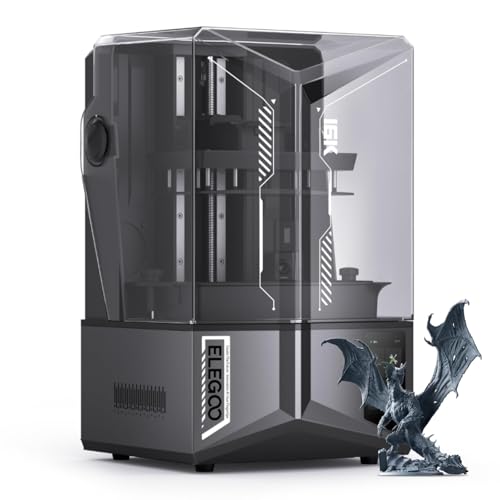 | Ultra-Detail Powerhouse | Display / Screen: 10″ monochrome 16K LCD | Build Volume / Print Area: 8.33 × 4.66 × 8.66 inches | Light / UV Source Specification: (not explicitly named; supports resin heating and controlled curing) | VIEW LATEST PRICE | Read Our Analysis |
| ELEGOO Mars 5 Resin 3D Printer 4K Mono LCD | 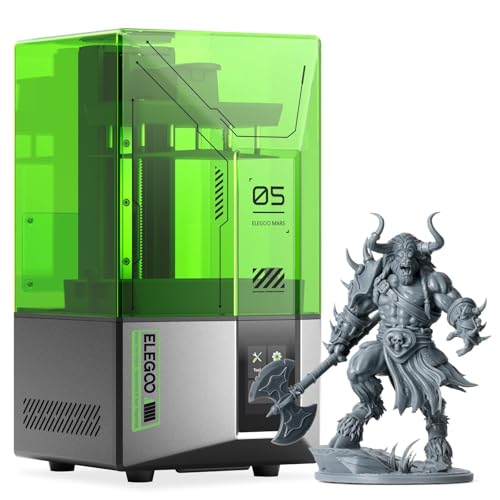 | Compact Precision Starter | Display / Screen: 4K monochrome LCD | Build Volume / Print Area: 5.65 × 3.53 × 5.91 inches | Light / UV Source Specification: COB light source | VIEW LATEST PRICE | Read Our Analysis |
| ANYCUBIC Tough Resin 2.0 1kg Black 3D Printer Resin | 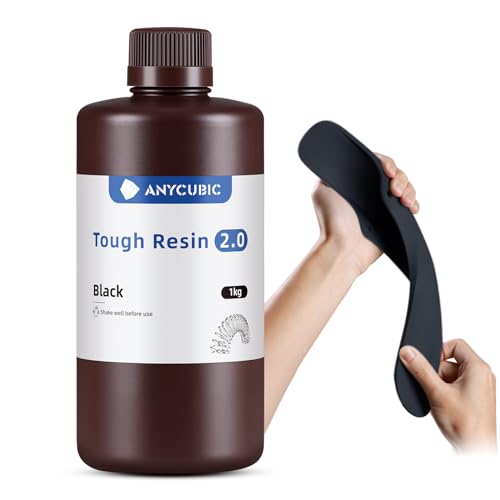 | Durable Material Pick | Display / Screen: (resin product — N/A for printer screen) | Build Volume / Print Area: (resin product — not applicable) | Light / UV Source Specification: (resin — cured at 365–405 nm) | VIEW LATEST PRICE | Read Our Analysis |
| Phrozen Sonic Mighty 4K LCD Resin 3D Printer | 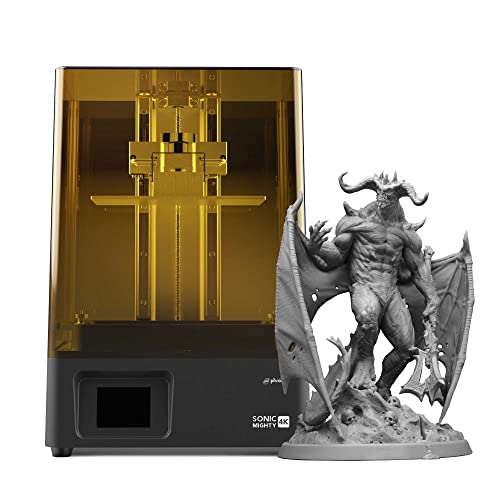 | Hobbyist Workhorse | Display / Screen: 9.3″ monochrome 4K LCD | Build Volume / Print Area: 7.9 × 4.9 × 8.7 inches | Light / UV Source Specification: 405 nm UV | VIEW LATEST PRICE | Read Our Analysis |
| ANYCUBIC 405nm Grey SLA 3D Printer Resin (1kg) |  | Reliable Everyday Resin | Display / Screen: (resin product — N/A for printer screen) | Build Volume / Print Area: (resin product — not applicable) | Light / UV Source Specification: 405 nm wavelength (resin spec) | VIEW LATEST PRICE | Read Our Analysis |
| Creality HALOT R6 Resin 3D Printer for Beginners |  | Beginner-Friendly Choice | Display / Screen: 6.08″ 2K monochrome LCD | Build Volume / Print Area: (build volume not listed in summary; compact desktop form) | Light / UV Source Specification: Integral light source (uniformity >90%) | VIEW LATEST PRICE | Read Our Analysis |
| ANYCUBIC Photon Mono M7 MAX 13.6″ 7K Resin Printer | 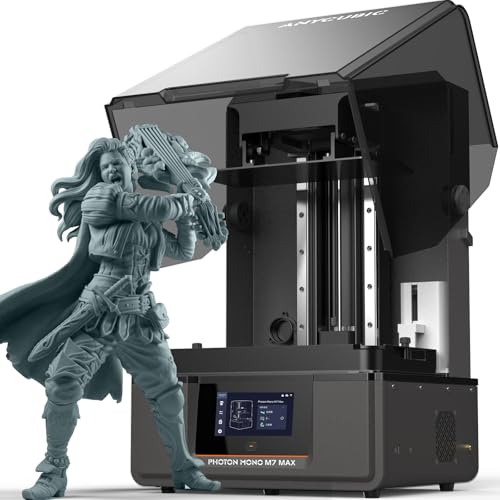 | Large-Format Specialist | Display / Screen: 13.6″ 7K LCD | Build Volume / Print Area: 298 × 164 × 300 mm (listed; also given as ~11.8″ × 11.7″ × 6.5″) | Light / UV Source Specification: LighTurbo 3.0 (COB + Fresnel lens) | VIEW LATEST PRICE | Read Our Analysis |
| GK3 Pro 16K Resin 3D Printer (9.5″x8.3″x4.7″) | 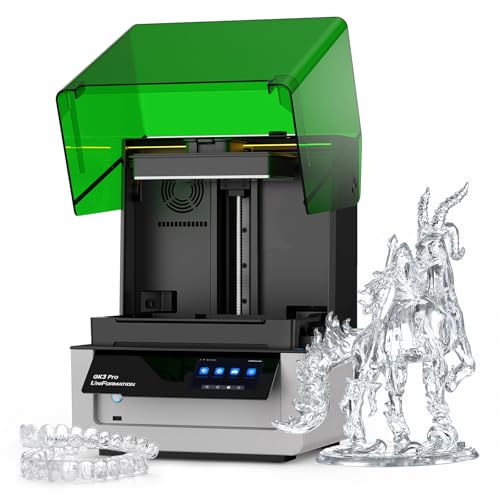 | Professional Precision | Display / Screen: 16K screen (size not specified in summary) | Build Volume / Print Area: 9.5″ × 8.3″ × 4.7″ | Light / UV Source Specification: 385 nm UV COB light source | VIEW LATEST PRICE | Read Our Analysis |
More Details on Our Top Picks
ANYCUBIC Photon Mono 4 3D Printer 7″ 10K LCD 70mm/h
If you want tiny, crisp details on miniatures or small functional parts, the Photon Mono 4’s high-res screen delivers the fine finish you’re after. It uses a 7″ 10K monochrome LCD with a native resolution of 9024 x 5120, so you get very small 17 μm pixels that sharpen small features and reduce visible stair-step layers. The LighTurbo matrix gives steady, even light across the whole print, which helps cut down on raster banding and uneven curing. It prints quickly for a resin machine, reaching up to 70 mm/h when your models and settings allow.
For anyone who dislikes fiddly bed adhesion problems, the laser-engraved platform grips parts better right out of the box. Leveling is a simple four-point setup, so once you do that initial tweak you won’t be re-leveling after every print. The build area fits detailed minis and moderate-size functional pieces, so you can switch between hobby models and small practical prints without changing machines.
- Display / Screen:7″ monochrome 10K LCD (9024×5120)
- Build Volume / Print Area:153.4 × 87 × 165 mm (6.04″ × 3.42″ × 6.49″)
- Light / UV Source Specification:Anycubic LighTurbo matrix light source
- Materials / Construction:ABS, Aluminum, Polycarbonate
- Target / Intended Use:Industrial / Scientific (listed)
- Warranty / Support:Manufacturer warranty available
- Additional Feature:4-point no-repeat leveling
- Additional Feature:Laser-engraved platform
- Additional Feature:Resume-after-power support
ELEGOO Saturn 4 Ultra 16K Resin 3D Printer
If you want super-fine detail for miniatures or dental models, the 16K monochrome LCD gives you much finer XY resolution than typical consumer printers and that sharpness shows in smoother surfaces and lifelike textures. The 10″ 16K display supports a respectable print area of 8.33 × 4.66 × 8.66 inches so you can print multiple small pieces at once without sacrificing detail. Quick printing matters when you have batches to finish, and this unit can hit up to 150 mm/h for faster turnaround.
For anyone who struggles with print failures from peeling, the tilt release mechanism reduces peeling defects by easing suction during layer separation, which means fewer ruined prints and less wasted resin. The printer heats resin to 30 °C to keep viscosity consistent for more reliable layers during long jobs. It also includes auto-leveling and AI camera monitoring so you can catch issues early without babysitting every print.
What makes this resin printer stand out for hobbyists is how plug-and-play it feels; you can get started quickly even if you’re not a tech expert. You’ll appreciate the combination of speed, a large 16K screen, and the monitoring features when you’re cranking out highly detailed models. It’s a solid choice if your priority is detailed, repeatable results.
- Display / Screen:10″ monochrome 16K LCD
- Build Volume / Print Area:8.33 × 4.66 × 8.66 inches
- Light / UV Source Specification:(not explicitly named; supports resin heating and controlled curing)
- Materials / Construction:ABS, Aluminum, Polycarbonate
- Target / Intended Use:Industrial / professional (high-res production; intuitive workflows)
- Warranty / Support:Manufacturer warranty available
- Additional Feature:Smart Tank Heating
- Additional Feature:AI camera monitoring
- Additional Feature:Tilt release technology
ELEGOO Mars 5 Resin 3D Printer 4K Mono LCD
If you want crisp miniatures with fine texture and minimal fuss, the Mars 5’s 4K mono LCD and COB light source give the sharp detail you need for tiny features and complex models. The build area is a handy 5.65 × 3.53 × 5.91 inches, so you can print several miniatures at once without crowding.
For anyone who dislikes fiddly setup, one-click automatic leveling gets your platform ready fast, and the one-click self-checks confirm components before you hit print. You’ll save time and avoid failed first layers.
What makes this resin printer stand out for hobbyists is the metal-and-polymer frame that keeps the optics steady during long runs, which helps you get consistent results across multiple prints. It’s a solid-feeling machine.
You get smarter safety and reliability without extra complexity because built-in sensors detect resin residue and low-resin conditions so you can top up or clean before problems arise. The sensors help prevent wasted prints.
The ELEGOO Mars 5 solves heat worries by stopping prints if temperatures exceed 80°C and by using efficient cooling to protect parts during long jobs. That means your delicate prints are less likely to warp or fail.
Perfect for modelers or anyone making dental models, prototypes, or gaming miniatures, this compact MSLA printer balances fine detail and simple operation so you can focus on designing and painting rather than tweaking settings. It’s easy to live with.
- Display / Screen:4K monochrome LCD
- Build Volume / Print Area:5.65 × 3.53 × 5.91 inches
- Light / UV Source Specification:COB light source
- Materials / Construction:ABS, Aluminum, Polycarbonate (metal + polymer components)
- Target / Intended Use:Desktop / hobbyist with industrial features
- Warranty / Support:Manufacturer support/warranty information available
- Additional Feature:One-click automatic leveling
- Additional Feature:One-click self-check
- Additional Feature:Overheat protection alarm
ANYCUBIC Tough Resin 2.0 1kg Black 3D Printer Resin
If you handle miniatures or rugged prototypes and worry about chips or snapped pieces, this resin’s higher flexural strength and strong elongation help thin parts survive rough use. It cures quickly under 365–405 nm light, so your prints harden fast and keep fine detail even on 4K and 8K screens. Fast curing helps reduce shrinkage, too.
For anyone who uses different printers and screens, the formula works with LCD, DLP, and SLA machines so you won’t be limited by your setup. It’s a low-odor option with reduced VOCs, which makes cleanup and post-processing easier for your workspace. You can run longer print sessions without a strong chemical smell.
What makes this 3D printing resin stand out for hobbyists is the balance between toughness and detail, so your gaming pieces look great and take handling. The material is strong enough for functional parts that see occasional impact. It’s also handy for shells and prototypes where you want shape accuracy and drop resistance.
You get durability without sacrificing fine resolution, so you don’t have to choose between strength and sculpted features. Prints cure well across common wavelengths, which keeps your workflow simple. Try small test pieces first to dial in exposure times for your machine.
- Display / Screen:(resin product — N/A for printer screen)
- Build Volume / Print Area:(resin product — not applicable)
- Light / UV Source Specification:(resin — cured at 365–405 nm)
- Materials / Construction:(resin product — material: photopolymer resin)
- Target / Intended Use:Tough engineering/industrial parts, hobbyist use (resin for printers)
- Warranty / Support:Manufacturer (ANYCUBIC) product info; standard support channels implied
- Additional Feature:High elongation toughness
- Additional Feature:Low-odor formula
- Additional Feature:Fast 365–405nm curing
Phrozen Sonic Mighty 4K LCD Resin 3D Printer
If you want miniatures or prototypes with crisp details on a small desk, the 9.3-inch monochrome LCD and 4K (52 µm XY) resolution make those fine features possible. It captures tiny sculpting and sharp edges so your models look professional. Small footprint, big detail.
For anyone who needs a balance between part size and workspace, the 7.9 x 4.9 x 8.7-inch build volume gives you usable room for multiple figures or several prototypes at once. You can print batches without dominating your workbench. It fits on a shelf or a crowded desk.
What makes this resin printer stand out for steady layers is the reinforced dual linear rails on Z, which reduce wobble and give you cleaner vertical surfaces. Your taller prints come out with fewer layer artifacts because the Z axis stays stable. That means less sanding later.
You get compatibility with a wide range of 405 nm UV resins without locking you into one vendor, so you can try different hardnesses and colors for different projects. That freedom helps if you already have favorite third-party formulas. It’s handy when experimenting with materials.
The Phrozen Sonic Mighty 4K aims to be approachable for newcomers while giving makers the detail they want, so setup and operation are fairly user-friendly. You’ll spend more time printing and less time fighting menus. It’s a solid pick for hobbyists who want high-detail results on a compact machine.
- Display / Screen:9.3″ monochrome 4K LCD
- Build Volume / Print Area:7.9 × 4.9 × 8.7 inches
- Light / UV Source Specification:405 nm UV
- Materials / Construction:Metal (printer chassis / construction)
- Target / Intended Use:Hobbyists / miniatures / tabletop figures
- Warranty / Support:Manufacturer warranty information available
- Additional Feature:Dual linear Z rails
- Additional Feature:Compact tabletop form
- Additional Feature:9.3″ monochrome LCD
ANYCUBIC 405nm Grey SLA 3D Printer Resin (1kg)
If you want parts that hold tight dimensions and smooth surfaces, this 405 nm grey SLA resin reduces shrinkage during photocuring so your prints come out reliably sharp. It’s made for monochrome LCD or DLP machines using 405 nm lamps, which helps with predictable curing times for hobbyist setups. Fast curing and good fluidity shorten layer times on compatible printers. Short cure times help you iterate faster.
For anyone who worries about breaking tiny details when removing supports, the resin balances hardness and toughness so you can handle parts without chipping fine features. Shake the sealed 1 kg bottle well before use to mix the color paste, and you’ll avoid uneven prints from settled pigment. Store the bottle wrapped and cushioned to prevent leaks. Keep it cool and out of direct light.
- Display / Screen:(resin product — N/A for printer screen)
- Build Volume / Print Area:(resin product — not applicable)
- Light / UV Source Specification:405 nm wavelength (resin spec)
- Materials / Construction:(resin product — photopolymer resin)
- Target / Intended Use:General-purpose SLA resin for hobbyist and Anycubic printers
- Warranty / Support:Manufacturer (ANYCUBIC) product info/support implied
- Additional Feature:Low shrinkage formulation
- Additional Feature:Stable after-cure durability
- Additional Feature:Bubble-wrap spill packaging
Creality HALOT R6 Resin 3D Printer for Beginners
If you want a simple way to get into high-detail resin printing, the HALOT R6’s compact, fully assembled setup gets you printing fast and painlessly. It fits small workspaces at 16.1 x 15.4 x 18.7 inches and weighs about 12.7 pounds, so you can tuck it on a desk or shelf with no fuss. Short and sweet.
For anyone who worries about messy or fiddly upgrades, the orange alloy body is ready out of the box and the orange top blocks 99.89% of UV rays to help protect your eyes. The 2K 6.08-inch monochrome LCD and uniform integrated light source give consistent curing for finer detail, and that means your miniatures and parts come out sharper. It’s easy to use.
What makes this resin printer stand out for beginners is the precise Z-axis with a gap-elimination nut that cuts down wobble during tall prints, so you’ll get smoother surfaces and fewer failed layers. HALOT BOX offers one-click slicing which gets your models from file to print fast, and Creality Cloud gives you access to models when you want new things to try. Quick and convenient.
- Display / Screen:6.08″ 2K monochrome LCD
- Build Volume / Print Area:(build volume not listed in summary; compact desktop form)
- Light / UV Source Specification:Integral light source (uniformity >90%)
- Materials / Construction:High-strength alloy / aluminum where specified
- Target / Intended Use:Beginners / kids / entry-level users
- Warranty / Support:Manufacturer warranty information provided
- Additional Feature:UV-blocking orange lid
- Additional Feature:CHITUBOX Pro card
- Additional Feature:Built-in boot guide
ANYCUBIC Photon Mono M7 MAX 13.6″ 7K Resin Printer
If you need to print oversized props or big terrain pieces, the Photon Mono M7 Max’s 13.6″ 7K monochrome screen lets you build wide parts with very high XY detail, so your masks and dioramas come out sharp. It has a 298×164×300 mm build area and a 1,300 ml vat that cut down the number of refills you do during long runs. The frame is made from ABS, aluminum, and polycarbonate for a strong feel.
For anyone who paints or assembles lots of small miniatures, the high resolution helps capture tiny sculpt details that matter on the tabletop, and LighTurbo 3.0 optics plus calibrated light angles give you more even exposure across large prints. Lead screws improve positioning so layers line up better on tall pieces. It’s a nicer fit for careful modelers.
What makes this resin printer stand out for workflow speed is the practical automation: auto-fill reduces babysitting, dynamic vat heating keeps resin flowing smoothly, and the one-hand cover design makes access faster. These little conveniences add up during marathon print sessions. You’ll save time between batches.
- Display / Screen:13.6″ 7K LCD
- Build Volume / Print Area:298 × 164 × 300 mm (listed; also given as ~11.8″ × 11.7″ × 6.5″)
- Light / UV Source Specification:LighTurbo 3.0 (COB + Fresnel lens)
- Materials / Construction:ABS, Aluminum, Polycarbonate
- Target / Intended Use:Large-format professional (masks, cosplay, terrain)
- Warranty / Support:Manufacturer warranty information available
- Additional Feature:Resin auto-fill/recycle
- Additional Feature:Dynamic temp-controlled vat
- Additional Feature:Flip-open one-hand cover
GK3 Pro 16K Resin 3D Printer (9.5″x8.3″x4.7″)
If you need crazy fine detail for miniatures or dental models, the 16K screen and 385 nm UV COB light source capture tiny features so your prints come out sharp. You’ll get a 9.5″ x 8.3″ x 4.7″ build volume that fits detailed parts without wasting resin. It prints micro-details well.
For anyone who runs taller prints or prototypes, a reinforced Z-axis keeps layers aligned and reduces wobble so you see cleaner vertical faces. The COB light gives more uniform curing across the bed, which helps with edges and surface finish. The result is less cleanup for you.
What makes this resin 3D printer stand out for hobbyists is smart heating that stabilizes resin viscosity in cold rooms, so your print consistency doesn’t drop when the garage is chilly. You can control jobs from a remote app, which means you can start or stop prints from your phone without walking back to the workshop. It’s convenient.
You get faster setup and less mess without sacrificing usability because the improved vat design makes resin changes easier and reduces spills. If you’re making small runs of parts or lots of detailed miniatures, those little workflow upgrades add up to big time savings. You’ll finish projects sooner.
- Display / Screen:16K screen (size not specified in summary)
- Build Volume / Print Area:9.5″ × 8.3″ × 4.7″
- Light / UV Source Specification:385 nm UV COB light source
- Materials / Construction:(printer details emphasize structural hardware; specifics include reinforced Z-axis and vat redesign — implied metal/plastic construction)
- Target / Intended Use:Professionals demanding high accuracy
- Warranty / Support:Product warranty available
- Additional Feature:Smartphone remote control
- Additional Feature:385nm UV COB light
- Additional Feature:Drip-resistant platform
Factors to Consider When Choosing a Resin 3D Printer
If you want fine models or jewelry pieces, choose a resin 3D printer with high resolution so your details come out sharp and crisp. A higher DPI or smaller XY pixel size gives you that level of detail, and you’ll notice smoother surfaces and cleaner edges when you paint or polish. Short print times matter too.
For anyone making larger prototypes or multiple miniatures, pay attention to build volume so you don’t have to glue parts together or run repeat prints. Bigger vats and taller Z heights handle bigger jobs, letting you print multiple items at once and save time over several small runs. That keeps your workflow simple.
What makes this printer type stand out is the light source — LCD, DLP, or laser — because it directly affects how evenly the resin cures and the look of your parts. LCD and DLP expose entire layers at once, which speeds things up for batch printing, while a laser traces each layer for slightly better edge fidelity on tiny features. Consider the tradeoff between speed and finish.
You get broader material choices without getting stuck on proprietary resins when the machine accepts third-party formulations, and that flexibility helps you pick tougher or more flexible materials for specific jobs. Machines locked to a single brand limit your options and can push up running costs, especially if you print a lot. Check compatibility before buying.
The printer solves resin-related headaches by matching approved resins to its curing system, which helps with proper layer bonding and part strength when you follow the manufacturer’s guidance. Using recommended resins also cuts down on failed prints and unexpected surface problems, saving you time and frustration. Keep safety gear handy.
Print Resolution
If you want super-sharp resin prints with crisp edges, check the XY pixel pitch or native screen resolution because smaller pixels give finer surface detail and crisper outlines. For anyone who cares about smooth vertical surfaces, the Z layer thickness is the spec to watch — thinner layers like 0.01–0.05 mm make layers less visible but they do increase print time. Think about optics and light uniformity too. They affect actual print quality beyond the numbers.
What makes this printer type stand out for tiny details is the voxel size, which is XY pixel size multiplied by your chosen Z height; that tells you the smallest feature your setup can realistically capture. You should also tune exposure settings and pick resins that match your printer’s wavelength, cure time, and viscosity because those factors determine whether the machine can realize its theoretical detail. Test prints help you dial things in quickly.
Build Volume
If you frequently need to print large prototypes or several miniatures at once, check the printer’s build volume against your biggest parts so you don’t get stuck printing in pieces. A printer’s X × Y × Z limits the largest single part you can make and determines how many pieces you can fit in one run, so match the maximum dimensions to your projects. Keep in mind that bigger vats let you print multiple models or larger assemblies at once. They also take up more space and use more resin. For anyone who mostly prints shorter models, compare typical model height to the Z capacity so you don’t waste time and material on a machine that’s larger than you need. Also make sure you verify usable volume, since platform clearance, vat shape, and tilt features can reduce the printable area. You get consistent detail across the whole plate when the XY optics maintain resolution over the full build area, and that matters if you care about edge-to-edge sharpness. Finally, think about how part removal will scale with volume because bigger prints can mean more fiddly cleanup.
Print Speed
If you need faster prints to churn out prototypes or hobby parts, look at Z-axis throughput (mm/h) because it tells you how quickly the build rises and shortens print time for tall pieces. That speed helps when you’re printing multiple items back-to-back, and you should check that the lead screw and release mechanism are strong enough to handle higher peel forces. Watch the mechanics.
For anyone who hates waiting on each layer, consider a printer with a monochrome LCD since it cuts per-layer cure time and makes batches finish sooner. Faster cures really matter when you run long or crowded jobs because the time savings add up across hundreds of layers. It feels quicker.
What makes this print approach practical is balancing mm/h with resin viscosity and platform adhesion, since higher lift rates put more stress on those parts. If your resin is thick or the peel system is weak, you’ll get shifts or failed prints, especially at taller heights. You’ll need reliable adhesion.
You get shorter total print time without losing too much detail if you use a slightly thicker layer height when speed matters more than vertical finesse. Increasing layer height speeds things up, but it costs some vertical detail, so pick what matters for your project. Test and adjust.
Light Source Type
If you want crisp prints with fewer visible bands, look for a resin printer with a matrix or flattened LED light source because those types give more even illumination and reduce layer banding. The light source matters a lot for how evenly and quickly your parts cure, and that affects fine detail and surface finish. Short note: uneven light makes ugly layers.
For anyone who cares about fast, accurate cures, match the printer’s emission wavelength to your resin’s photoinitiator range; printers around 385–405 nm work best with most resins and closer alignment speeds up curing and improves layer adhesion. Check the LCD next because pixel size and whether it’s monochrome change how sharp your XY detail will be, and smaller pixels with higher native resolution give crisper results. Quick tip: monochrome screens print faster.
What makes this category stand out for hobbyists and pros is that light uniformity, angle of incidence, intensity, and cooling all matter, since poor management causes uneven curing, warping, and shorter screen life. Cooling sounds boring but it keeps the LEDs running steady so your prints don’t shift or degrade over long runs. Heads-up: cheap cooling = shorter screen lifespan.
Resin Compatibility
If you want prints that actually hold up and look good, start by checking which resins your printer supports so you don’t end up with weak or fuzzy parts. Match the printer’s light wavelength, usually 385–405 nm, to the resin’s photoinitiators so layers cure cleanly and you don’t waste resin. That matters for detail and strength.
For anyone who needs specific part properties, verify the supported resin categories—standard, tough, high-temp, flexible, or dental—so your prints meet the mechanical and thermal needs of your project. Look at viscosity and whether the machine can handle thicker resins or offers a heated vat, since flow and layer adhesion change print speed and success when you scale up. That affects large parts a lot.
What makes this compatibility point stand out is that shrinkage and post-cure behavior directly change final dimensions and brittleness, so check the expected shrinkage before you commit to tight tolerances. Confirm how a resin behaves after post-cure so parts won’t warp or fail in use. Don’t guess here.
You get broader material choice without sacrificing safety if the ecosystem accepts third‑party resins, because that lets you pick specialty formulas for specific jobs. Check manufacturer warnings about pigments or additives that can shorten LCD/COB life so you don’t damage your screen. Small savings on funky pigments aren’t worth a ruined panel.
Temperature Control
If you struggle with prints that warp or fail halfway through, keep the resin bath near its recommended range — usually about 25–35°C — because viscosity and cure speed change with temperature and that affects layer adhesion. That simple control helps you get more reliable parts and fewer ruined runs.
For anyone who runs long or fast prints, look for printers with built-in or optional heaters that hold resin around 30°C so flow improves and bubble formation drops during extended jobs. That makes finishing prints less of a gamble.
What makes this 3D-printer feature set stand out for hobbyists is cooling for LEDs and boards; temperatures above about 80°C can trigger thermal throttling or failures, so thermal cutoffs and fans keep electronics happier. Keep it cool.
You get steadier prints without constant tweaking if the machine has an enclosed or insulated chamber because that reduces ambient swings and keeps exposure times repeatable. That gives you more consistent dimensions from one print to the next.
Bed Leveling System
If you hate wasting time fiddling with shims and knobs before every print, automatic or one-click leveling gets you printing faster, and it takes the guesswork out of setup. The convenience means you spend minutes instead of hours getting that first layer right, which helps when you want reliable prints on a schedule. Quick and simple.
For anyone who wants a flat, consistent build surface across larger parts, look for multi-point leveling like a four-point routine because it evens out the plate across its surface and usually needs only one calibration. That kind of routine helps if your jobs use the full bed or multiple small parts at once. It saves materials.
What makes this feature set stand out is sensors or self-check routines that detect misalignment before a print starts, so you don’t waste resin on failures. Those checks spot problems early and stop a bad first layer from ruining a long run. Smart and practical.
You get longer-lasting calibration without constant tweaking when the printer has a rigid Z-axis and secure platform mounting, because the stability keeps things aligned for more repeatable results. That sturdiness matters if you run back-to-back prints or heavier models. Solid build quality.
Software And Connectivity
If you want easy control and fewer surprises during long prints, check that the printer accepts common file types like STL and OBJ and works with the slicers you already use or has built‑in slicing you can tweak. The built‑in slicer should let you change exposure, layer height, and support settings so you can dial in quality for different resins. It should be simple.
For anyone who likes to walk away from a print and not babysit it, look for USB, SD, Wi‑Fi, or Ethernet connections and remote control or monitoring so you can start, stop, or check progress from your phone. Good time‑lapse or remote camera options help you watch prints finish without staying in the workshop. That helps.
What makes this type of machine helpful for hobbyists is regular firmware and slicer updates with clear docs or an active community so you’re not stuck troubleshooting alone. Firmware updates that come with notes and forum support save you hours when things change. You’ll appreciate that.
You get safety and convenience without extra hassle when the printer has sensors that pause jobs or send alerts and when it supports automated calibration and temperature reporting. Those features raise your first‑print success rate and reduce wasted resin. Small wins.
Frequently Asked Questions
How Do I Dispose of Used Resin and Cleaning Solvents Safely?
If you worry about messy resin cleanup after a print, treat used resin and solvents like hazardous materials and keep them out of drains and regular trash; that way your sink and garbage don’t become problems. The safest approach is to collect cured resin solids and let any liquid resin fully cure under UV so you can toss the hardened plastic per your local disposal rules. Short step: never pour liquid resin down the drain.
For anyone who works with cleaning solvents and wants an easy routine, store contaminated solvents in clearly labeled, sealed containers and arrange hazardous-waste pickup or a municipal drop-off. Wear chemical-resistant gloves and goggles when you handle wastes and use absorbent pads to contain spills so you don’t spread contamination. Quick tip: treat small spills immediately.
What makes this cleanup method stand out for hobbyists is that it’s simple and practical — you can cure liquid resin with a UV lamp or sunlight and keep the whole process on your bench instead of where pets or kids might find it. Follow your city or county’s disposal guidelines because many areas require special hazardous-waste services for solvents and uncured resin, which keeps you legal and safe. Do the right thing for your household.
Can I Use Third-Party Resins With These Printers and Settings?
If you want to try cheaper or specialty resins, check compatibility with your machine first because printers use specific wavelengths and cure profiles that matter a lot. For anyone who needs prints that actually stick and look right, make sure the resin’s recommended wavelength matches your printer and adjust exposure, lift speeds, and layer heights as the resin maker suggests. What makes this choice safer is running small test prints so you can dial settings without wasting time or material. You get the freedom to experiment, but expect parts of your printer like the vat and FEP film to wear faster with some resins. The printer helps you get different surface finishes and strengths depending on viscosity and shrinkage, so you should change post-curing routines when a resin behaves differently. Perfect for hobbyists and pros who want variety, just remember warranty limits may apply if you use third-party materials.
What Ventilation or Air Purification Do I Need for Resin Printing?
If you print resin in a small room and worry about smells and fumes, set up a room exhaust or window fan that moves air outside so VOCs don’t build up, and your eyes and lungs will thank you. The fan pulls fumes away during prints and keeps the workspace fresher for post-processing, which helps when you spend hours curing or cleaning pieces. Do it.
For anyone who sands or post-cures models and stirs up dust, add a HEPA filter to capture airborne particulates that can irritate your lungs, and pair it with activated carbon so odors and leftover VOCs get adsorbed. That combo cuts down both dust and smell while you work. It’s simple.
What makes this air-purifier setup stand out is that it focuses on the two things you need: particulates and gases, and it keeps the space safer for you and anyone nearby. Run the purifier and the exhaust together during prints and for a while after post-processing, because both operations release contaminants. Small step, big payoff.
You get better air quality without moving your whole workshop by monitoring the room and storing resin sealed when not in use, which reduces ongoing off-gassing. Keep a basic air-quality monitor or VOC sensor handy so you know when to boost ventilation. That’s peace of mind you can use.
How Often Should I Replace the FEP Film and Other Consumables?
If you’re printing regularly and want fewer failed prints, swap the FEP film every 3–6 months under normal use so your layers stay clean and consistent. Check it sooner if you see clouding, scratches, or print failures; those are the first signs it’s time. After about 20–50 large prints, inspect the film closely and change it immediately if you spot delamination or uneven curing.
For anyone who handles tanks a lot, plan to replace vats or tanks when the seals start to wear or the solvent-resistant coating degrades, because that’s when leaks and contamination become likely. Replace them as soon as you notice seal cracking or coating flaking.
What makes maintenance easier for casual users is rotating small consumables often: swap wipers after heavy cleaning sessions so residue doesn’t smear back onto prints. Change air filters on the schedule the manufacturer recommends, which keeps fumes and dust down. And replace your gloves anytime they get contaminated — don’t risk oils or chemicals on your prints.
Can I Print Food-Safe or Medical-Grade Parts With These Resins?
If you want to print parts that touch food or skin, don’t assume hobby resins are safe because many contain toxic monomers and additives that can leach; check material certifications instead. For anyone planning clinical or regular food contact use, pick resins specifically labeled food-safe or medical-grade and look for ISO or FDA certifications so your prints meet standards, and remember sterilization compatibility varies. What makes this choice important is that those certified resins are formulated and tested for contact use, and they come with manufacturer data sheets describing safe post-processing steps. You get safer parts when you follow post-processing like thorough washing and complete UV curing before use, and you should also follow any manufacturer post-processing instructions closely. The resin solution solves the risk of leaching by using materials designed for contact and by providing test data and certifications you can check. Perfect for cautious hobbyists or professionals, run or request biocompatibility tests before any clinical or food-contact application.