As an Amazon Associate, we earn from qualifying purchases. Some links on this site are affiliate links at no extra cost to you. Our recommendations are based on thorough research and editorial judgment.


8 Must-Have Prusa MK4 Features Every 3D Enthusiast Needs

You spend hours tweaking nozzle height, watching the filament curl at the edge of the bed, and still end up with a warped first layer that ruins the print. The frustration of endless re‑slicing and failed prototypes is all too familiar for anyone who loves 3D printing.
What separates a reliable 3‑D printer from a disappointing one is often the choice of hotend components, bed material, and thermal management—many buyers overlook the importance of a proper heater cartridge, settle for a cheap thermistor, or ignore the benefits of a modular nozzle system.
This guide reviews eight essential Prusa MK4 upgrades, selected based on durability, temperature accuracy, and material compatibility, and by the end you’ll know exactly which parts to install to achieve fast, consistent prints and a versatile machine.
Key Takeaways
If you love swapping filaments on the fly, the modular hotend lets you change nozzles in seconds, so you can print with brass, hardened‑steel, or ruby tips without hassle. You’ll appreciate the quick‑release design that keeps downtime to a minimum. It’s perfect for hobbyists who experiment often.
For anyone who struggles with temperature lag, the 24 V, 40 W ceramic heater cartridge and 100 kΩ NTC thermistor bring the hotend up to 300 °C fast and steady. You’ll notice the precise control the right when you print ABS or polycarbonate. No more waiting for the printer to warm up.
What makes this printer stand out is its flexible build‑plate system. The magnetic CryoGrip Pro Glacier with a spring‑steel backing snaps on and off, and the textured PEO/PEI surface gives you reliable adhesion for PLA, PETG, ABS, and PC. You’ll get a solid first layer every time.
You get a stable printing environment without building a full enclosure. The design maintains a consistent chamber temperature, which cuts down warping on high‑temp materials. Your prints stay true, even with demanding filaments.
The firmware solves reliability worries by offering signed updates, PID tuning, and a safe‑mode rollback. You can customize G‑code commands to match your workflow. Your printer stays dependable, and you stay in control.
| Prusa MK4 Thermistor & Heater Cartridge Kit (24V 40W) |  | Best Value | Compatibility: Prusa i3 MK4 XL, MK4, MK3.9 series | Voltage / Power Rating: 24 V 40 W heater | Material Type: Ceramic heater, 100 K thermistor (TIEXYE) | VIEW LATEST PRICE | Read Our Analysis |
| FYSETC Prusa i3 MK4 XL Hotend Kit 0.4mm Nozzle 24V Heater Cartridge |  | Upgrade Essential | Compatibility: Prusa Core One MK4S/ MK4 XL (i3 MK4 XL) | Voltage / Power Rating: 24 V 40 W heater | Material Type: Ceramic heater, 100 K thermistor, aluminum block (FYSETC) | VIEW LATEST PRICE | Read Our Analysis |
| BIQU CryoGrip Pro Glacier Build Plate for Prusa 3D Printers | 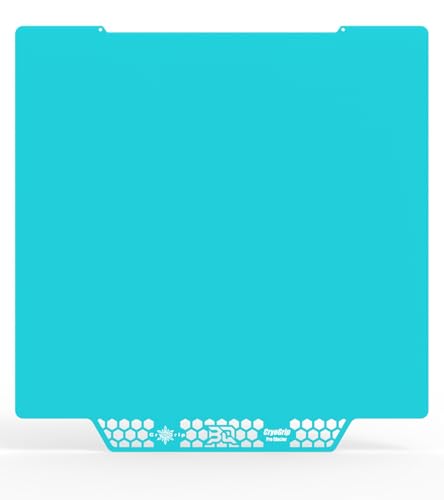 | Superior Adhesion | Compatibility: Prusa MK4, MK4S, MK3, MK3S, CORE One, CORE One+ | Voltage / Power Rating: Not applicable (build plate) | Material Type: Multi‑layer cobalt‑oxide coated steel (BIQU) | VIEW LATEST PRICE | Read Our Analysis |
| Ruby Nozzle 0.4mm for Prusa MK4/XL 3D Printer |  | Abrasive Pro | Compatibility: Prusa MK4, MK4 XL | Voltage / Power Rating: Not applicable (nozzle) | Material Type: Ruby tip, nickel‑coated copper alloy (DUROZZLE) | VIEW LATEST PRICE | Read Our Analysis |
| Nozzles 3D Printer MK4 Hardened Brass 0.4mm Compatible with Prusa XL/MK4/MK3.9 | 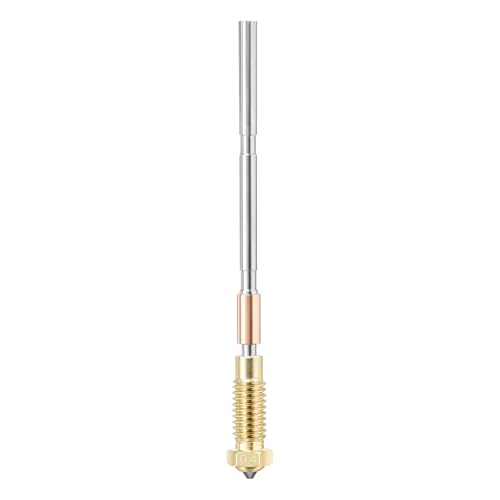 | Hardened Steel | Compatibility: Prusa XL, MK4, MK3.9 | Voltage / Power Rating: Not applicable (nozzle) | Material Type: Hardened steel bimetallic, brass tip (xirbbo) | VIEW LATEST PRICE | Read Our Analysis |
| PEO+Textured PEI Build Plate for Prusa 3D Printers | 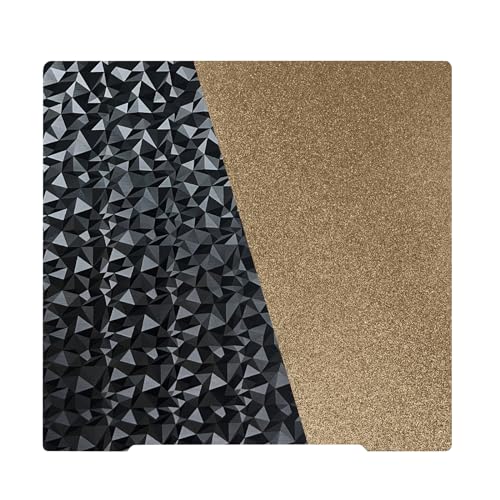 | Dual‑Surface Flex | Compatibility: Prusa MK2‑MK4, CORE One series | Voltage / Power Rating: Not applicable (build plate) | Material Type: Spring‑steel with PEO/PEI coating (Bell Tech) | VIEW LATEST PRICE | Read Our Analysis |
| E3D Prusa ObXidian MK4/XL Nozzle – 1 pcs – 0.4mm | 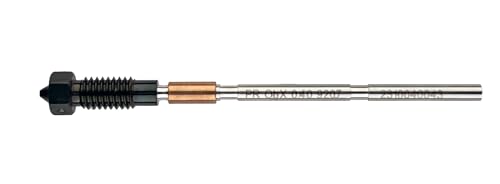 | Ultra‑Durable | Compatibility: Prusa Nextruder, MK4, XL | Voltage / Power Rating: Not applicable (nozzle) | Material Type: Tool‑steel insert, E3DLC coating (E3D) | VIEW LATEST PRICE | Read Our Analysis |
| Prusa Enclosure Modular Box for MK4/MK3 High‑Temp Printing |  | Enclosure Essential | Compatibility: Prusa MK3S+, MK4 | Voltage / Power Rating: Not applicable (enclosure) | Material Type: Metal frame (Prusa) | VIEW LATEST PRICE | Read Our Analysis |
More Details on Our Top Picks
Prusa MK4 Thermistor & Heater Cartridge Kit (24V 40W)
If you’re trying to print polycarbonate or nylon on a Prusa i3 MK4, the extra heat can be a hassle. This kit drops a 145 mm ceramic heater cartridge into your hotend, letting you reach up to 300 °C without the usual overheating worries. You’ll also get a 125 mm 100 kΩ thermistor that keeps temperature readings spot‑on, so your prints stay consistent.
For anyone who wants a plug‑and‑play upgrade, the kit arrives ready to install with 2‑pin MX connectors, meaning you won’t need to re‑wire anything. The ceramic material converts electricity to heat efficiently, while the thermistor’s resistance shifts with temperature, giving your controller the data it needs to stay stable.
What makes this heater‑cartridge combo stand out is the lightweight design—each component weighs less than a quarter of an ounce—so you won’t add bulk to your printer. The kit fits the standard extruder hotend assembly on MK4, MK4 XL, and MK3.9 models, so just verify your printer before you buy.
You get reliable high‑temperature performance without hunting for separate parts. The short‑length connectors make wiring a breeze, and the solid ceramic construction means you won’t be constantly replacing components.
Perfect for hobbyists who love experimenting with high‑temp filaments, this upgrade gives you the confidence to push your printer’s limits safely.
- Compatibility:Prusa i3 MK4 XL, MK4, MK3.9 series
- Voltage / Power Rating:24 V 40 W heater
- Material Type:Ceramic heater, 100 K thermistor (TIEXYE)
- Size / Dimensions (Physical):3.93 × 2.14 × 0.59 in (package)
- Weight:0.16 oz
- Release Date (First Availability):16 Nov 2026
- Additional Feature:Plug‑and‑play MX connectors
- Additional Feature:Ceramic heating cartridge
- Additional Feature:100K thermistor type
FYSETC Prusa i3 MK4 XL Hotend Kit 0.4mm Nozzle 24V Heater Cartridge
If you’re tired of fumbling with a PTFE tube every time you change a nozzle, this hotend kit lets you swap V6 nozzles in seconds. For anyone who prints a mix of PLA, ABS, TPU, and PETG, the copper adapter and aluminum heating block keep temperatures steady, and the 24 V, 40 W ceramic cartridge heats up quickly. You get both brass and hardened‑steel 0.4 mm nozzles, so you can tackle standard and abrasive filaments without extra purchases. What makes this hotend stand out is its separable design, which means you never have to dismantle the whole head to replace a nozzle. You get reliable temperature monitoring from the included 100 K sensor, so your prints stay consistent on any Prusa Core One MK4S, MK4, or MK4 XL. Perfect for hobbyists who value speed and simplicity, the kit weighs just 3.52 oz and fits snugly into the printer’s existing dimensions. The compact package streamlines maintenance, letting you focus on creating rather than troubleshooting.
- Compatibility:Prusa Core One MK4S/ MK4 XL (i3 MK4 XL)
- Voltage / Power Rating:24 V 40 W heater
- Material Type:Ceramic heater, 100 K thermistor, aluminum block (FYSETC)
- Size / Dimensions (Physical):3.58 × 1.69 × 0.75 in (package)
- Weight:3.52 oz
- Release Date (First Availability):30 May 2026
- Additional Feature:No PTFE tube design
- Additional Feature:Interchangeable V6 nozzles
- Additional Feature:Dual‑material nozzle set
BIQU CryoGrip Pro Glacier Build Plate for Prusa 3D Printers
If you struggle with first‑layer adhesion on your Prusa MK4, the CryoGrip Pro Glacier plate gives you a solid grip without changing your workflow. It snaps onto the magnetic substrate exactly where the stock plate sits, so you keep the same print settings and don’t need extra brackets. The plate measures 254.5 × 241.5 mm and fits MK4, MK4S, MK3, MK3S, CORE One and CORE One+ perfectly.
For anyone who hates waiting for the build plate to cool before removal, the hollow handle lets you lift the plate while it’s still warm, cutting down cooldown time. The seven cobalt‑oxide layers protect the surface from impacts and corrosion, while the smooth finish keeps bottom surfaces clean. You can simply wash it with water to restore grip, saving energy and speeding up turnaround.
What makes this build plate stand out is its ability to release prints with a gentle bend, then flatten automatically for the next job. PLA, PETG, ABS and PA all stick well, and the magnetic hold keeps the plate firmly in place during printing. You get reliable adhesion without the hassle of extra hardware.
- Compatibility:Prusa MK4, MK4S, MK3, MK3S, CORE One, CORE One+
- Voltage / Power Rating:Not applicable (build plate)
- Material Type:Multi‑layer cobalt‑oxide coated steel (BIQU)
- Size / Dimensions (Physical):254.5 × 241.5 mm (plate)
- Weight:13.1 oz
- Release Date (First Availability):14 Jan 2026
- Additional Feature:Seven‑layer cobalt oxide coating
- Additional Feature:Hollow‑out removal handle
- Additional Feature:Quick‑cool removal
Ruby Nozzle 0.4mm for Prusa MK4/XL 3D Printer
If you print carbon‑fiber or metal‑filled filaments and hate clogged nozzles, the ruby tip is the answer. Its genuine ruby tip resists wear far better than steel, so you’ll see fewer clogs and a longer service life. You’ll appreciate the nickel‑coated copper alloy body that conducts heat efficiently, keeping temperatures stable.
For anyone who wants to switch between PLA, ABS, PETG, TPU, Nylon, and abrasive composites without swapping parts, this nozzle delivers. The funnel‑shaped geometry reduces dead corners, minimizing material buildup and the risk of carbonization. You’ll spend less time cleaning and more time printing.
What makes this nozzle stand out is its lightweight design—just 0.634 oz—so it fits comfortably in a compact package. The easy storage means you can keep it handy for when you need it. Warranty and support are available through the manufacturer, giving you peace of mind if issues arise.
- Compatibility:Prusa MK4, MK4 XL
- Voltage / Power Rating:Not applicable (nozzle)
- Material Type:Ruby tip, nickel‑coated copper alloy (DUROZZLE)
- Size / Dimensions (Physical):3.74 × 1.73 × 0.35 in (package)
- Weight:0.634 oz
- Release Date (First Availability):1 Sep 2026
- Additional Feature:Genuine ruby tip
- Additional Feature:Funnel‑shaped geometry
- Additional Feature:Nickel‑coated copper alloy
Nozzles 3D Printer MK4 Hardened Brass 0.4mm Compatible with Prusa XL/MK4/MK3.9
If you’re printing carbon‑fiber or metal‑filled filaments and keep hitting worn‑out nozzles, this hardened‑brass 0.4 mm option solves that headache. Its bimetallic body pairs a hardened steel core with a precision brass tip, so you get leak‑free performance while the abrasive material barely scratches the surface. You’ll fit it straight onto Prusa XL, MK4, or Mk3.9 extruders—no adapters needed.
For anyone who wants faster layer deposition without sacrificing detail, the all‑metal design supports a high flow rate. You can keep printing PLA, ABS, PETG, TPU, or tougher composites at higher speeds, and the quick‑release mechanism makes swapping and cleaning a breeze. The package measures 4.96 × 4.17 × 0.39 in and weighs only 0.352 oz, so storage is effortless.
What makes this nozzle stand out is the combination of durability and ease of use. You get a tough, wear‑resistant tip that handles gritty filaments, and you won’t have to worry about frequent replacements. It’s a solid choice for hobbyists and industrial‑grade projects alike.
- Compatibility:Prusa XL, MK4, MK3.9
- Voltage / Power Rating:Not applicable (nozzle)
- Material Type:Hardened steel bimetallic, brass tip (xirbbo)
- Size / Dimensions (Physical):4.96 × 4.17 × 0.39 in (package)
- Weight:0.352 oz
- Release Date (First Availability):22 Mar 2026
- Additional Feature:Bimetallic hardened steel
- Additional Feature:All‑metal integrated design
- Additional Feature:High‑flow rate
PEO+Textured PEI Build Plate for Prusa 3D Printers
If you’re tired of swapping out build plates just to get the right grip, the double‑sided PEO + Textured PEI plate lets you flip between a slick, diamond‑pattern side and a high‑adhesion frosted side in seconds. The PEO film gives you clean releases with PLA, TPU, and PETG at 50‑70 °C for PLA/TPU and 70‑80 °C for PETG. It’s perfect for quick prints. The opposite side is a frosted PEI texture that holds ABS, ASA, and PC securely at 80‑100 °C, so you won’t waste time tweaking settings. Both sides sit on a spring‑steel sheet that stays flat, flexes for easy part removal, and needs no glue under normal conditions. The plate measures 241 × 253.8 mm and fits every Prusa MK series and Core One model. It arrives in a compact 11.73 × 10.83 × 0.67‑inch box weighing 10.8 oz. Use the PEO side for fast, clean releases, and switch to the PEI side when you need extra adhesion, especially in an enclosed printer for ABS prints. This upgrade saves you time and hassle.
- Compatibility:Prusa MK2‑MK4, CORE One series
- Voltage / Power Rating:Not applicable (build plate)
- Material Type:Spring‑steel with PEO/PEI coating (Bell Tech)
- Size / Dimensions (Physical):241 × 253.8 mm (plate)
- Weight:10.8 oz
- Release Date (First Availability):20 Feb 2026
- Additional Feature:Double‑sided PEO/PEI surface
- Additional Feature:Spring steel substrate
- Additional Feature:Diamond‑pattern PEO side
E3D Prusa ObXidian MK4/XL Nozzle – 1 pcs – 0.4mm
If you print abrasive or filled filaments on a Prusa MK4 or XL, you’ll need a nozzle that won’t wear out quickly. This E3D Prusa ObXidian nozzle uses a tool‑steel insert coated with E3DLC, a hard, non‑stick layer that resists wear far better than brass. Its all‑metal filament guide keeps the whole path metal, cutting heat loss and stopping plastic buildup.
For anyone who wants fine detail without frequent replacements, the 0.4 mm diameter delivers crisp lines even with carbon‑filled nylon or metal‑filled filaments. You’ll notice smoother changes and fewer clogs because the hardened coating maintains consistent flow. The compact size—5.79 × 4.65 × 0.88 in—and light weight of 0.528 oz make storage a breeze.
What makes this nozzle stand out is the combination of durability and precision. You get a tough, long‑lasting part without sacrificing print quality. It lets you push your printer’s limits, extending uptime and lowering maintenance costs.
- Compatibility:Prusa Nextruder, MK4, XL
- Voltage / Power Rating:Not applicable (nozzle)
- Material Type:Tool‑steel insert, E3DLC coating (E3D)
- Size / Dimensions (Physical):5.79 × 4.65 × 0.83 in (package)
- Weight:0.528 oz
- Release Date (First Availability):10 Oct 2026
- Additional Feature:Tool steel insert
- Additional Feature:E3DLC non‑stick coating
- Additional Feature:Full‑metal filament guide
Prusa Enclosure Modular Box for MK4/MK3 High‑Temp Printing
If you’re printing ABS or polycarbonate, you’ll love how the enclosure keeps the heat steady and cuts warping. Its metal frame and sealed design hold temperature even when the bed is hot, so your prints stay flat. The box measures 530 × 545 × 715 mm, giving you enough headroom to add a MMU2S for multi‑material jobs.
For anyone who works in a shared workshop, the black metal construction won’t warp at 120 °C, and you can add air filtration or fire suppression for extra safety. You’ll assemble the panels and fasteners yourself before sliding the MK3S+ or MK4 inside. Passive heat retention from the heated bed minimizes drafts, which reduces odor and warping.
What makes this enclosure stand out is the optional LED lighting that lets you see your prints without opening the door. You get a tidy, low‑maintenance setup that fits your printer perfectly. It arrives as a disassembled kit, so you can put it together in a weekend.
Perfect for hobbyists who need a reliable, temperature‑controlled environment, this enclosure gives you peace of mind. You’ll have lifetime technical assistance and 24‑hour customer service if anything goes wrong. The design is simple, sturdy, and ready for upgrades whenever you need them.
- Compatibility:Prusa MK3S+, MK4
- Voltage / Power Rating:Not applicable (enclosure)
- Material Type:Metal frame (Prusa)
- Size / Dimensions (Physical):530 × 545 × 715 mm (inside)
- Weight:10.6 kg
- Release Date (First Availability):13 May 2026
- Additional Feature:Modular disassembled kit
- Additional Feature:Upgradable air‑filtration
- Additional Feature:Headroom for MMU2S unit
Factors to Consider When Choosing a Prusa MK4
If you’re worried about firmware hiccups, make sure the printer you own or plan to buy talks to with the MK4’s firmware and accessories. For anyone who needs bigger prints, compare the MK4’s build volume to your typical project size. You’ll find that nozzle material—brass, hardened steel, or ruby—determines durability and which filaments you can reliably use.
What makes this 3D printer stand out is its heater and thermistor quality, giving you stable temperature control for consistent results. You get a build‑plate surface—PEI, glass, or magnetic—that matches the adhesion needs of your chosen filaments. Pick the surface that feels right for you, and you’ll avoid warping and adhesion problems.
Perfect for hobbyists who love experimenting, the MK4 lets you swap nozzles without a hassle. You’ll appreciate the quick‑change design, and you’ll spend less time fiddling and more time printing. Choose the right nozzle and plate, and you’ll keep your prints coming out great.
Printer Model Compatibility
If you’re swapping out a part on your Prusa MK4, the first thing to check is whether it explicitly lists compatibility with your exact model—standard MK4 or MK4 XL. You’ll want hotends, nozzles, and build plates that match, because dimensions and thread sizes differ. Verify that the electrical specs line up: voltage, wattage, and thermistor resistance must suit your printer’s power system and firmware, or you risk overheating or weak heating.
For anyone who wants a hassle‑free upgrade, make sure the heater cartridge length, thermistor lead length, and plug style fit without forcing. You don’t want to wrestle with mismatched connectors. Check that the firmware can handle the new sensor curves and PID settings, so temperature control stays accurate.
What makes this upgrade stand out is its focus on the right build volume and extruder setup. If you have a single‑extruder, pick a part designed for that; if you’re moving to a dual‑extruder, choose accordingly. This avoids performance gaps and keeps your prints reliable.
You get reliable compatibility without guessing. Just cross‑check the dimensions, electrical specs, and firmware requirements before you buy. This simple step saves you time and frustration.
Print Volume Requirements
If you’re planning a new project, start by measuring the biggest part you want to print and see if it fits inside the Prusa MK4’s build volume. You’ll want the printer’s usable space to be about 10–20 % larger than your part so you have room for skirts, supports, or multiple pieces. Check the XY footprint and Z height separately; tall, narrow prints need extra Z clearance while wide objects demand more XY space.
For anyone who batch‑prints, add up the total area and leave gaps to avoid collisions and keep cooling efficient. Remember that supports, brims, and rafts increase the required footprint, so factor them in. Larger volumes can lead to longer prints, more waste, and higher warping risk, so balance size with reliability and throughput.
Nozzle Material Options
If you print mostly PLA or PETG, a brass nozzle will keep your flow steady and your details crisp. It conducts heat quickly, so you won’t have to wait for the hotend to warm up. You’ll love the low price and reliable performance.
For anyone who experiments with carbon‑filled or glass‑filled filaments, a hardened‑steel nozzle is a game‑changer. It resists wear and keeps your nozzle from gouging away, even with the toughest composites. You may need to bump the temperature a few degrees or slow the speed a bit, but the durability pays off.
What makes a bimetal nozzle stand out is its blend of steel core and brass tip. You get the wear resistance of steel where the filament contacts the nozzle, while the brass tip still spreads heat efficiently. This hybrid design lets you switch between abrasive and standard filaments without swapping parts.
You get a gemstone‑tipped nozzle without the constant hassle of clogs. The DLC coating reduces sticking, so you spend less time cleaning and more time printing. It’s perfect for long runs on composite materials.
The stainless‑steel option solves the food‑safety problem for you. It won’t corrode when you print with acidic or chemically active filaments, keeping your prints safe for culinary use. It heats a little slower than brass, so give it a moment to reach temperature before fine‑detail work.
Perfect for hobbyists who love variety, this range of nozzle materials lets you match the tool to the job. Swap the nozzle, adjust temperature, tweak retraction, and you’ll keep your prints smooth and your printer happy.
Heater and Thermistor Quality
If you want your printer to reach temperature quickly without stressing the power supply, choose a 24 V heater cartridge that draws around 40 W. You’ll get fast heating, but make sure your wiring and PSU can handle the current safely. The cartridge’s length and connector should match your hotend, and you’ll need high‑temperature connectors that stay reliable near 300 °C.
For anyone who worries about temperature accuracy, pick a 100 K NTC thermistor with a clear resistance curve and a known part number. Your firmware can then translate resistance to temperature precisely up to 300 °C. Use a thermistor that’s rated for long‑term cycling to keep drift and failures to a minimum.
What makes this combination stand out is the balance of speed and stability. Ceramic heaters and thermistors designed for repeated heating cycles reduce drift. Test your PID tuning; stable control with low overshoot and quick recovery improves print quality and prevents thermal runaway.
Build Plate Surface Choices
If you’re struggling to get a solid first layer on your prints, a textured build‑plate surface can be a game‑changer. It grips PLA, TPU, and PETG like a champ, giving you a matte bottom that stays put without extra tricks. The downside is that it can be harder to peel off later, so you might need a little patience.
For anyone who prefers a sleek, professional look on the underside of a model, a glass‑like plate is the go‑to choice. It delivers a smooth, glossy finish that looks great for display pieces, and you can still use a glue stick if you’re printing high‑temp filaments like ABS. Just remember that glass can be a bit fickle with adhesion, so a quick test run helps.
What makes a spring‑steel plate stand out is how easy it is to remove prints—just flex the plate and the part pops off. This is perfect for hobbyists who want to keep the workflow fast and avoid damaging delicate models. Rigid plates stay flatter, but you may need a spatula or a bit more force to lift the print.
You get a multi‑layer coating that resists peeling and washes clean with water, so you spend less time fighting grime. This is ideal for users who switch between filaments often and don’t want to re‑apply adhesives each time. Untreated surfaces, on the other hand, often need a glue stick or hairspray to stay reliable.
The product solves the temperature‑control hassle by staying just warm enough at 100 °C, letting you handle prints sooner. If you’re printing PLA or TPU, you’ll be happy with a bed temperature of 50–70 °C, while PETG prefers 70–80 °C and ABS/ASA need 80–100 °C, usually with an enclosure. Choose the plate that matches your filament’s sweet spot for the smoothest results.
Enclosure and Temperature Control
If you’re tired of ABS prints curling and warping, an enclosure for your Prusa MK4 keeps the whole build area at a steady temperature. It creates a stable ambient environment, cutting down the thermal gradients that cause large parts to curl. You’ll notice smoother walls and fewer failed prints.
For anyone who prints Nylon or high‑temperature composites, choose an enclosure that can handle 80‑100 °C. Heat‑resistant plastics or metal work best, and you’ll want passive heat retention plus a vent to keep the electronics cool. Install a thermistor or external sensor to monitor chamber and bed temperatures, then set safety limits to avoid overheating.
What makes this enclosure stand out is the balance between part cooling and chamber stability. Direct airflow cools the hotend without creating drafts across the build plate, so you get consistent cooling while maintaining a steady chamber temperature. Add a filtration unit if you work with composite filaments, and you’ll keep fumes under control.
Firmware Update Support
If you want a printer that stays safe and reliable over time, the MK4’s firmware update system is a lifesaver. You’ll get regular patches that fix safety bugs, thermal‑runaway issues, and mesh‑bed quirks within months of major releases. The controller only accepts signed firmware, and you can access a DFU or ISP bootloader if you ever want to try community or custom builds.
For anyone who worries about losing settings after an update, the firmware lets you tweak heater and thermistor profiles, PID values, max temperature limits, and motion parameters like acceleration and jerk with ease. You can also roll back to a previous version using built‑in safe‑mode and EEPROM backups, so a bad flash won’t brick your printer.
What makes this firmware stand out is the clear changelog that lists new G‑code commands, bug fixes, and tuning tweaks, helping you gauge stability before you upgrade. You get all the essential controls without needing a tech‑savvy manual.
You get peace of mind knowing the system includes OTA fail‑safes and a strong recovery path, so you can experiment or stick to official releases without fear.
Price vs Performance Balance
If you want faster heating without constant temperature swings, a higher‑wattage heater cartridge is the answer. It gets the hotend up to speed quickly and holds steady during rapid prints, so you can push more parts out in less time. The trade‑off is a higher price tag and a bit more maintenance.
For anyone who prints abrasive composites, upgrading to a hardened or coated nozzle makes a big difference. Those nozzles resist wear, letting you tackle carbon‑fiber or metal‑filled filaments without frequent replacements. They do cost more than standard brass and may change heat‑up time slightly.
What makes a premium build plate stand out is its ability to keep the first layer glued and flat. You’ll see fewer warps and less post‑processing when printing engineering filaments, which saves you hours in the long run. The upfront cost is higher, but the time saved pays off.
You get reliable thermal control without sacrificing space by adding an enclosure. It keeps high‑temperature materials stable, reduces odor, and prevents warping. Just remember it adds to the total system expense and needs extra room.
Perfect for hobbyists who dabble in advanced materials, this combination of upgraded heater, nozzle, plate, and enclosure balances cost and performance. If you only print basic PLA occasionally, you’ll get the best value with modest components. If you print a lot of tough or high‑temp filaments, the higher‑cost upgrades are worth the boost in reliability and speed.
Frequently Asked Questions
How Does the Prusa MK4 Firmware Handle Filament Runout Detection?
You firmware monitors the runout sensor via a dedicated input pin, checks the signal each millisecond, and compares it to a threshold that indicates filament presence. When the sensor reports a break, the firmware pauses the print, raises the nozzle, and displays a “Filament Runout” message. After you insert new filament and confirm, the firmware resumes from the last saved layer, using the stored coordinates to continue smoothly.
Can I Use the MK4 With a Dual‑Extruder Setup?
Yes, you can run a dual‑extruder on the MK4, but you’ll need a compatible upgrade kit that adds a second hot‑end, a second extruder motor, and a modified firmware profile. The firmware must be configured to manage two temperature controls, separate filament sensors, and synchronized motion planning, which it supports through its modular architecture. Install the hardware, flash the dual‑extruder firmware, calibrate each nozzle’s offset, and you’ll be ready to print with two materials simultaneously.
What Is the Recommended Maintenance Schedule for the Mk4’s Bowden Tube?
Think of the bowden tube as a river that carries filament; you keep it clear, and your prints flow smoothly. You should inspect it weekly for wear, replace it every six months, and clean it monthly by pushing a short filament piece through to remove dust. Tighten the tube couplings each time you change filament, and check the PTFE liner for scratches whenever you notice clogs. Consistent upkeep prevents jams and maintains dimensional accuracy.
Does the MK4 Support Automatic Bed Leveling With Third‑Party Sensors?
Yes, the MK4 can use third‑party auto‑leveling sensors, but you must install the firmware manually. First, download the latest Prusa firmware that supports custom sensor definitions. Then, edit the configuration file to specify your sensor type, wiring pins, and trigger height. After flashing the firmware, run the calibration routine so the printer probes the bed and creates a mesh map. Finally, verify the mesh by printing a thin test layer to make sure even first‑layer adhesion.
How Does the Mk4’s Power Consumption Compare to Previous Prusa Models?
You’ll find the MK4 uses about 120 W at peak, which is roughly 15 % lower than the MK3S+ that draws around 140 W, and it’s markedly more efficient than the original MK3, which often reached 160 W during heavy moves. The new power‑supply design reduces idle draw to under 5 W, while the upgraded stepper drivers cut current spikes, so overall energy consumption drops without sacrificing print speed or quality.