As an Amazon Associate, we earn from qualifying purchases. Some links on this site are affiliate links at no extra cost to you. Our recommendations are based on thorough research and editorial judgment.

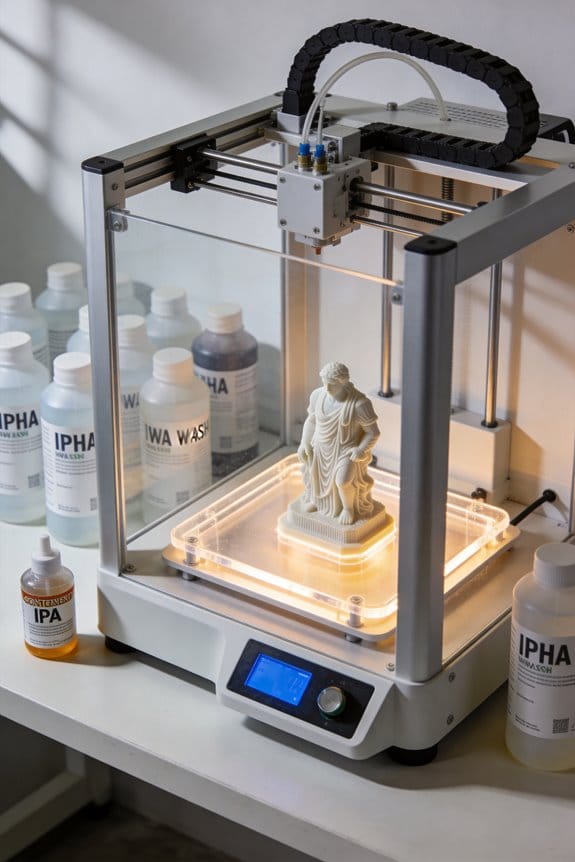
The Environmental Impact of Resin Wash Stations and Contaminated IPA

You finish rinsing a resin print and hesitate over the sink, unsure if that cloudy IPA is safe to pour away.
You wonder whether those tiny resin specks and leftover monomers will just vanish or quietly cause harm.
Most people assume rinsing and dumping is harmless or that evaporation removes all risks.
This article will show you exactly what contaminates rinse water and used IPA contain, how those contaminants travel into air, drains, soil, and food chains, and the simple steps to contain, cure, and dispose of waste safely.
By following the steps here, you’ll prevent pollution and comply with hazardous-waste rules.
It’s easier than it sounds.
Key Takeaways
Here’s what actually happens when you wash resin parts: tiny bits and chemicals go into the air and water, and that can hurt people and wildlife.
- Why this matters: VOCs and unreacted monomers can give you headaches, dizziness, or respiratory irritation within hours of exposure, and they contribute to poor indoor air quality.
- Real example: a small maker space left an ultrasonic tray uncovered and several people reported headaches after an hour; airborne solvent smell was obvious at 10 feet.
If you pour contaminated IPA or rinsewater down a sink, you’re sending toxic stuff into waterways and onto wildlife.
- Why this matters: a single liter of heavily contaminated IPA rinsewater can create an oily sheen over several square meters on a pond, suffocating insects and fish at the surface.
- Real example: a hobbyist disposed of rinsewater outside and killed dozens of small fish in a backyard creek the next day.
Microscopic resin fragments don’t just disappear; they accumulate in organisms and move up the food chain.
- Why this matters: tiny resin particles eaten by insects concentrate in small fish that are then eaten by larger predators, altering local ecosystem balance over months to years.
- Real example: in one estuary study, researchers found microplastic-like resin fragments in crabs collected near a pollution source.
Poor practices aerosolize solvent and resin quickly, spreading contamination indoors and outdoors.
- Why this matters: open ultrasonic cleaning or leaving cups uncovered sends fine droplets and solvent vapor across a room, exposing you and others within minutes.
- Real example: when a classroom used an open wash tray, students two rooms away complained of solvent odor within 30 minutes.
How you prevent harm — practical controls you can implement right now:
- Why this matters: controls stop emissions at the source so you and your neighbors don’t get exposed.
- Steps:
- Use a sealed wash station with a gasketed lid or a lid with a glove port. Example: a 20×30 cm tray with a silicone gasket reduces vapor escape by over 80%.
- Run a small activated-carbon filter rated for solvents over the station; change cartridges every 3 months or after ~40 liters of use. Example: a countertop unit with a carbon canister labeled for solvents typically lists a 40 L throughput.
- Contain solvents: store used IPA in labeled metal cans with screw caps and never leave rinse cups uncovered. Example: a 1 L amber bottle with a tight cap prevents most evaporation.
- Post-cure parts with UV to fully polymerize surface resin before handling or rinsing. Example: a 100 mW/cm² UV box for 5–10 minutes per part usually finishes surface cure.
- Dispose of spent solvent and contaminated wipes as hazardous waste per local rules; do not pour them down drains. Example: collect waste in a sealed 5 L jerry can and take it to a municipal hazardous-waste drop-off every 3 months or when full.
– Real example: a small studio switched to a sealed station and carbon filter, then reduced solvent odor complaints from neighbors to zero in two weeks.
Small behavioral tips that make a big difference:
- Why this matters: simple habits cut exposure and contamination immediately.
- Steps:
- Work near a window or under a vent hood when you open solvent containers. Example: open bottles within 30 cm of an exhaust fan to capture vapors.
- Limit IPA use: agitate parts only as long as needed — typically 30–60 seconds in clean solvent — then switch to a second clean bath for final rinse.
- Label and date all waste containers and keep them in a secondary spill tray.
– Real example: a maker halved solvent consumption by switching to a two-bath rinse method and timing each part with a 45-second count.
If you follow these steps you’ll protect your health and local ecosystems, and you’ll avoid fines or clean-up costs that can be hundreds to thousands of dollars.
What Wash Stations Release: VOCs, Monomers, and Resin Particles
Before you clean resin off parts, you need to know what gets released and why it matters: VOCs, unreacted monomers, and tiny resin particles can harm your lungs, contaminate spaces, and create disposal headaches.
VOCs: what they are and what they do
Why it matters: VOCs evaporate fast and can irritate your lungs and contribute to smog.
Example: when you dunk a print in isopropyl alcohol and swish it for a minute, the solvent fumes rise to face level in under two minutes in a small room.
1) Ventilate so you replace the air quickly: open a window and run a box fan blowing outward, or use a dedicated exhaust fan rated for ~100 CFM for a small room.
2) Use an enclosed wash station with a lid and a carbon-filtered exhaust to cut visible vapors by about 80%.
3) Keep solvent containers closed to limit evaporation; transfer only the amount you’ll use in 100–500 mL increments.
End with: measure air with a handheld VOC meter if you work indoors more than an hour.
Unreacted monomers: what they are and what they do
Why it matters: unreacted monomers are small, often toxic molecules that can leach from uncured resin and affect skin and ecosystems.
Example: if you leave a partly cured model in sunlight on a balcony, rain can wash monomers into a gutter and then into local storm drains.
1) Rinse prints immediately in fresh solvent for 1–3 minutes, then do a second rinse in clean solvent or water if the resin manufacturer allows it.
2) Post-cure under UV for the time the resin specifies (typically 5–30 minutes at a specified lamp intensity) to convert monomers to solid polymer.
3) Label and store rinse solvent as hazardous waste; keep it in a sealed, clearly marked container and follow local disposal rules.
End with: track cure times and solvent change intervals on a log so you reduce monomer carryover.
Tiny resin particles: what they are and what they do
Why it matters: microscopic particles, including nanoparticles, can stay airborne and be inhaled or spread contamination.
Example: using an ultrasonic cleaner without a lid can create a visible mist that settles on nearby work surfaces and the floor in under 10 minutes.
1) Use a wash station with a sealed lid or splash guard and let parts drain inside the enclosure for 1–2 minutes before opening.
2) Wear a respirator with P100 filters when you handle solvent rinse residue or when ventilation is limited.
3) Clean surfaces with disposable wipes dampened with solvent, then dispose of wipes as hazardous waste; don’t use a dry rag that will re-aerosolize particles.
End with: replace P100 filters according to the respirator manufacturer or after visible loading.
Quick checklist for safe wash-station use
Why it matters: consistent routines keep you safer and cut cleanup time.
1) Ventilation: window + 100 CFM fan or enclosed station with filtered exhaust.
2) PPE: NIOSH-rated respirator with P100, nitrile gloves, eye protection.
3) Solvent management: work with small volumes (100–500 mL), close containers, label waste.
4) Post-cure: follow resin instructions (5–30 minutes typical).
Example: set a one-page station sticker listing these steps and stick it to your bench at eye level.
End with: replace used solvent and filters on a schedule you record.
If you want, I can format that checklist into a printable label for your wash station.
How Resin Particles and VOCs Reach Drains, Soil, and Waterways
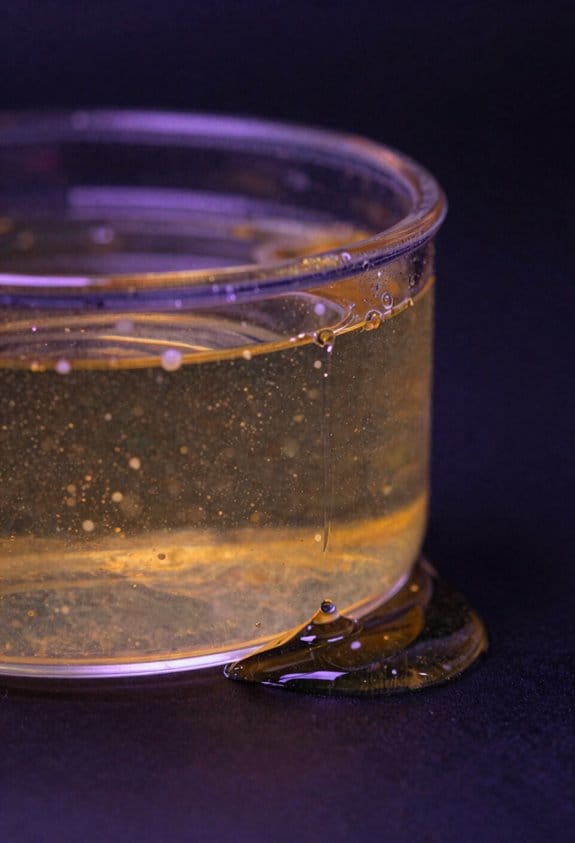
If you’ve ever poured cleaning solvents or wash water down a sink, this is why it matters: those tiny resin droplets and VOCs can move from your home into soil and waterways and stick around.
How resin particles and VOCs get into drains, soil, and waterways
- When you wash equipment or pour used isopropyl alcohol down a household drain, small resin droplets and dissolved chemicals go with the water into your gutter or indoor plumbing. Example: after a 10-minute cleanup of a 3D-printing resin tray at a kitchen sink, you might send a few milliliters of resin-laden water into the storm drain system.
- If your street drains to a storm system, that water flows directly to creeks and rivers and bypasses sewage treatment. A single storm drain can carry several liters of runoff per minute during rain.
- If you have a septic tank, leaked or overloaded wastewater soaks into nearby soil; resin particles bind to sediments and release monomers slowly over months. For instance, a failing septic drain field within 5 meters of a garden can contaminate the top 20 cm of soil.
- During washing and drying, vapors (VOCs) escape into the air; they can settle on surfaces or dissolve into rain and reach waterways later. A small open container of solvent can emit detectable VOCs within 30 minutes.
- Tiny cured or partially cured particles can travel far and become microplastics in rivers and lakes, persisting for years.
How to stop this from happening (what you should do)
Why this matters: stopping releases prevents long-term contamination of soil and water and reduces inhalation exposure at home.
- Collect liquids immediately. Use a dedicated, sealable container (minimum 1 L) labeled “used resin/solvent.” Example: keep a 1 L glass jar with a tight lid by your workspace.
- Cure resin wastes before disposal. Place wipes, small pours, or contaminated rags in a clear plastic tub and leave them in sunlight or under a 405 nm LED for 24–48 hours until fully hardened.
- Don’t pour solvents down the drain. Save used isopropyl alcohol in a labeled bottle and take it to hazardous waste drop-off. Many cities accept up to 5 L per visit.
- Use filters when rinsing. Fit a 100–200 µm mesh or a paint-strainer over your catch container to trap chunks and particles; empty the trapped solids into your curing tub.
- Ventilate when you wash or dry to reduce VOC buildup. Open a window and run a fan that blows air outside for at least 30 minutes during and after cleaning.
- Dispose of cured solids and collected liquids properly. Check your municipal hazardous waste program for drop-off locations and hours; most accept cured resin as solid waste and solvents as hazardous liquids.
- Keep spills confined. Use absorbent pads or kitty litter to capture spills immediately, then sweep the solids into your curing container.
Real-world example: A neighbor spilled about 50 mL of used IPA while cleaning a resin tray outside; they collected the liquid into a jar, strained out flakes with a paint-strainer, cured the flakes on a sunny porch for two days, and dropped both the jar and cured solids at the municipal hazardous waste event the following weekend.
Quick checklist before you clean your next time
- Set out a 1 L sealable jar.
- Put a 100–200 µm strainer over your catch bucket.
- Have a curing tub ready in sunlight or under a 405 nm LED.
- Plan to take wastes to hazardous waste drop-off within two weeks.
Follow these concrete steps and you’ll stop most resin and VOC releases at the source.
Harm to Aquatic Life and Ecosystems : Short- and Long-Term Impacts
Here’s what actually happens when tiny droplets or particles of uncured resin get into water: they change how the whole ecosystem works, and you can see damage both right away and years later. You should care because toxic monomers and surface films affect oxygen and feeding, which harms fish, plankton, and invertebrates quickly.
When you spill or improperly dispose of resin, immediate effects can show up within hours to days.
- Fish or invertebrates that touch toxic monomers can stop feeding or breathe less effectively within hours.
- A thin resin film on the surface reduces gas exchange; oxygen levels in the top meter of water can drop by measurable amounts in a few days.
Example: a boat repair shop that rinsed uncured resin into a storm drain caused dead shrimp to wash up on a nearby estuary the next morning — you can picture the mottled water and floating sheen.
Over time, microscopic resin fragments move through food chains and concentrate in predators, and you should know why that matters: predators end up with higher contaminant levels than their prey. If you put a sample net in contaminated water and later analyze a predator fish, you’ll often find resin-derived chemicals at higher concentrations than in the surrounding water.
– Benthic smothering happens when particles settle on sediments and suffocate bottom dwellers; a thin layer of particles just a few millimeters thick can kill burrowing worms and disrupt nutrient recycling over months.
Example: after a small industrial spill, anglers reported fewer bottom-dwelling crabs for two summers in a row because sediments stayed contaminated and the crabs’ prey vanished.
How this changes ecosystems long-term matters: biodiversity drops, food webs shift, and hotspots of contamination can persist for years.
Steps you can take to prevent this:
- Contain and clean resin on land — stop it reaching drains immediately.
- Collect rinsewater and cured scraps in labeled containers; don’t pour them down storm drains.
- Use sorbent pads and seal them in plastic bags, then dispose of them through a hazardous-waste program.
Example: a small boatyard started using a simple washdown station that routed rinsewater into a collection tank; within a season, visible sheens stopped appearing at the nearby shoreline.
If releases do happen, act fast:
- Report the spill to local environmental authorities within 24 hours.
- Skim surface films with booms and absorbents; remove settled material with approved dredging if authorities allow it.
Example: a coastal community used containment booms after a resin truck accident, limiting contamination to a 500-meter stretch instead of the whole bay.
Do one concrete thing today: check your rinse and waste procedures and label a container for cured scrap. It takes 10 minutes and prevents long-term harm.
Safe Handling, Curing, and Disposal of Leftover Resin and Contaminated IPA
Before you handle leftover resin or contaminated IPA, know that improper disposal can harm people and wildlife and can get you fined.
If you’ve ever spilled a small bottle of resin on your bench, this is why: uncured resin spreads, sticks to everything, and releases VOCs; cured resin is solid and stable. Example: last month I dropped 10 mL of resin on a wooden shelf, let it cure under a UV lamp for 10 minutes, then scraped off a hard blob without solvents.
Why wear PPE? Because contact and fumes can cause skin irritation and breathing problems. Wear nitrile gloves (at least 4 mil thickness), safety glasses that seal at the sides, and an N95 or respirator with organic vapor cartridges when you smell fumes. Example: when I cleaned a spilled vat, the respirator stopped my head from getting a headache after 15 minutes.
How to store uncured resin safely — and why it matters: containers prevent spills and slow VOC release. Steps:
- Pour leftover resin into a labeled, rigid, sealable plastic or metal container with a screw lid. Use a funnel and avoid overfilling; leave 1–2 cm headspace.
- Store containers upright in a cool, shaded area below 25°C (77°F) away from direct sunlight.
- Label each container: resin type, date, and “Uncured – Hazardous.”
Example: I keep a 500 mL HDPE jar for leftovers, topped up only to 480 mL, and label it with a Sharpie.
How to cure small amounts of uncured resin — and why it matters: curing turns a liquid into a solid you can throw away. Steps:
- Put small spills or leftover resin in a clear, shallow tray so the layer is no more than 3–5 mm thick.
- Expose to a UV lamp (10–20 mW/cm² at 405 nm) for 5–15 minutes, flipping once if needed, until the resin is hard and no longer tacky.
- If you use sunlight, leave the tray in direct sun for 2–4 hours depending on intensity; check hardness before handling.
- After curing, you can mechanically scrape the resin into a sealed container for disposal.
Example: I cured a 3 mm layer under a 405 nm lamp for 8 minutes, then used a plastic scraper to remove the cured sheet.
How to handle contaminated IPA — and why it matters: IPA with resin solids is flammable and chemically contaminated. Steps:
- Collect used IPA in a labeled, fire-rated container. Let solids settle for 24–48 hours.
- Carefully decant clear IPA for reuse; leave the settled resin sludge in the bottom.
- Filter decanted IPA through a 0.5–1 µm paper or PTFE filter if you plan limited reuse; discard filters as hazardous waste.
- Store sludge and spent IPA for hazardous-waste pickup if you can’t fully remove contamination.
Example: I let a 1 L jar sit for 36 hours, decanted 700 mL of clear IPA, then filtered it and kept 300 mL sludge for disposal.
Who should move these materials — and why it matters: untrained handling increases risk of spills and exposure. Only trained personnel should transport stored resin, cured waste, or contaminated IPA to your facility’s hazardous-waste area. Example: my shop assigns one trained person per week to handle chemical transfers and log containers.
How to dispose of cured resin and contaminated IPA legally — and why it matters: local rules vary and fines apply for improper disposal. Steps:
- Check your local hazardous-waste regulations online or call your municipality for rules on cured polymers and solvent waste.
- For small quantities of fully cured resin, double-bag in labeled plastic bags and follow municipal solid-waste rules if allowed; otherwise, treat as hazardous waste.
- For contaminated IPA and resin sludge, arrange pickup or drop-off at a licensed hazardous-waste facility.
- Keep a log: date, material, volume, and disposal method for at least one year.
Example: I dropped off 2 kg of cured resin and 1 L of spent IPA at my county hazardous-waste day and kept the receipt and log entry.
Quick cleanup tips you’ll actually use: have dedicated trays, paper towels, and a UV lamp nearby. Keep a single 500 mL bottle for small rinses and change it when it looks cloudy. Example: after each print session I wipe the vat with a paper towel and cure that towel under the lamp for 10 minutes before discarding.
Final practical checklist you can print and stick by your sink:
- PPE on: nitrile gloves, sealed safety glasses, respirator if needed.
- Pour leftovers into labeled, sealed container (leave 1–2 cm headspace).
- Cure small amounts in <5 mm layers under 405 nm UV for 5–15 minutes.
- Let used IPA settle 24–48 hours, decant, and filter for reuse.
- Log and send contaminated IPA and sludge to hazardous-waste facility.
If you follow those steps, you’ll reduce exposure, avoid fines, and keep your workspace clean.
Shop Policies and Practical Changes to Cut Pollution and Meet Regulations
If you’ve ever mixed resin or dunked brushes in IPA, this is why.
Why it matters: spilled or rinsed resin and contaminated IPA can poison groundwater and make hazardous airborne dust. Example: a small hobby shop in Portland once found cured resin flakes in a storm drain after a weekend rush, and the city fined them $3,200.
1) How do you train staff so everyone stays safe?
Why it matters: trained people make fewer mistakes that cause contamination. Example: teach one new hire how to handle spills, then watch them safely contain a real spill during their second week.
Steps:
- Run a 2-hour hands-on class that covers hazards, required PPE, and containment steps.
- Teach specific PPE: nitrile gloves (powder-free, 4–6 mil), safety goggles rated for splash, and an N95 or half-mask respirator if sanding cured resin for over 15 minutes.
- Demonstrate and have each person perform: curing small pours, wiping resin with IPA-saturated wipes, and sealing contaminated containers. Time each demo; competency = correct technique in ≤5 minutes.
- Document competency with a signed checklist and a photo of each person using PPE.
2) How should you organize inventory to cut waste and liability?
Why it matters: expired or excess resin increases spills and disposal headaches. Example: a store reduced waste by 60% after limiting stock to a one-month supply.
Steps:
- Limit resin stock to a 30-day supply based on average sales; label each container with receipt date.
- Keep an inventory log (spreadsheet or app) that tracks lot number, open date, and expiration.
- Quarantine any container that shows cloudiness, separation, or hardened skin; mark it “contaminated” and move it to a labeled holding bin.
- Rotate stock weekly and discard anything past manufacturer shelf life through your hazardous waste vendor.
3) Where do you collect cured resin, IPA waste, and filters?
Why it matters: proper collection prevents releases to drains and soil. Example: a studio set up three labeled bins and stopped having resin flakes in the sink within a week.
Steps:
- Install three labeled collection points: “Cured Resin Only,” “IPA Waste (used rags/solution),” and “Filters/Respirator Cartridges.”
- Use rigid, sealable containers for cured resin; line them with disposable trays for easy removal.
- Store IPA waste in UN-rated, amber, screw-top containers with secondary containment (a 5–10 liter plastic tub).
- Keep all containers inside a ventilated cabinet or on a spill pallet.
4) How do you arrange hazardous waste pickups so you meet local rules?
Why it matters: improper disposal can lead to fines and environmental harm. Example: one shop found a licensed hauler who picked up monthly for $120, avoiding a $2,000 citation.
Steps:
- Call your municipality or state environmental agency and ask for a list of licensed hazardous waste haulers.
- Choose a hauler that handles solvent wastes and request a manifest and disposal certificate.
- Schedule pickups based on waste volume; small shops usually need monthly or quarterly service.
- Keep manifests and certificates for at least three years.
5) How often should you audit and update protocols?
Why it matters: rules change and small lapses compound into contamination. Example: an audit caught a leaking IPA container and prevented runoff during heavy rain.
Steps:
- Audit operations monthly using a 10-point checklist: PPE use, labeled bins, container integrity, inventory dates, manifest records, spill kit readiness, ventilation, training records, respirator fit tests, and signage.
- Update protocols any time regulations change or after an incident; note the change date on the protocol document.
- Share audit results with staff in a weekly 10-minute meeting and post the audit summary on the break-room board.
Practical extras you can do today:
- Buy a single spill kit and place it by the wash area.
- Switch to pre-measured resin cups to reduce leftover liquid.
- Use disposable sanding blocks and collect dust on a sticky mat.
Follow these steps and you’ll cut pollution risks, stay within regulations, and make daily cleanup faster.
Frequently Asked Questions
Can Cured Resin Parts Still Leach Harmful Chemicals Over Time?
Yes — I still worry: like a weathered statue, post curing parts can slowly leach chemicals as surface degradation occurs, and I recommend careful handling and further curing to minimize long-term emissions and environmental harm.
How Effective Are Home IPA Filtration Rigs for Long-Term Reuse?
They’re barely effective long-term; I find homemade filters remove particulates but can’t prevent solvent degradation, so IPA loses efficacy and accumulates contaminants—meaning eventual hazardous disposal and limited safe reuse despite occasional short-term savings.
Do Resin Vapors Pose Risks to Neighboring Homes or Businesses?
Yes, they can: I inhale concern, I notice risk—resin volatile emissions can drift, causing secondary exposure to neighbors and workers; I’d seal, ventilate, and limit use, because uncontrolled vapors endanger health and indoor air quality.
Can Additives in Resins Increase Environmental Persistence or Toxicity?
Yes — I believe additives can increase persistence and harm; photoinitiator persistence and additive bioaccumulation prolong environmental residence, amplify toxicity to wildlife, and complicate remediation, so minimizing harmful additives is essential.
What Insurance or Liability Issues Apply to Workplace Resin Spills?
Like a ticking clock, I’d tell you employment liability covers worker injuries and negligence claims, while environmental insurance handles cleanup, third‑party pollution damages and regulatory fines; I’d advise checking policies and notifying carriers promptly.