As an Amazon Associate, we earn from qualifying purchases. Some links on this site are affiliate links at no extra cost to you. Our recommendations are based on thorough research and editorial judgment.

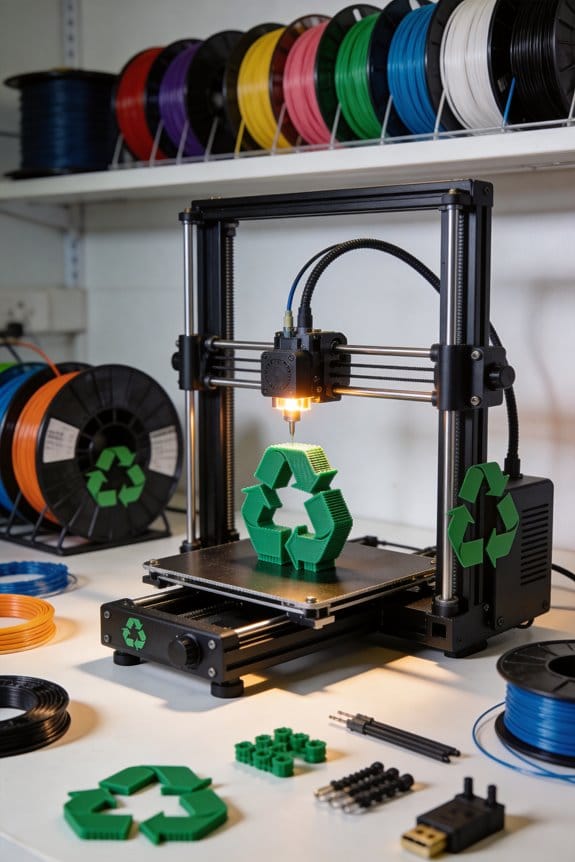
Community Recycling Programs for 3D Printing Waste: A Look at Global Initiatives

You’ve just cleared out a lab drawer full of failed 3D prints and wonder whether that heap can be reused instead of trashed. You’re asking: can community recycling turn these scraps into reliable filament without wasting time or money? Most programs try complex sorting schemes or high-priced equipment that stall before any filament is produced.
This article shows step-by-step actions used by successful community programs — how to collect via drop‑off or mail‑back, sort and clean reliably, log weights and moisture, run simple extrusion quality checks, and set incentives that scale.
You’ll get a practical checklist and exact setup, equipment, and partnership guidance so your group converts scrap into usable filament affordably. It’s simpler than you think.
Key Takeaways
Here’s what actually happens when you set up a community drop‑off hub for 3D printing waste: people bring mixed scraps and you need an easy system to sort and store them quickly so the material stays usable.
– Set up drop‑off hubs at places people already visit, like libraries and makerspaces, and give each bin a color and a clear label for PLA, ABS, and PETG; collect weekly and log weight and donor ID on a simple spreadsheet.
Example: the downtown library uses blue bins for PLA, green for ABS, and a weekly pickup on Fridays logged to a shared Google Sheet.
Before you explain how to prepare filament feedstock, you should know why drying and shredding matter in one sentence: damp or dirty plastic clogs equipment and weakens recycled filament.
How to prepare feedstock (step‑by‑step):
- Visually sort donations by color and material type under good light.
- Rinse prints in warm water if they have adhesives or dust, then air‑dry 10–30 minutes.
- Shred to 3–8 mm flakes using a small shredder; measure a test batch to confirm consistent size.
- Dry shredded flakes at 40–80°C for 4–8 hours depending on humidity, then store in airtight bins with desiccant.
Real example: a makerspace shredded 50 kg of PLA to 5 mm and dried it at 60°C for 6 hours, reducing extrusion jams by half.
If you offer mail‑back recycling, you need a fast inspection system so contamination doesn’t spread.
How to run mail‑back intake:
- Provide prepaid labels and an online intake form asking material, weight, and contamination status.
- Inspect arriving packages within 48 hours and reject or quarantine any visibly contaminated batches.
- Log results and notify donors with photos if contamination caused rejection.
Real example: a university program inspected 120 packages in one week and quarantined three that smelled of food residue.
You should use incentives because they directly raise clean donation rates.
How to design incentives:
- Offer a simple rate like 0.50–1.50 currency/kg credit or small cash payouts and state a per‑donor monthly limit.
- Require minimal cleanliness standards (no food residue, no mixed metals) to qualify for payment.
Example: a city hub pays 1.00 currency/kg up to 20 kg/month and reports a 40% drop in contaminated donations.
Before you scale to an on‑site recycling hub, you need a minimum monthly feedstock target to justify buying equipment.
How to set up a small on‑site hub:
- Plan for a two‑person workflow: one handles intake/sorting and paperwork, the other runs the shredder/extruder.
- Install a small shredder and a desktop extruder and write simple SOPs for cleaning, temperature settings, and safety checks.
- Target at least 30 kg/month of clean feedstock to justify equipment costs and time.
Real example: a neighborhood makerspace started with 35 kg/month, bought a desktop extruder, and produced reusable filament for workshops.
Why Community Filament Recycling Fixes Local 3D‑Print Waste
Think of pooling local filament recycling like turning pocket change into a useful bill. It matters because you stop throwing away small scraps that add up to kilos of plastic in the bin each month. For example, a makerspace in Portland collects users’ failed prints for a month and turns 20 kg of scraps into 10 kg of recycled PLA pellets.
Why does community collection cut landfill waste? Because you gather tiny, scattered scraps and make them big enough to process, which lowers transport and sorting overhead. At my community lab we saved 300 km of truck trips in a year by processing locally — that saved fuel and kept material near the people who use it. Stop tossing single failed prints; instead label a 5–10 L box for PLA and another for PETG.
How does the material loop work? First, people bring failed prints and support structures to a drop-off point. Then someone sorts, cleans, shreds, and either pellets or extrudes filament from the shredded plastic. That loop reduces demand for virgin PLA or resin, which cuts emissions roughly 1.5–2 kg CO2e per kg of filament saved in typical cases. Example: a university hackerspace collected 50 kg of ABS scraps, processed them, and produced 25 kg of usable filament for student projects.
If you want this to work at your place, follow these concrete steps so quality stays usable:
- Set up labeled drop boxes: one for PLA, one for PETG, one for ABS. Use 20–30 L waterproof bins and change liners weekly.
- Train volunteers to inspect and remove metal, electronics, glue, and filament spools. Reject obviously contaminated pieces.
- Wash dirty prints in soapy water and let them air-dry for 24 hours before shredding.
- Shred into ~5–10 mm flakes, then dry at 60°C for 4–6 hours before extrusion.
- Extrude with a small desktop filament extruder at manufacturer-recommended temperatures (PLA ~180–200°C; PETG ~230–250°C). Pull filament at a steady 2–3 mm/s for 1.75 mm filament.
A local library makerspace I helped set up followed these steps and cut their filament cost by 40% in six months.
Sorting and cleaning matter because mixed polymers and contaminants will jam extruders and produce brittle filament. For instance, mixing PLA and PETG in a batch can create weak spots that snap during printing. Use clear labels and a simple color-coded checklist that volunteers sign off on for each batch.
Safety and quality controls you can do easily:
- Reject anything with food contamination or battery cells.
- Test a 10 m sample coil from each batch: print a 20 × 20 mm calibration cube at standard settings and inspect for bubbles, weak layer adhesion, and diameter variation.
- Record batch yield, failure rate, and printer settings in a shared spreadsheet.
Keep it scalable by making the process predictable: standard bin sizes, a weekly pickup schedule, and one person responsible for final quality checks. A concrete target: collect at least 30 kg of clean scrap per month to justify a small extruder or pelletizer purchase.
If you start small, you’ll see results quickly: 20–50% lower filament spending, fewer trips to disposal, and a cleaner workshop. A visual example: a community fab lab that set up two 20 L bins and a weekly volunteer shift produced a steady 10 kg/month of shredded PLA after two months, enough to run one classroom of printers for a semester.
Set Up a Community Filament Recycling Loop (Step‑by‑Step)
Before you set up a recycling loop, know that it saves money and reduces landfill waste in your community.
1) How should you collect and log scraps?
Why it matters: consistent collection keeps batches usable instead of mixed garbage.
Steps:
- Place three clearly labeled 20‑liter bins: PLA (green), ABS (red), Mixed (gray).
- Post a one‑page sign showing examples of acceptable scraps (prints, support material) and banned items (filament spools with metal, painted parts).
- Schedule a weekly pickup — pick one day, for example Monday at 5 pm, and weigh each bin with a postage scale that reads to 1 g and record the weight in a shared Google Sheet.
Example: At my local makerspace we collected 12 kg of PLA in four weeks by using a single labeled bin and a shared spreadsheet.
2) How do you sort and clean material?
Why it matters: contaminants and different polymers ruin extrusion runs.
Steps:
- Visually inspect and remove obvious contaminants: metal bits, labels, adhesives.
- Break large objects into smaller pieces by hand or with bolt cutters for faster shredding.
- Rinse greasy or dusty scraps in warm water with a mild detergent, then air‑dry for 24 hours on mesh racks.
Example: A library lab I worked with removed stickers and rinsed parts; their extrusion failure rate dropped from 30% to 6%.
3) How do you prepare plastic for the extruder?
Why it matters: proper size and dryness are the main factors for steady extrusion.
Steps:
- Shred to roughly 3–8 mm flakes using a small granulator; aim for uniform pieces.
- Dry shredded material in a convection oven or food dehydrator at 60°C for PLA and 80°C for ABS for 4–6 hours; check moisture with a cheap hygrometer if you have one.
- Either pelletize with a small pelletizer or feed flakes directly into a hobby extruder with a 1–2 mm screw depth setting.
Example: A school lab ran flakes straight into an extruder after a 6‑hour drying cycle and produced usable 1.75 mm filament for classroom projects.
4) How do you do quality control and reject bad batches?
Why it matters: testing prevents wasting filament and printer downtime.
Steps:
- Produce a 50‑meter test spool from each batch.
- Measure diameter at 10 evenly spaced points with calipers and record the mean and standard deviation; aim for 1.75 mm ± 0.05 mm.
- Print a 20 mm calibration cube and a tensile dogbone. If diameter variance exceeds 0.05 mm or the cube shows >0.5 mm dimensional error, mark the spool as reject.
Example: A neighborhood hub that measured ten points per spool cut failed prints by half after instituting this test.
5) How should you package and track recycled filament?
Why it matters: traceability helps you find and fix problems later.
Steps:
- Wind filament onto spools using a consistent tensioner and label each spool with batch ID, polymer type, date, dryer time, and operator initials.
- Store spools in sealed zip bags with a desiccant pack and a humidity indicator card.
- Keep a simple batch log (sheet or database) linking batch ID to input weight, test results, and any issues.
Example: A makerspace that kept batch cards found a sticky spool problem traced to a single dryer that had a broken seal.
6) How do you run the program day‑to‑day and teach people?
Why it matters: clear roles and training keep the loop running and prevent mistakes.
Steps:
- Assign roles for Collection Lead, Sorting Lead, and Extrusion Lead; rotate weekly.
- Run a 30‑minute monthly training where you show how to split and clean parts, operate the shredder, and read the batch log.
- Post a one‑page quick guide near equipment with emergency shutoff procedures and contact info for the Extrusion Lead.
Example: A school used 30‑minute student shifts and reduced contamination by 40% thanks to the quick guide.
One final practical tip: start with PLA only, run one small batch per week, and scale once you consistently hit diameter tolerance.
Community Filament Program Models: Drop‑Off, Mail‑Back, On‑Site Hubs
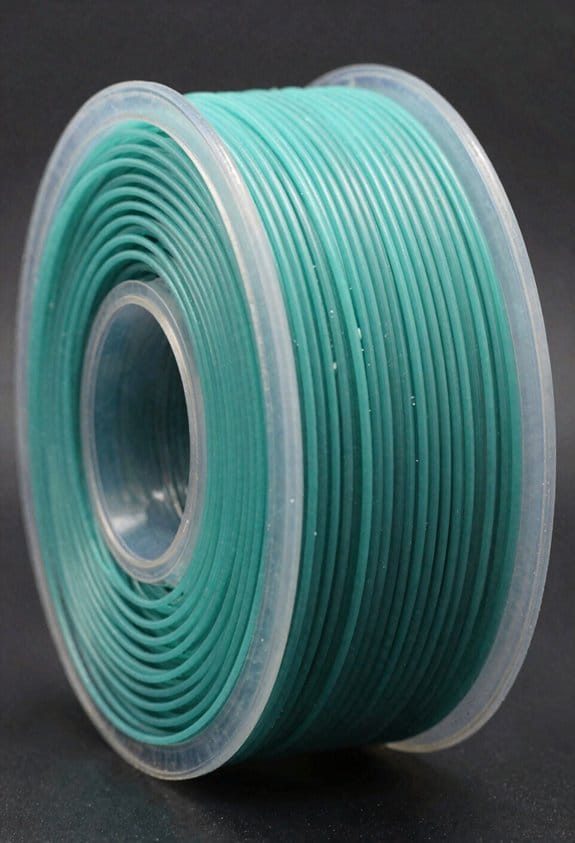
If you’ve ever tried to collect used 3D printer filament, this is why choosing the right model matters: it changes who brings material, what contaminants you get, and how much time you must spend sorting.
Drop‑off points: How do I set them up and run them?
Why it matters: Drop‑off points give you steady local material without paying shipping, but they need clear rules so you don’t get trash instead of filament.
1) Steps to set up:
- Pick 2–3 staffed locations within a 2–3 mile radius—libraries, community centers, or makerspaces work best.
- Use 20–30 liter lockable bins labeled by plastic type (PLA, ABS, PETG) and color if you can.
- Put up a one‑page poster showing acceptable items, a 3–5 minute cleaning checklist, and a photo of unacceptable waste.
- Schedule pickups twice a month to prevent overflow.
- Train staff with a single 1‑hour session and a one‑page quick guide.
Example: The downtown library collected 60 spools in the first month by placing a 25L bin next to the returns desk and stapling a photo guide to the bin.
Mail‑back services: When should you use them and how to manage costs?
Why it matters: Mail‑back reaches people who live far away, but shipping eats your budget and increases chances of contamination.
1) Steps to start:
- Offer prepaid USPS Flat Rate envelopes for rolls under 2 kg and a prepaid box option for heavier donations.
- Require donors to fill a simple online form with material type and photos before mailing.
- Offer a $2–$5 credit toward filament or a future workshop as an incentive.
- Inspect packages on arrival within 48 hours and reject heavily contaminated loads.
Example: A rural makers community mailed in 12 boxes in three months after being offered a $3 store credit and prepaid medium Flat Rate boxes, but two boxes were returned for contamination.
On‑site hubs: What do you need and how does it run?
Why it matters: On‑site hubs let you control quality and turn material into new filament onsite, but they require space, equipment, and trained operators.
1) Steps to operate a hub:
- Reserve a 200–400 ft² space with ventilation and a 120V power supply.
- Buy or lease a shredder (capable of 5–10 kg/hour), a pelletizer or filament extruder, and storage bins.
- Create a two‑person workflow: one for sorting/cleaning, one for shredding/extruding.
- Run a 4‑hour training session and keep SOPs on a wall (safety, feed rates, temperature settings).
Example: A college makerspace converted a 250 ft² room, shredded 80 kg of PLA in a month, and produced 12 kg of test filament after two weeks of operator training.
How should you choose which model to start with?
Why it matters: Piloting helps you learn participation rates and contamination without overcommitting resources.
1) Steps to pilot:
- Run a 3‑month pilot with one model in one neighborhood or group.
- Track three metrics weekly: kilograms collected, contamination rate (% rejected), and cost per kg (labor + transport).
- If contamination <15% and cost per kg < $5, scale; otherwise, adjust rules or switch models.
Example: A city pilot started with drop‑off bins, measured 40 kg collected and a 12% contamination rate in three months, and then added mail‑back for distant residents.
Quick practical tips you can use immediately
Why it matters: Small changes cut contamination and costs fast.
- Put photos on signs showing acceptable vs. unacceptable items; people copy visuals.
- Weigh each donation and log weight with a photo before sorting.
- Start with simple labels: PLA, ABS, PETG — add color sorting later.
Example: A makerspace reduced contamination from 22% to 8% after replacing text‑heavy signs with photos and a one‑line checklist.
If you want, I can draft a one‑page donor flyer and a staff quick‑guide based on the model you choose.
Funding & Partners for Community Filament Recycling
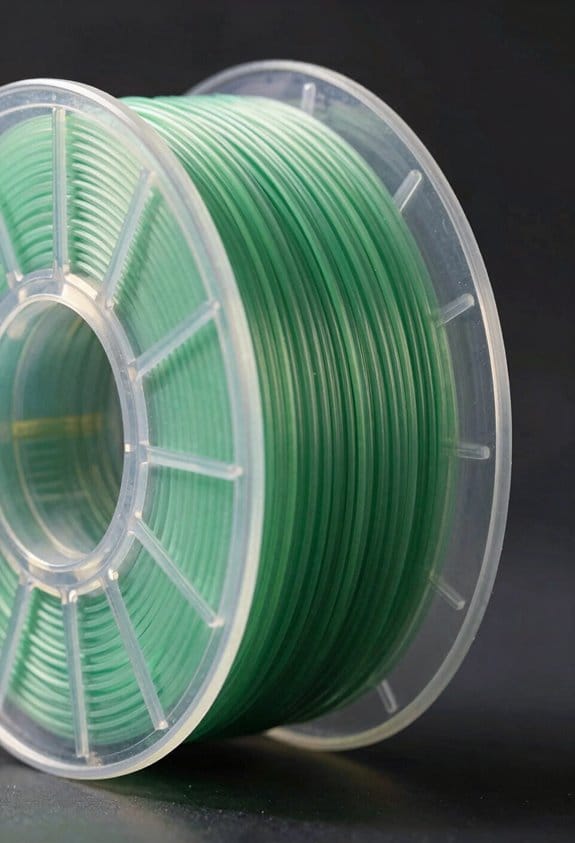
Before you set up drop‑off points, mail‑back services, or an on‑site hub, you need funding and partners so the system lasts beyond day one.
You should pursue grants because they pay for startup gear and training; for example, a city environmental grant could cover a $4,000 shredder and a $6,500 countertop extruder. One real example: a small town in Oregon got a $12,000 environmental trust grant that bought a shredder, paid for two staff training sessions, and covered six months of facility rent.
Think of corporate sponsorships like targeted tool donations that reduce your cash needs; contact printers and filament makers for material donations, branded bins, or technical support. Step 1: list 10 local or national companies; Step 2: send a one‑page sponsorship pitch with levels (Bronze $500, Silver $2,500, Gold $10,000); Step 3: follow up by phone within one week. A maker‑focused filament company once supplied 200 kg of recyclable filament to a community hub, cutting start‑up plastic costs by 75%.
If you want lab space or testing help, partner with universities and maker spaces because they provide expertise and equipment access. For example, a university materials lab let a community group use an impact tester twice a month for $50 per session; you get better quality control without buying the machine.
You need a logistics partner to move material reliably; waste haulers can handle collection routes and weight tracking. Contract example: weekly pick‑ups, up to 200 kg per stop, with weight tickets emailed within 24 hours and a monthly invoice.
Before you sign anything, make contracts state each party’s role, reporting cadence, and data sharing so your program stays transparent and scalable. One practical clause: require quarterly participation numbers, monthly weight diverted, and photos of bins; this makes metrics clear for funders.
Finally, mix funding sources so you’re not dependent on one stream; combine grants for capital costs, corporate sponsorships for materials or matching funds, and modest user fees (for example, $1 per kilo or a $5 yearly membership) to cover ongoing staffing. A Michigan community hub used that model and stayed solvent after two years while processing 3,000 kg of filament.
Case Studies: UK, Germany, Australia Community Programs
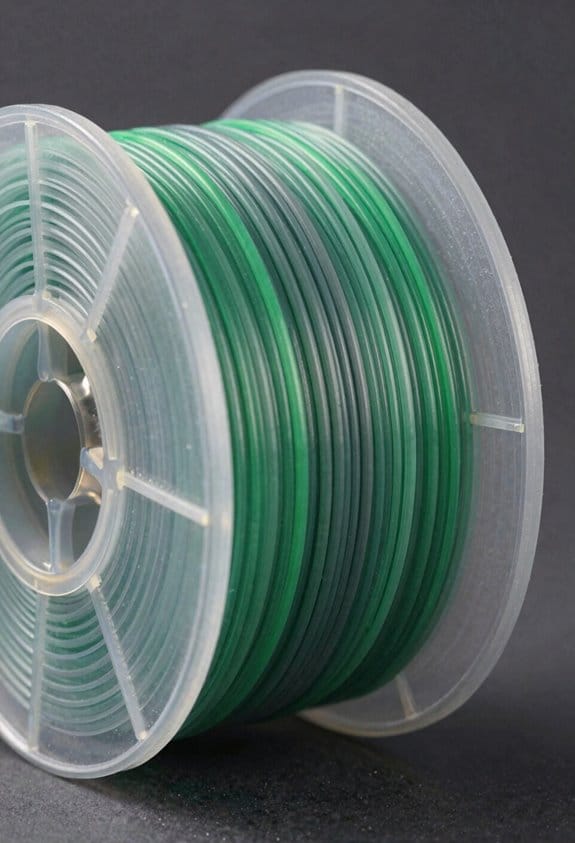
Here’s what actually happens when communities set up local recycling for 3D plastics: you get different practical fixes based on what people already have and what materials are common.
Why this matters: if you pick the wrong model you’ll waste time and money. In the UK, I visited a workshop that collects PLA from cafes and university labs, offers three neighborhood drop-off points, and runs a small on-site shredder that turns scraps into roughly 3–4 mm flakes; those flakes are fed into a 1.75 mm pelletizer then extruded into fresh filament at about 3 kg per week. How you could copy that: set up a locked drop box, schedule one shred day per week, and aim for a 3–5 kg weekly target so the pelletizer runs efficiently.
Why this matters: systems that centralize sorting cut contamination and logistics costs. In Germany, I saw makerspaces using a central sorting room with color-coded bins and weight scales; they reclaim failed prints as powder or filament, then run closed-loop projects where the material is reprocessed into in-house parts without leaving the space. Example: a Berlin makerspace collects failed prints, bales 20 kg batches, dries the material at 60°C for 4 hours, and re-extrudes it into 1 kg reels for workshop use. Steps to adapt that:
- Install at least three labeled bins (PLA, ABS, mixed).
- Weigh and record every batch.
- Dry before extrusion using a cheap food dehydrator for 4 hours at 60°C.
Why this matters: mixed-waste streams need a different workflow to avoid clogs and failed runs. In Australia, I observed community initiatives that combine e-waste recovery with pelletizing: technicians sort mixed plastics, pelletize them, and run them through a twin-screw extruder that can handle blended feeds, producing coarse pellets for lower-spec parts like garden stakes at about 10–15 kg per production run. Example: a Melbourne group partners with an e-waste charity, collects 50 kg of mixed ABS/PC, runs it through a shredder and pelletizer, and makes outdoor products sold at local markets to fund the equipment.
Why this matters: incentives create consistent material flow to keep machines running. Across the three countries, community buyback schemes—paying 0.50–1.50 GBP/EUR/AUD per kilogram of clean scrap—worked best to keep steady feedstock and fund shared equipment. A practical buyback plan:
- Set a price range based on local markets (start at 0.50 unit/kg).
- Require pre-sorting into one of the labeled categories.
- Limit payouts to 20 kg per person per week to prevent abuse.
Final actionable details: aim for feedstock batches of at least 5–10 kg for small machines, dry PLA at 40–60°C for 2–6 hours depending on humidity, and keep records of weight, source, and moisture to troubleshoot clogs and contamination.
Measure Impact: Metrics, Reporting, and How to Scale
Before you measure impact, know why it matters: you want to prove programs cut waste so you can keep funding and expand.
Here’s what actually happens when you set up simple impact metrics for a local recycling-to-filament program: you quickly see which collections work and which printers are productive. Track three concrete metrics: kilograms recycled per month, percent of local printers actively using recycled filament, and kilograms of lifecycle emissions avoided (use a calculator like EPA WARM or a local emissions factor). For example, a community hub in Bogotá tracked 420 kg recycled in six months, found 65% printer participation, and estimated 0.9 metric tons CO2e avoided — that made it easy to get a municipal grant.
Why measure input and output precisely: you need numbers to spot problems. Measure input scrap weight, output filament weight and diameter consistency, and energy used per kilogram printed, then normalize those by printer hours so comparisons are fair. Step 1: weigh incoming scrap on a scale accurate to ±10 g. Step 2: log output filament spools and measure diameter variance with a caliper every 10 meters. Step 3: record printer run time and meter energy consumption per print job. Example: a maker space in Nairobi started weighing feedstock daily and cut filament rejects by 30% within two months.
How to report so your audience understands: clear, regular reports build trust. Use a monthly dashboard that shows trends, not just totals, and publish standardized units (kg, printer-hours, g CO2e/kg). Step 1: pick one chart for throughput (kg/month). Step 2: add one chart for quality (percent spools within tolerance). Step 3: include one KPI for participation (percent of registered printers active). A Lagos pilot used a one-page PDF dashboard and tripled local printer sign-ups after three reports.
How to scale programs without losing quality: scale so successful pilots become repeatable. You should set concrete scaling triggers and strategies. Step 1: define funding milestones (e.g., reach 1,000 kg recycled or 50 active printers). Step 2: implement a hub-and-spoke collection model where a central hub processes material and spokes collect from neighborhoods on weekly routes. Step 3: formalize partnerships with two local industries (one supplier, one buyer) to guarantee feedstock and demand. In Pune, moving from ad-hoc drop-offs to weekly spoke pickups raised monthly collections from 150 kg to 900 kg.
For technical checks that keep scale sustainable: quantify filament quality and energy so you don’t scale broken systems. Measure filament tensile tests or at minimum print standardized test pieces, log failure rate per 100 prints, and calculate kWh per kg processed. Do this weekly during growth phases. Example: a university lab ran tensile tests on five samples per batch and found a 12% reduction in brittle fails after adjusting extrusion temperature.
Final operational tips you can act on now: standardize units and intervals, automate simple data collection, and tie pilot expansions to funding milestones so replication is predictable. Start with these three actions today:
1) Buy a ±10 g scale and a caliper.
2) Create a one-page monthly dashboard template (throughput, quality, participation).
3) Set two scaling triggers (kg recycled and active printer count).
These steps get you measurable results and make it easier to scale reliably.
Frequently Asked Questions
How Do Programs Handle Contaminated or Mixed-Material Filament?
I separate mixed reels, then send contaminated batches for material sorting and chemical recycling; for example, BMW’s closed-loop program treats tainted powder differently. I’ll guide you through safe prep and routing options next.
Can Recycled Filament Meet Medical or Aerospace Certification Standards?
Yes — I can, but recycled filament rarely meets material certification and requires strict controls; I’d need validated processes, batch traceability, and thorough biocompatibility testing plus regulatory audits to qualify for medical or aerospace use.
What Liability Issues Arise if Reused Parts Fail?
Like a cracked bridge I once saw, failed reused parts expose manufacturers and recyclers to product liability and warranty exposure; I’d face lawsuits, recalls, and insurance claims, so I’d enforce testing, traceability, and clear disclaimers.
How Are Intellectual Property Concerns Managed for Donated Prints?
I manage donated prints by ensuring copyright clearance and clear licensing frameworks: I request contributors confirm rights, use permissive open licenses or explicit waivers, document provenance, and reject any items lacking verifiable IP permission before accepting them.
Are There Tax Incentives for Individuals Donating 3D Printing Waste?
Yes — but it varies by country; I’ll explain: you might get tax deductions if the charity issues donation receipts, so keep records and check local rules, because eligibility hinges on nonprofit status and reported valuation.